Hawaii’s proposed RISE bond plan is being sold as a fix for infrastructure and affordable housing, but the bigger economic issue is who actually captures the benefit: developers, not the households supposed to get relief. If the tax savings flow into project economics rather than directly into rents or mortgage payments, the program risks raising land values and protecting margins instead of making homes meaningfully cheaper.
Hawaii RISE bond plan may aid developers
That matters because housing affordability is ultimately a cash-flow problem. Families do not live in bond structures; they live with monthly payments. A program that trims financing costs at the development level can still leave sale prices and rents largely untouched if there is no mechanism to pass those savings through to buyers or tenants. In that case, the public subsidy becomes just another way to support private project profits.
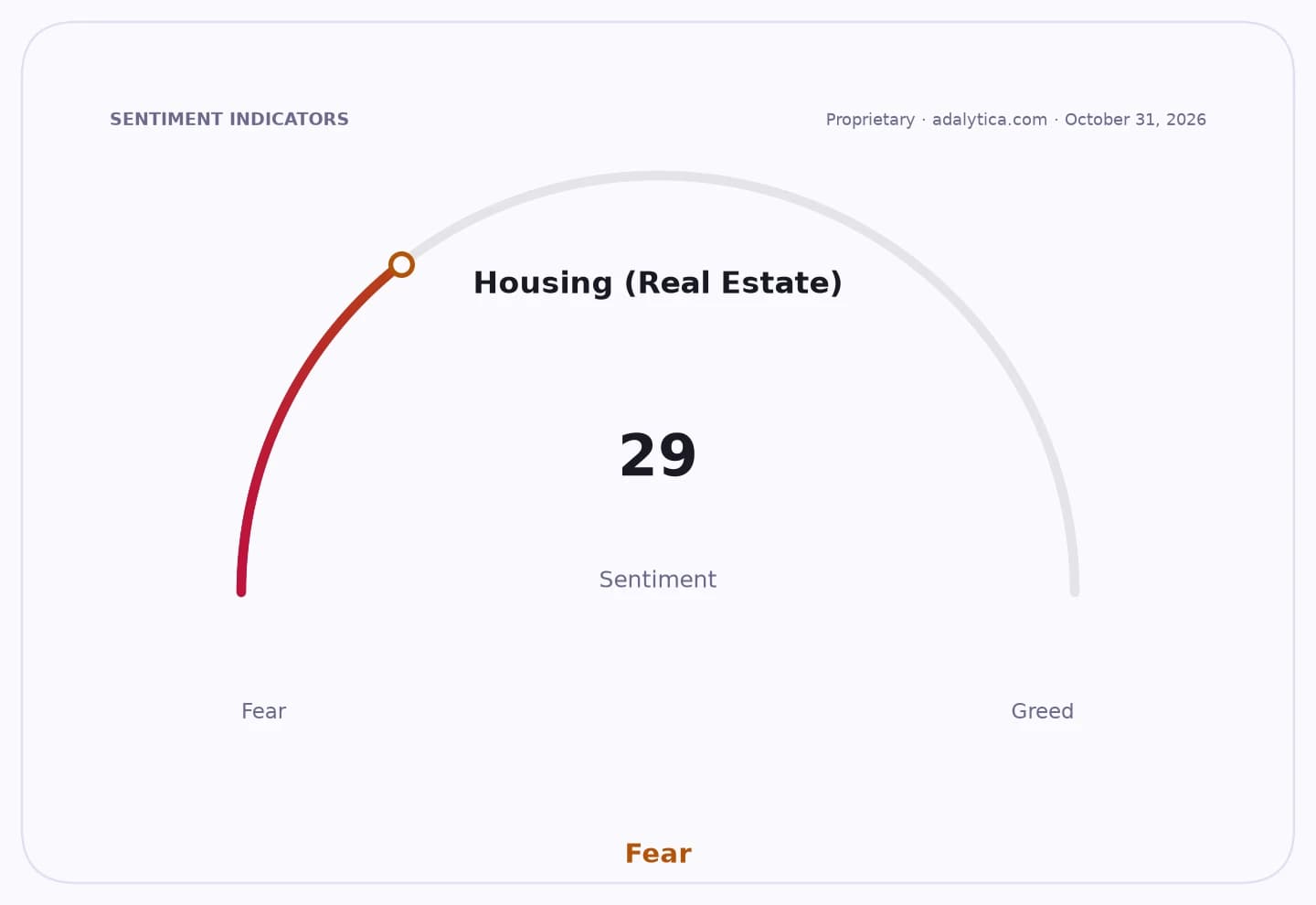
Sentiment Indicators
The criticism is especially relevant in a market like Hawaii, where land is scarce and construction costs are already elevated. When a policy lowers financing friction, sellers and developers often have room to capture much of the gain through higher land prices. That is why the core design of the program matters more than the headline promise. A subsidy without guardrails can inflate asset values without easing the burden on the people the policy is meant to help.
For investors, the story is a reminder that public-policy housing schemes often move value around rather than create it from scratch. Developers, landowners and financing partners can be the winners if the structure is loose. Renters, first-time buyers and taxpayers are the ones at risk if the benefit is not tied to occupancy or end-user affordability. Municipal bond investors should also pay attention: programs that rely on complex repayment assumptions and indirect social goals can be politically appealing, but they do not automatically produce clean, trackable economics.
The broader backdrop is a higher-rate world that is already putting pressure on borrowing costs and on the funding models behind public projects. That makes simple, transparent structures more valuable than ever. Bonds can help finance infrastructure, but if the policy goal is affordability, the subsidy has to land where the monthly bill is paid.
For long-term investors, the takeaway is straightforward: watch for housing programs that deliver measurable relief to end users, not just to project sponsors. When a proposal can prove that savings reduce rent or purchase costs directly, it deserves more credit. If not, it is worth treating as a developer-friendly policy dressed up as affordability.
| Entity | Gains | Losses |
|---|---|---|
| Developers | ▲Lower financing costs | ▼Less scrutiny if savings aren’t passed through |
| Buyers/Tenants | ▲Direct subsidies tied to payments | ▼Little or no relief under current structure |
| Hawaii taxpayers | ▲Potential new housing activity | ▼Risk of subsidizing private profit |
| RISE bond program | ▲Political support from housing advocates | ▼Credibility if affordability doesn’t improve |