Walmart is heading into the holiday season with a growth story that investors cannot ignore: its U.S. e-commerce sales jumped 23% in the latest quarter, a pace far faster than Amazon’s 2% increase in online sales.
Walmart U.S. e-commerce sales rise 23% in quarter
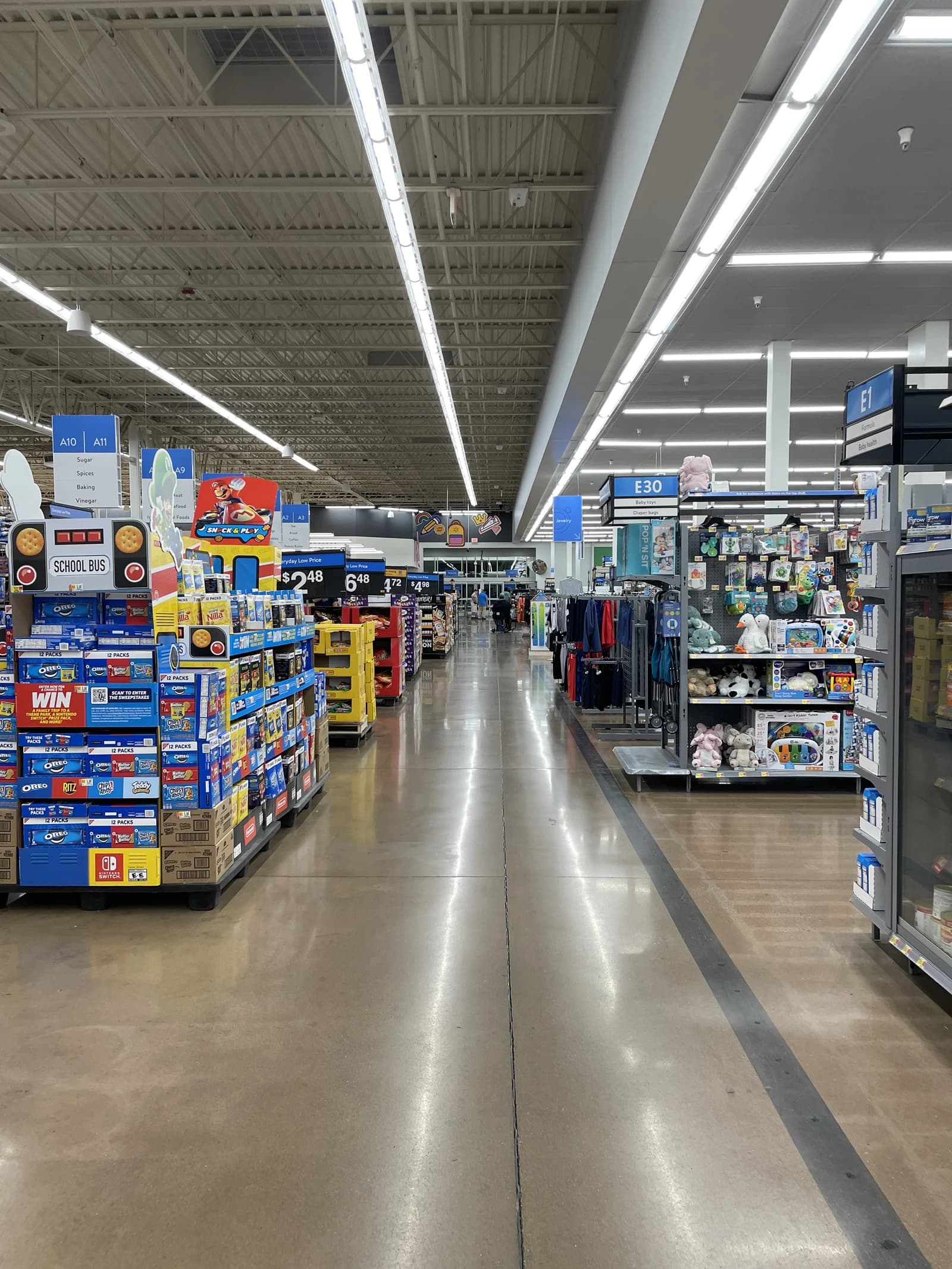
That gap matters because the holiday quarter is the biggest test for retail execution, and Walmart’s scale gives it a rare edge. With 5,700 U.S. stores functioning as pickup points and local distribution hubs, the company can blend in-store inventory, fast delivery and curbside fulfillment in a way pure e-commerce rivals cannot match.
Sentiment Indicators
The contrast with Amazon is sharp. Amazon still dominates U.S. e-commerce with more than 40% share, but Walmart has been taking share from smaller competitors, moving from 6.7% to 9.2% in the latest Statista study. Amazon’s e-commerce growth has also been comparatively muted as the company leans more heavily on AWS for expansion.
For Walmart investors, the key issue is whether that digital momentum carries into the November third-quarter report and the holiday rush. The stock has already been bid up, and technicals show the shares above the 50-day and 200-day moving averages, with the RSI in overbought territory, suggesting the market is pricing in a strong run of results.
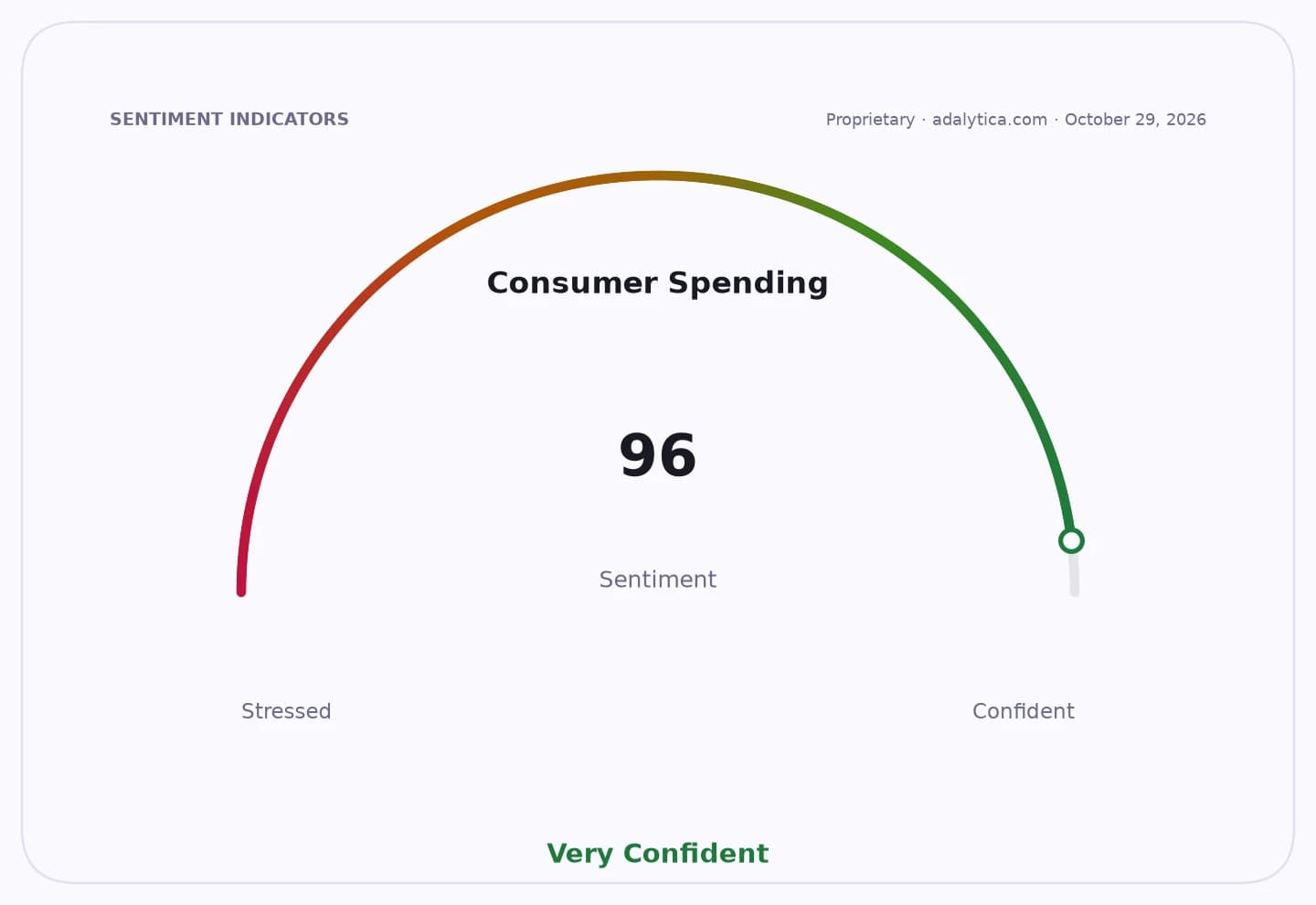
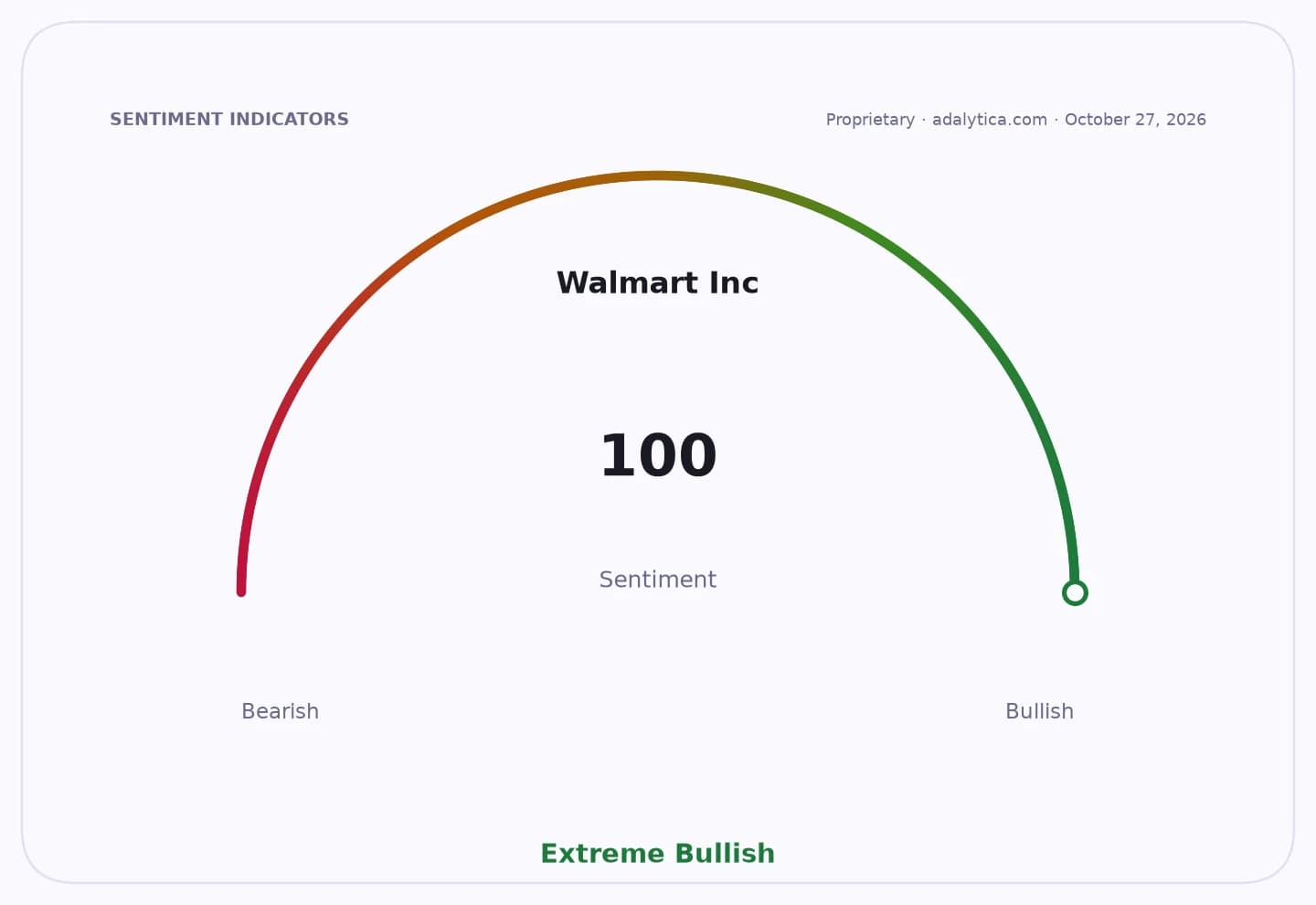
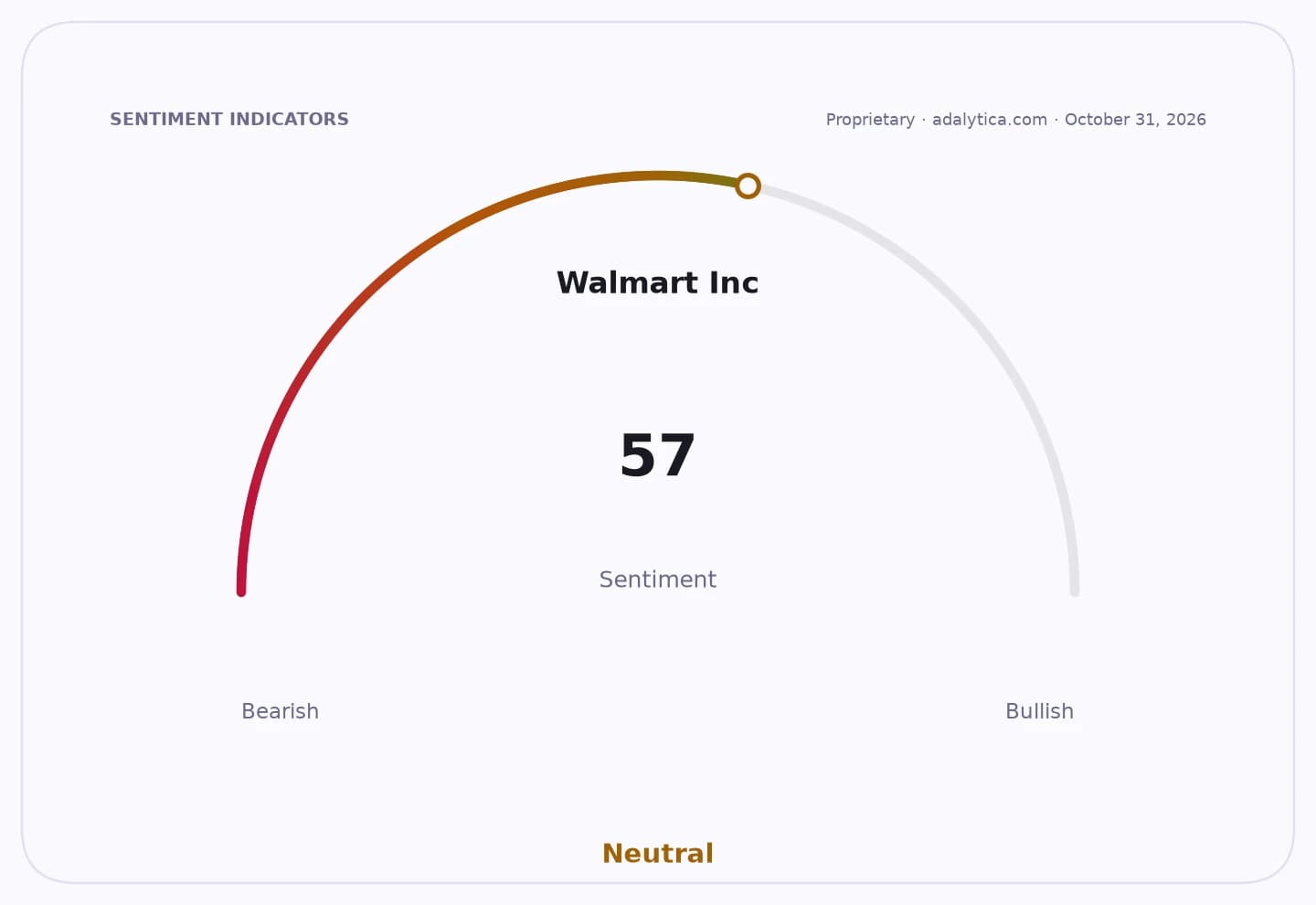
Macro conditions are also working in Walmart’s favor. U.S. unemployment is running near 4.2%, while consumer spending remains elevated even as inflation stays sticky, which tends to favor value retailers when shoppers trade down for groceries and essentials. Adalytica’s Walmart earnings sentiment is neutral, but awareness is elevated, reflecting rising investor attention into the print.
The bigger narrative is simple: Walmart is no longer just a defensive grocery and discount stock. It is becoming a legitimate holiday e-commerce winner, and the next earnings report will show whether it can keep converting store traffic, digital engagement and value-seeking consumers into market share gains.
| Entity | Gains | Losses |
|---|---|---|
| Walmart | ▲Holiday e-commerce share gains | ▼Smaller online retailers |
| Amazon | ▲AWS-led growth mix | ▼Online-sales momentum |
| Value shoppers | ▲Pickup, fast delivery, lower prices | ▼Full-price retailers |
| Target and peers | ▲Holiday category demand | ▼Market share to Walmart |