Artificial intelligence is moving from a sustainability theme to a hard-nosed operating tool in waste management, where lower collection costs, better sorting and higher recycling yields could reshape margins for large operators such as Waste Management and Republic Services.
Waste Management AI can cut costs and boost recycling
That matters because the industry is confronting a rising volume and complexity of waste at the same time governments are tightening diversion rules and customers are demanding more recovery. The source material points to 3.4 billion tonnes of waste expected by 2050, a scale that makes manual and route-based systems increasingly expensive to run. AI offers a way to collect only when bins are full, cut truck mileage and emissions, and improve the economics of separating mixed waste streams before they reach landfills.
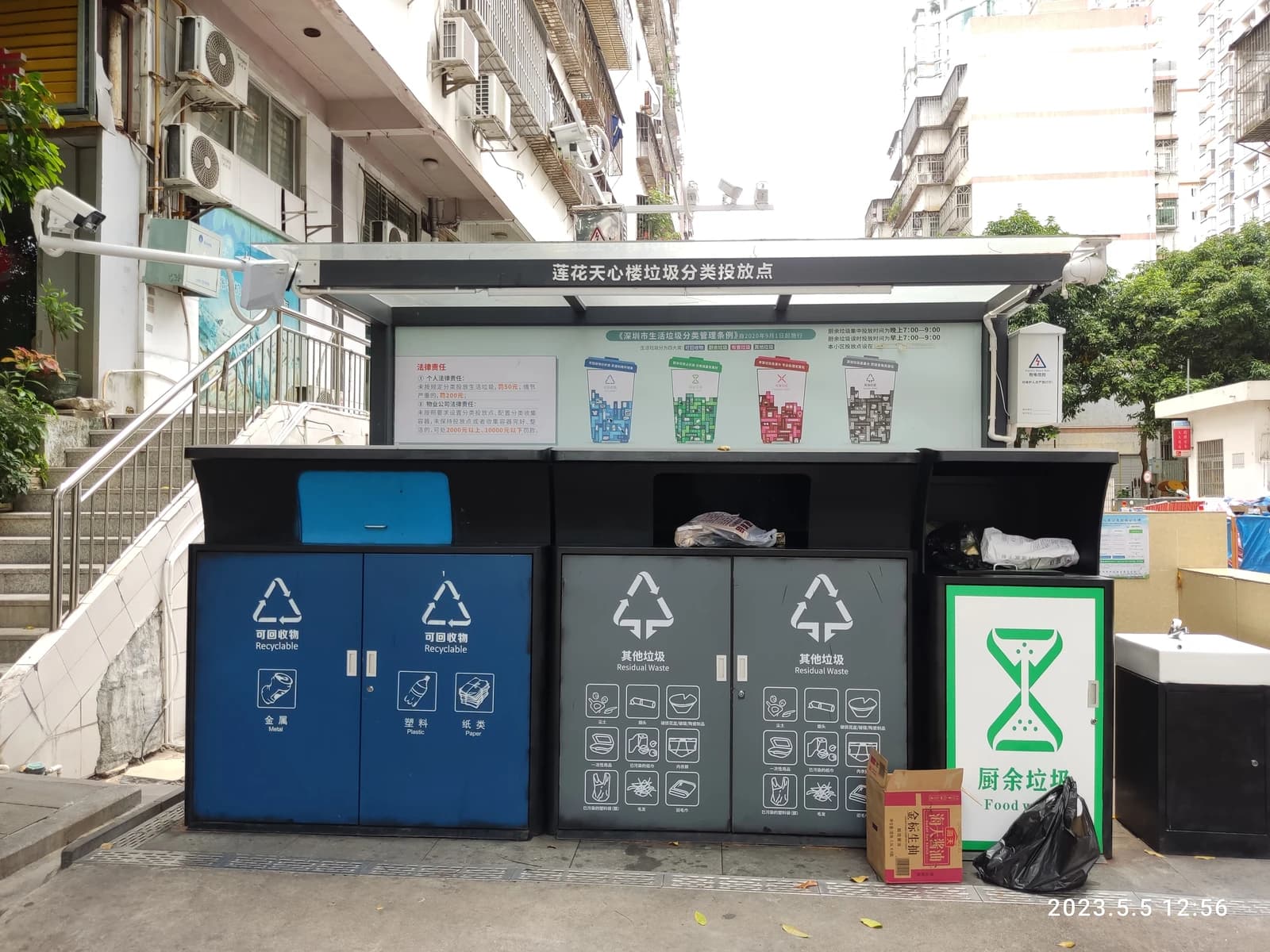
The biggest payoff is in sorting. AI-enabled vision systems and robotic arms can identify and separate material faster than older recycling lines, reducing contamination that has long eroded returns in single-stream recycling. AMP Robotics, cited in the source, says its system can pick up as many as 80 items a minute, while smaller-format products such as Trashbot are bringing the same logic to offices, campuses and other distributed settings. For operators, that can mean less labor intensity, fewer mis-sorted loads and better recovery rates on plastics, municipal solid waste, construction debris and commercial waste.
For investors, the story is less about a futuristic upgrade than about incremental margin expansion in a capital-intensive sector. WM and RSG both trade with the profile of defensive infrastructure names, but recent price action suggests the market is also rewarding operational efficiency and a clearer sustainability mix. Waste Management’s shares have climbed above its 200-day moving average and were last around $211.83, while Republic Services has held near $219.91, also above its long-term average. Both stocks have recovered from earlier pullbacks, reflecting confidence that technology-led productivity gains can support earnings even if recycling economics remain cyclical.
The bullish case is straightforward: AI can help waste companies do more with the same asset base, which is powerful in a business where route density, labor costs and disposal pricing drive returns. The bearish case is that these systems remain expensive to deploy, benefits may take time to scale, and recycled commodity prices can still overwhelm efficiency gains. Republic, for example, has disclosed sensitivity to recycled commodity pricing, underlining how much the business still depends on external markets.
Even so, the direction of travel is clear. The next competitive edge in waste management is likely to come not just from owning landfills and transfer stations, but from using AI to turn trash into measurable, recoverable material faster and at lower cost. That should favor operators that can modernize sorting networks first, while pressuring smaller players that lack the balance sheet or technology stack to keep up.
| Entity | Gains | Losses |
|---|---|---|
| WM | ▲Lower collection costs | ▼Legacy routing models |
| RSG | ▲Better recycling economics | ▼Commodity-price volatility |
| AI vendors | ▲New industrial demand | ▼Manual sorting labor |
| Municipalities | ▲Higher diversion rates | ▼Inefficient waste systems |