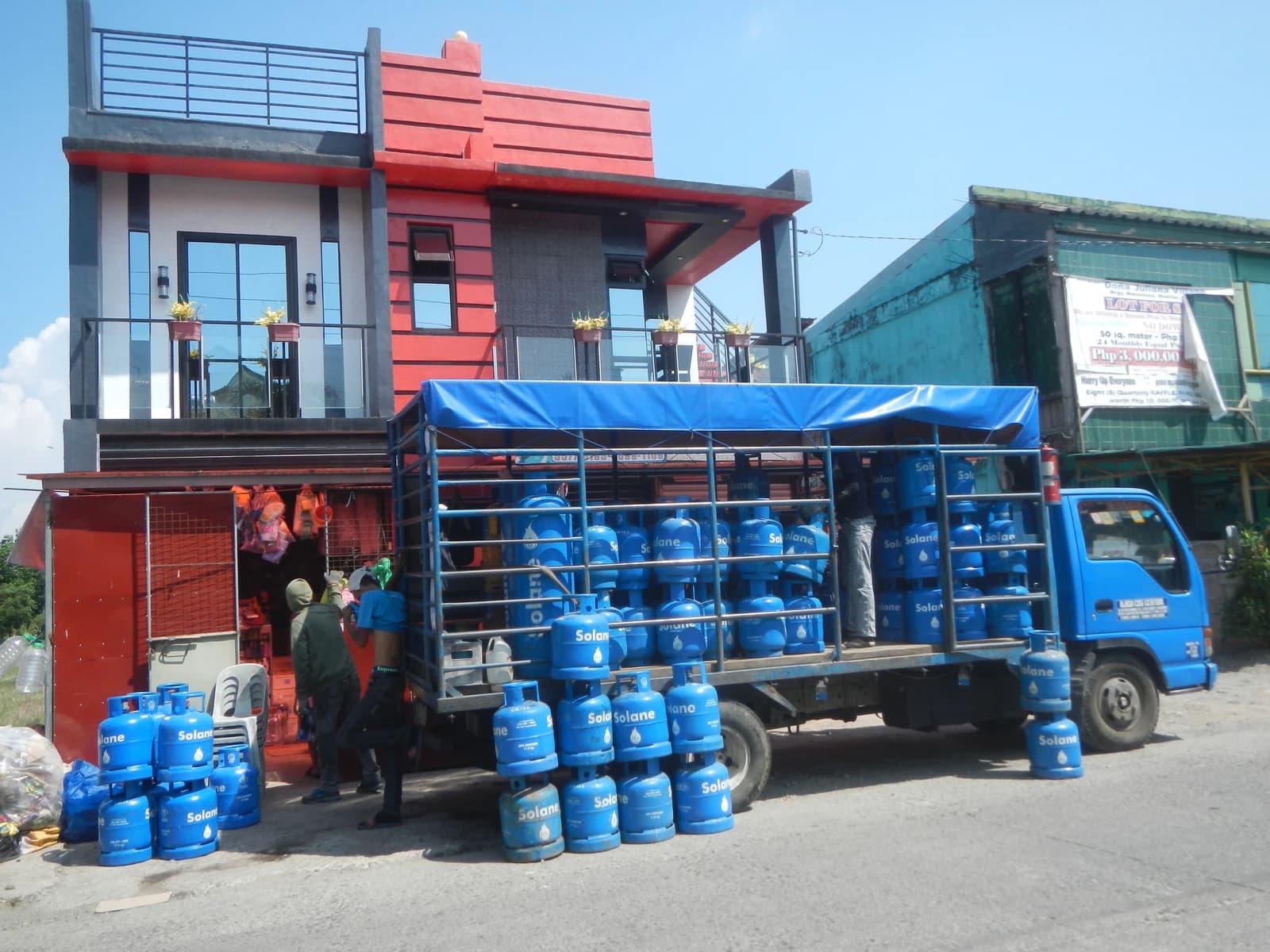
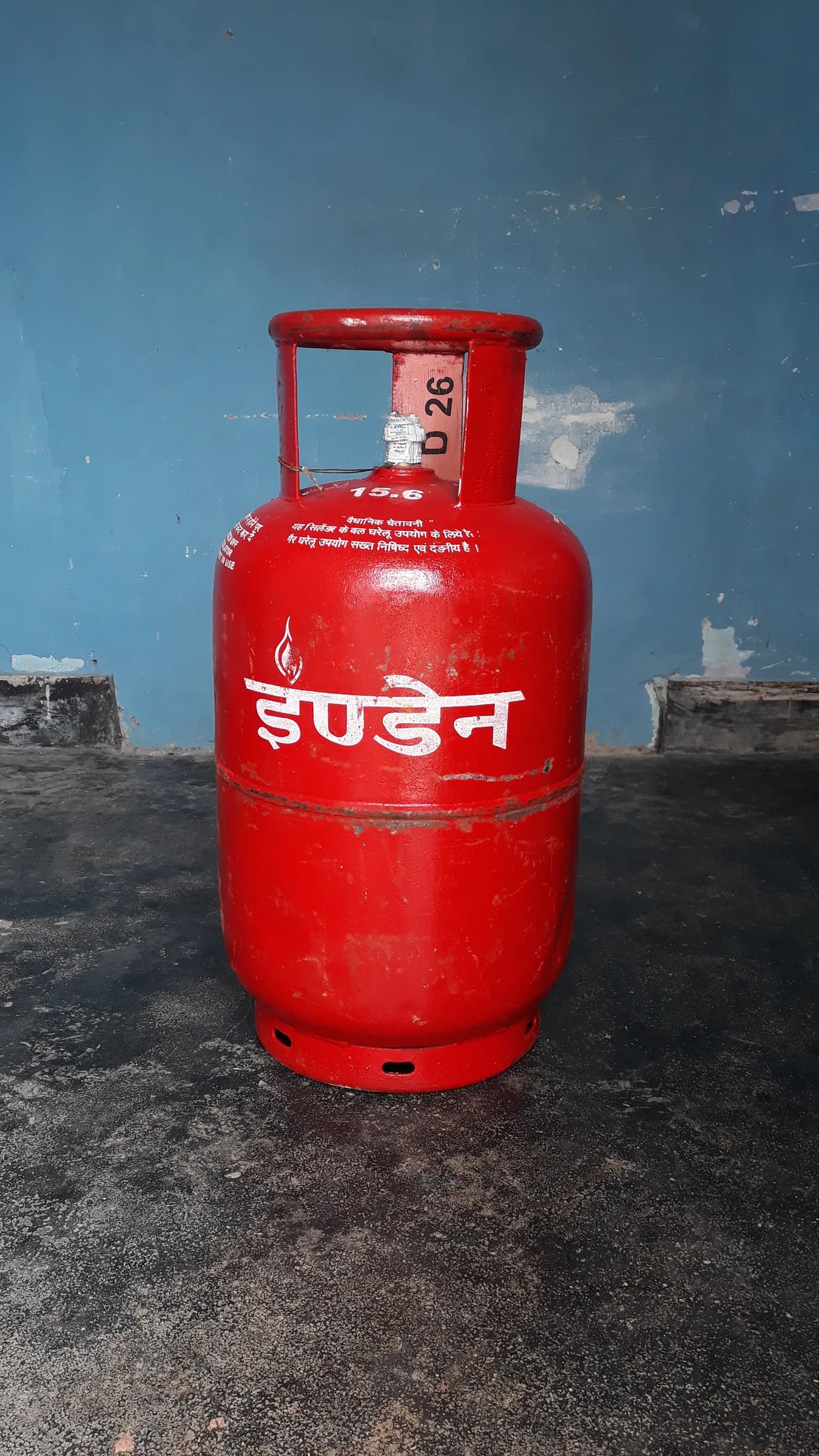
West Africa’s liquefied petroleum gas industry is turning its focus to the safety of domestic gas bottles, a priority that could shape how quickly the fuel expands as a cleaner cooking option across the region.
West Africa LPG Industry Focuses on Cylinder Safety
At the 7th West African LPG Show in Abidjan, officials, operators, investors and experts spent two days debating how to strengthen safety standards across the supply chain, from distribution to household use, according to a note from the Information Agency of Côte d’Ivoire. The meeting, held Sept. 2-3 under the patronage of the Ministry of Mines, Oil and Energy, also addressed the long-term growth prospects of the LPG sector and the barriers it still faces.
Sentiment IndicatorsⓘProprietary · adalytica.com · September 5, 2026
This is a snapshot — live sentiment, awareness and momentum for 130+ markets update continuously in the dashboard.Open AlphaPulse
For governments, the issue is more than consumer protection. LPG is central to efforts to reduce reliance on firewood and charcoal, improve indoor air quality and widen access to cleaner cooking, but recurring safety concerns can slow adoption, raise compliance costs and force tighter oversight. Any loss of public confidence would matter in a market that needs scale, private capital and stable regulation to keep expanding.
CORLAY Côte d’Ivoire Managing Director Alassane Ouattara participated in two panels, including one on the future of LPG in West Africa and another focused on domestic cylinder safety, good practices and consumer trust. The discussions emphasized the need for stronger information campaigns so households understand how to store, transport and use gas bottles safely.
The conference also served as a venue for public authorities, investors and sector operators to discuss the outlook for LPG in West Africa, where growth depends on both infrastructure buildout and a broader safety culture. For investors in fuel distribution, cylinder logistics and related energy services, stronger safety standards could support demand over time, but they also raise the bar for compliance and operating discipline.
The next test will be whether the industry can pair faster LPG adoption with stricter consumer education and enforcement, as policymakers in Côte d’Ivoire and neighboring countries weigh clean-cooking expansion against the reputational and operational risks of accidents.
| Entity | Gains | Losses |
|---|---|---|
| LPG distributors | ▲Higher trust, broader adoption | ▼Higher compliance costs |
| Households | ▲Safer cylinder use, cleaner cooking access | ▼More rules, possible price pass-through |
| Regulators | ▲Stronger oversight, fewer accidents | ▼Pressure to enforce standards |
| Investors in LPG | ▲Long-term market growth | ▼Short-term safety-related costs |