Westpac New Zealand is lowering its advertised two-year fixed home loan rate even as it lifts most other mortgage and term deposit rates, underscoring how a jump in wholesale funding costs is reshaping borrowing prices for households.
Westpac NZ cuts 2-year mortgage rate to 5.29%
The bank said its special two-year fixed rate will fall 16 basis points to 5.29% from Monday, making it the lowest advertised two-year rate among New Zealand’s five biggest banks. But longer-dated borrowing is moving higher: the six-month special rate rises to 4.89%, the one-year rate to 5.19%, the 18-month rate to 5.45% and the three-year rate to 5.59%. Four- and five-year fixed rates will increase to 5.65% and 5.75%.
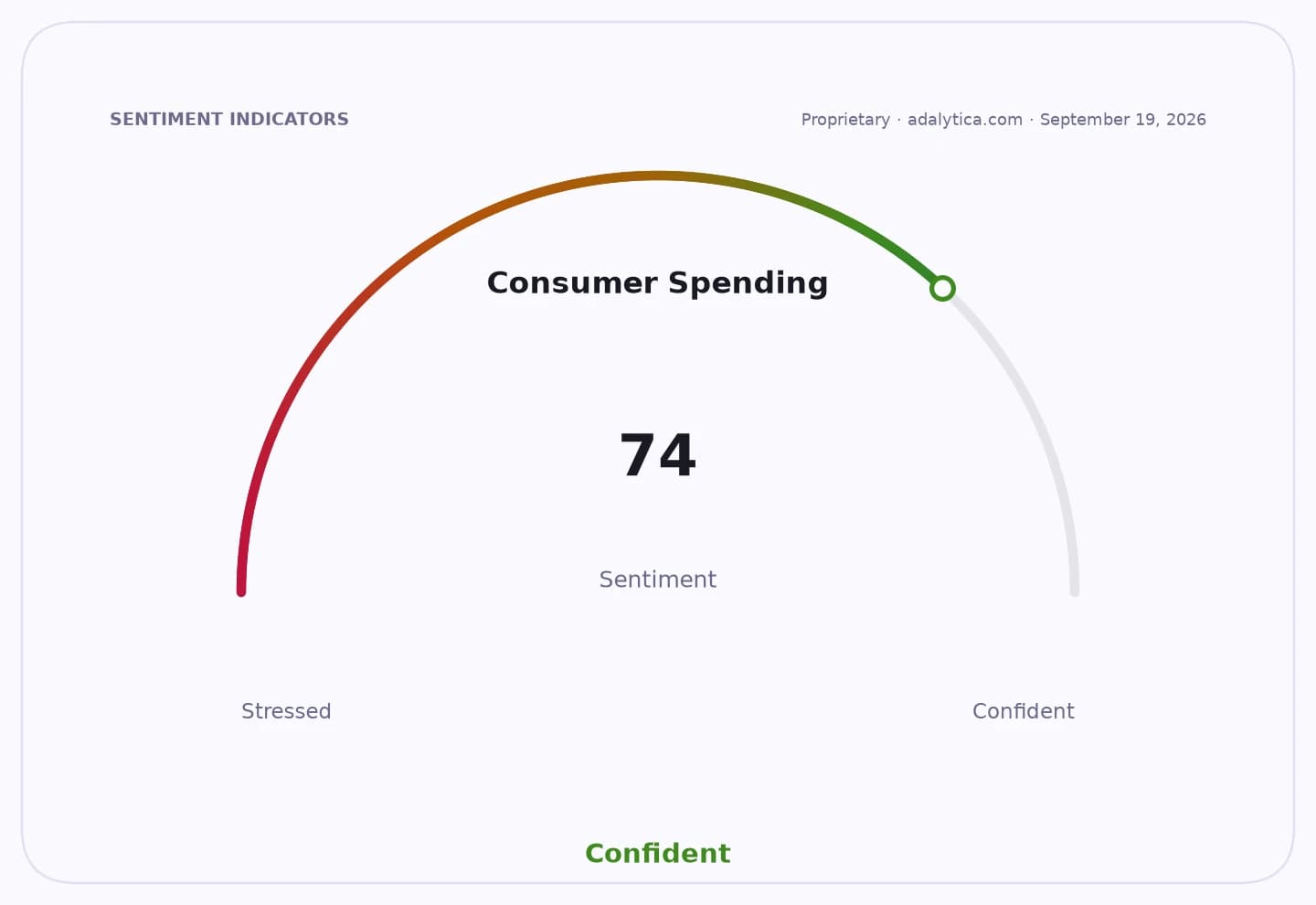
Sentiment IndicatorsⓘProprietary · adalytica.com · September 19, 2026
This is a snapshot — live sentiment, awareness and momentum for 130+ markets update continuously in the dashboard.Open AlphaPulse

Westpac said recent geopolitical tensions have pushed up the wholesale rates banks use to fund longer-term loans, forcing lenders to pass some of that pressure on to borrowers and savers. Sarah Hearn, Westpac NZ’s general manager for product, said the bank is still absorbing part of the increase rather than fully passing it through to homeowners.
The move matters economically because mortgage pricing feeds directly into household cash flow, housing demand and broader credit growth. In New Zealand, where the official cash rate is expected to rise over the next year, the bank’s changes suggest fixed-rate borrowers may face a more uneven path than a simple headline rate cut implies, with short-term offers staying competitive while medium- and long-term loans become more expensive.

Savers are also seeing the effect. Westpac is lifting some term deposit rates by 10 to 25 basis points, with the 12-month deposit rate rising to 4%, the 18-month rate to 4.30% and the three- and four-year rates to 4.60% and 4.85%, respectively. Shorter-term deposits of six months or less are unchanged, showing banks are trying to defend funding while managing margin pressure.
For investors, the key takeaway is that funding stress is spreading through the banking system even before policy rates move again. That can support deposit pricing and help banks retain liquidity, but it also squeezes mortgage growth and raises the risk of softer housing activity if borrowers reprice loans at higher fixed rates.
The story also fits a broader global pattern: rising geopolitical risk is feeding into long-term yields and bank funding costs, which then flow into retail lending. The next catalyst for borrowers and lenders alike will be whether wholesale rates stabilize or keep rising ahead of the Reserve Bank of New Zealand’s next policy moves.
| Entity | Gains | Losses |
|---|---|---|
| Westpac NZ depositors | ▲Higher term deposit rates | ▼- |
| Westpac NZ mortgage borrowers | ▲Lower 2-year teaser rate | ▼Higher fixed-rate loans |
| Rival New Zealand banks | ▲- | ▼Competitive pressure on pricing |
| Homebuyers | ▲Lower near-term 2-year option | ▼Higher funding and longer-term rates |