WhatsApp is testing a feature that would let users chat with third-party AI agents directly inside the app, a move that could turn the world’s largest messaging service into a distribution channel for outside bots and deepen Meta Platforms’ role in consumer AI.
WhatsApp Tests Third-Party AI Agents in Android Beta
The feature, spotted in WhatsApp beta for Android version 2.26.35.3 by tracker WABetaInfo, would give each connected agent its own chat thread and let users configure services through a new agents section in settings. If broadly rolled out, it could make WhatsApp a front door for AI assistants without forcing users to switch apps, raising the stakes for messaging, customer service and AI commerce.
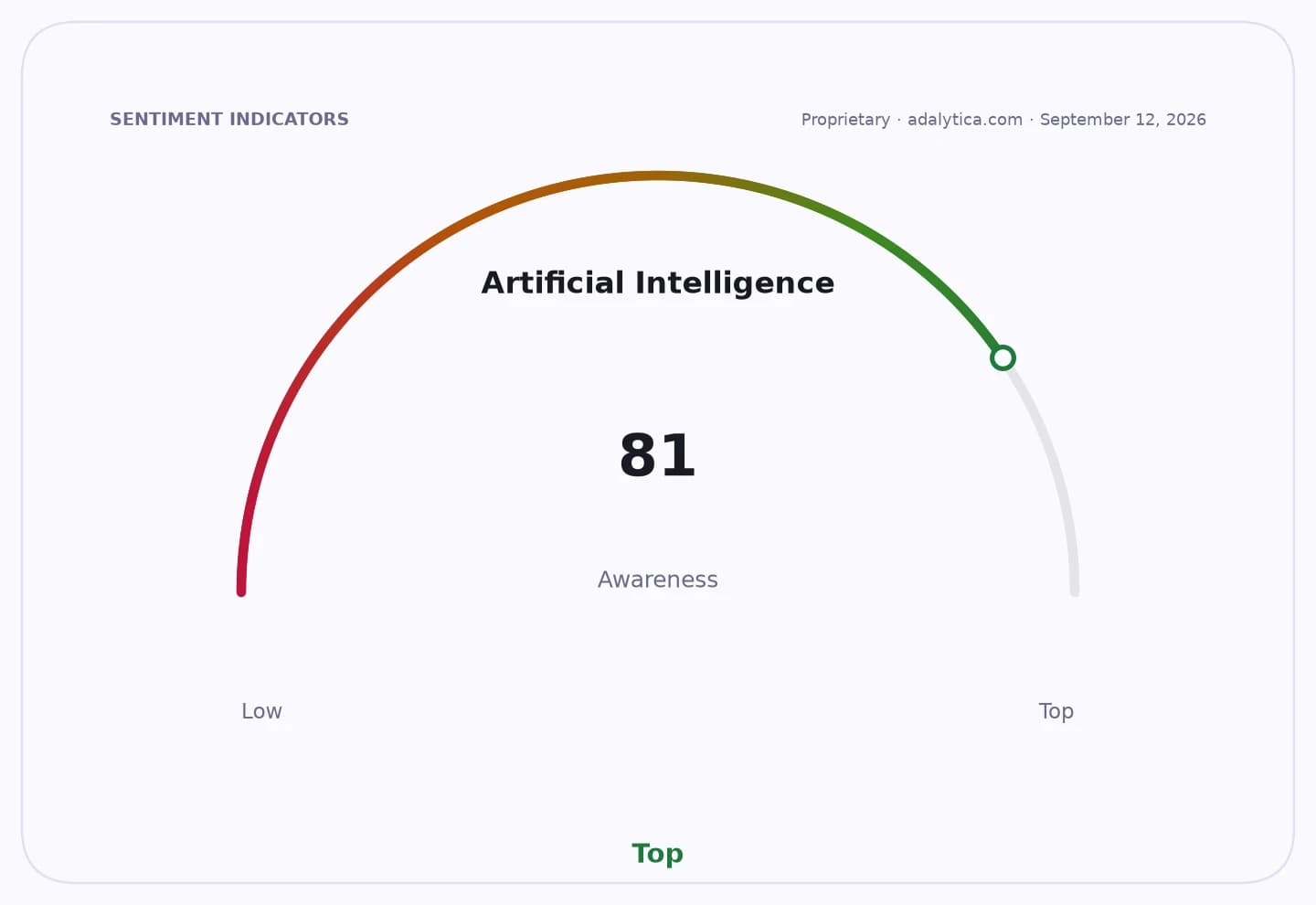
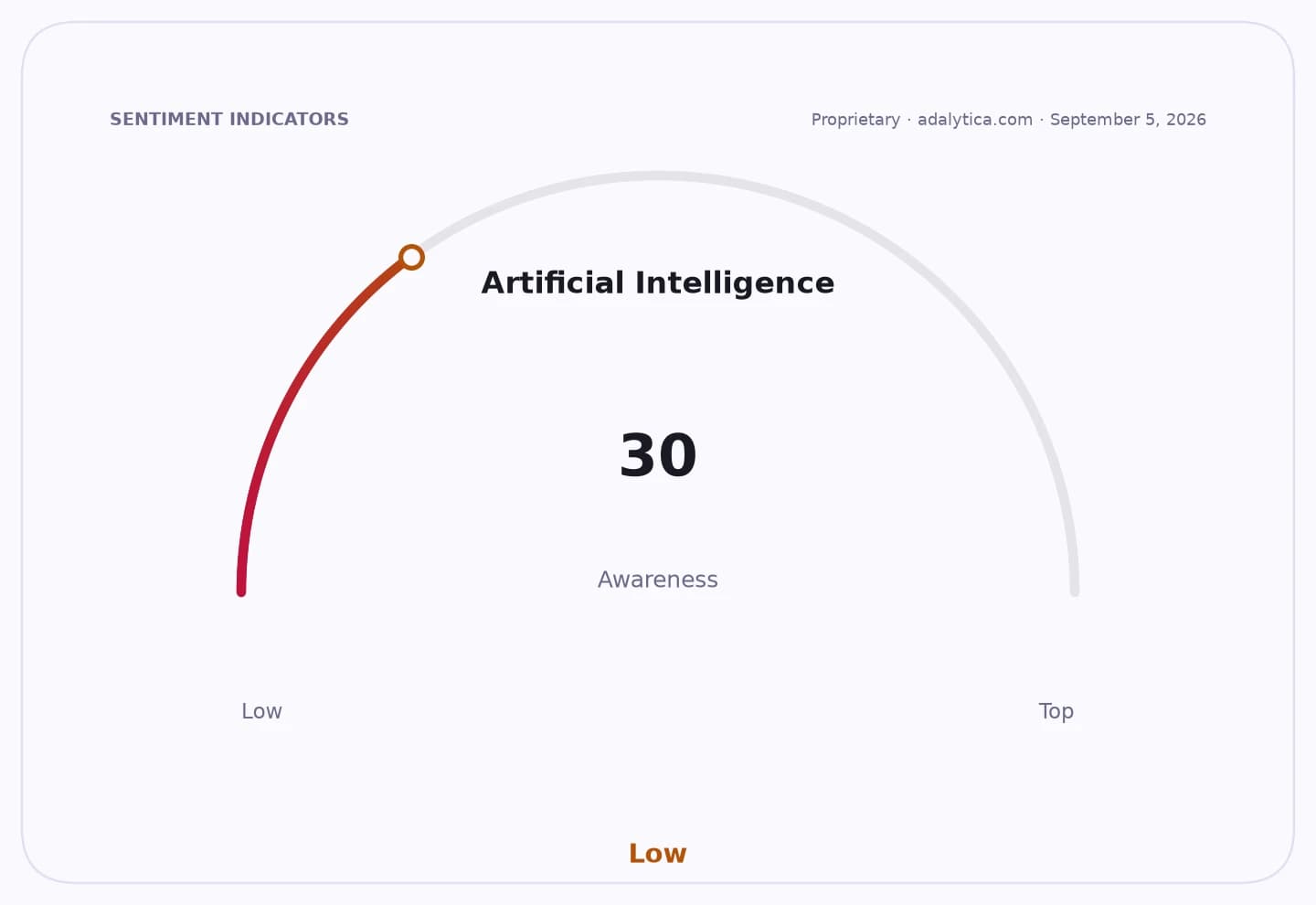
Sentiment IndicatorsⓘProprietary · adalytica.com · September 5, 2026
This is a snapshot — live sentiment, awareness and momentum for 130+ markets update continuously in the dashboard.Open AlphaPulse
The economics are straightforward: more time spent inside WhatsApp can increase engagement, create new monetization routes and make Meta’s ecosystem harder to leave. For third-party AI providers, the app’s scale offers access to hundreds of millions of potential users in a familiar interface, while Meta gains a way to keep pace with rival platforms racing to embed generative AI into daily communication.
The setup appears designed to keep the agents isolated from the rest of a user’s account. According to the report, linked services would have no access to other chats, contacts or media, and agents would not work in group chats or communities. Users could reportedly add up to five agents per account, assign names and profile pictures, and generate API keys to connect or reset a service.
That architecture matters for investors because it suggests WhatsApp is trying to balance utility with privacy controls at a time when regulators and users remain sensitive to data sharing in AI products. Keeping bots in separate conversations may reduce risk, but it also means Meta can expand AI features without immediately overhauling the core messaging experience.
The broader market implication is that messaging apps are becoming potential AI operating layers, not just communication tools. If WhatsApp opens the door to third-party agents, it could intensify competition among Meta, Alphabet, Microsoft and independent AI startups to own the user relationship at the point of interaction.
Meta shares have been volatile as investors weigh heavy AI spending against the payoff from new products, with technical indicators showing the stock recently back above its 50-day moving average but still below its 200-day average. In the near term, the pace of WhatsApp’s rollout and any official Meta announcement will be the key catalyst for whether the feature becomes a meaningful driver of engagement or just another beta test.
| Entity | Gains | Losses |
|---|---|---|
| Meta Platforms | ▲Higher engagement, stickier ecosystem | ▼More AI rollout scrutiny |
| Third-party AI agents | ▲Direct access to WhatsApp users | ▼Dependence on Meta’s rules |
| Users | ▲Easier in-app AI access | ▼More bot clutter, privacy concerns |
| Rival messaging and AI apps | ▲— | ▼Less user time, weaker distribution |