Windhoek’s warning that it will take residents to court over more than N$900 million in unpaid municipal bills is more than a collection drive: it is a stress test for urban finances in a city that relies on bill payments to fund water, power, waste removal and infrastructure.
Windhoek Warns of Court Action Over N$900 Million Arrears
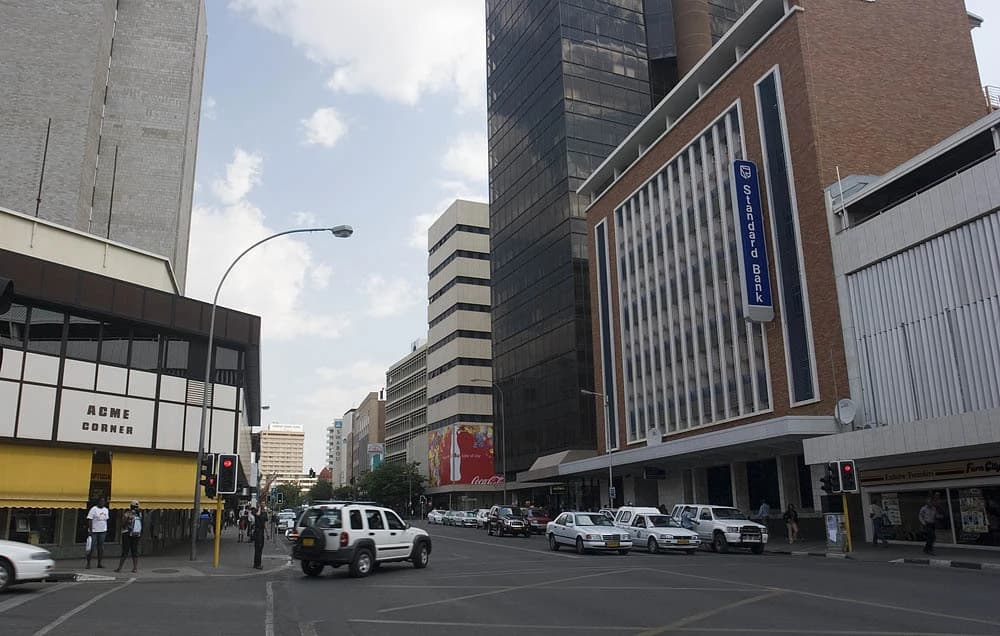
The City of Windhoek says it has already started disconnecting services on accounts unpaid for 30 days or more and will escalate to legal action against defaulters. That raises the stakes for households, landlords and businesses at a time when municipal revenue collection is under pressure and public tolerance for higher service costs is thin.
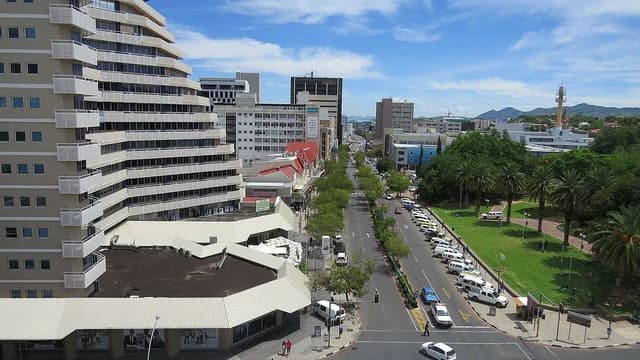
The economic significance is straightforward. A debt load of this size can choke a municipality’s ability to maintain essential services, delay maintenance and force tougher enforcement that can deepen social friction. For a city budgeted at N$4.9 billion, the arrears amount is large enough to affect cash flow, not just accounting headlines.
The city is trying to draw a line between enforcement and relief. It says it has approved N$724 million in debt relief from 2023 to 2025, including N$383.9 million already written off for pensioners, orphan-led households and other qualifying residents. At the same time, it is rejecting claims that its billing system is fundamentally defective, while conceding that some 2024 accounts were affected and have since been corrected.
For investors, the story matters beyond Windhoek. Municipal arrears are a signal of payment discipline, local fiscal health and the durability of utility revenues. That has implications for banks, property owners, contractors and any business exposed to public-sector receivables. If the city becomes more aggressive, recovery could improve over time; if residents resist or a boycott gains traction, collection rates and service reliability could worsen quickly.
The political overlay is important because it can shape the pace of recovery. Residents’ groups are pressing for a boycott and arguing that disconnections alone will not solve the problem, while also demanding clearer national rules on municipal debt management. The city, however, is making the counterargument that payment for services is not optional and that illegal reconnections or meter tampering could trigger criminal charges.
The broader narrative is one of strained local finances meeting harder enforcement. Cities across the region are increasingly being forced to choose between accommodating arrears and protecting their own cash flow. Windhoek is opting for discipline, and that could become a template if the city manages to raise collections without crippling service delivery.
For investors, the actionable takeaway is clear: watch municipal receivables, utility reliability and property-sector exposure closely. In environments where public balance sheets are tight, cash collection is the real catalyst — and Windhoek has just made that unmistakably explicit.
| Entity | Gains | Losses |
|---|---|---|
| City of Windhoek | ▲Better cash collection | ▼Public backlash |
| Paying residents | ▲More reliable services | ▼Higher enforcement pressure |
| Defaulters | ▲Short-term leverage from boycott talk | ▼Court action, disconnections |
| Banks and landlords | ▲Stronger payment discipline if collections improve | ▼More arrears if boycott spreads |