Romanian mayors are splitting over whether local taxes should rise with inflation in 2027, turning a technical fiscal adjustment into a broader test of how much more households can absorb after years of weaker purchasing power.
Romania Mayors Split on 2027 Local Tax Indexation
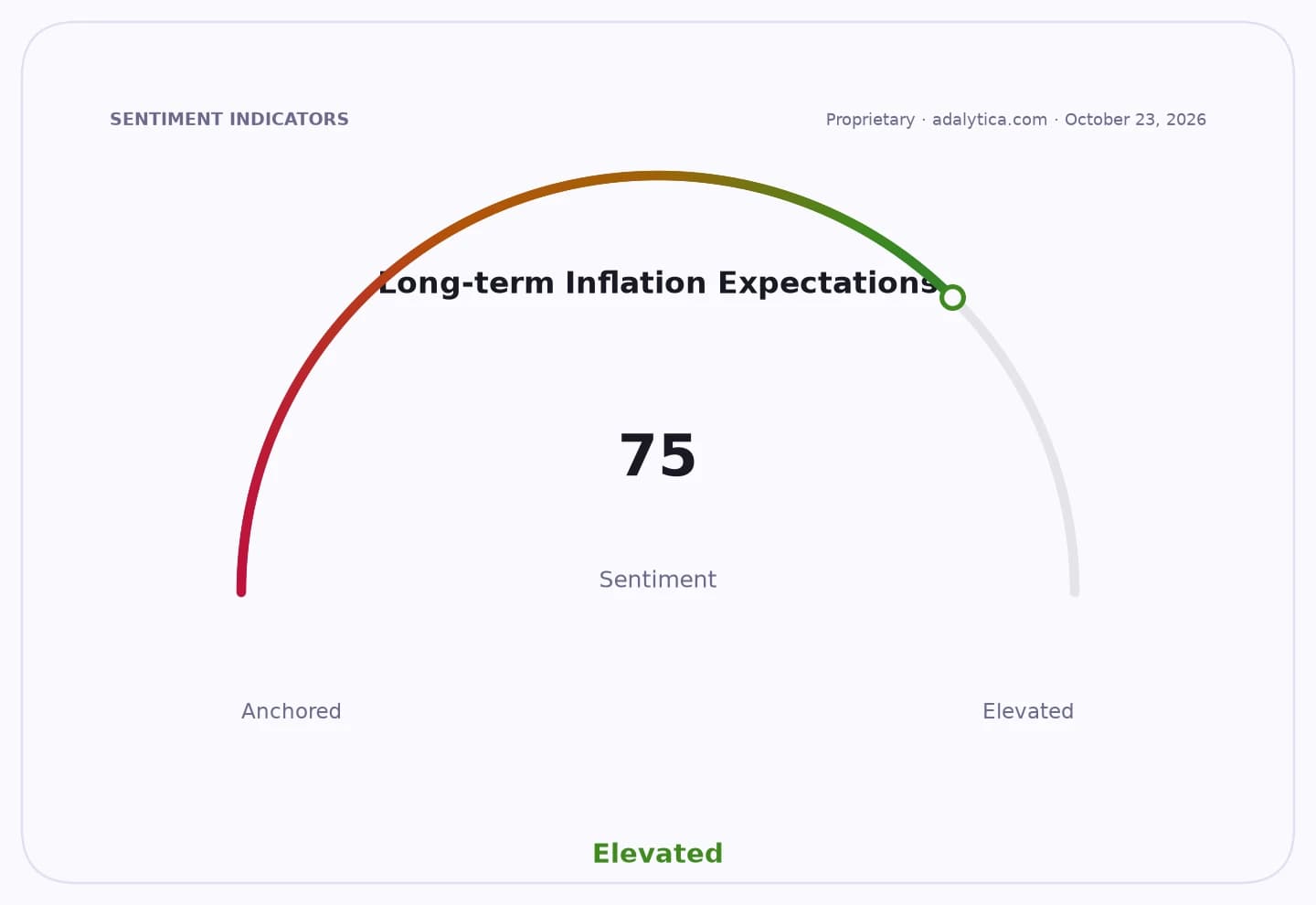
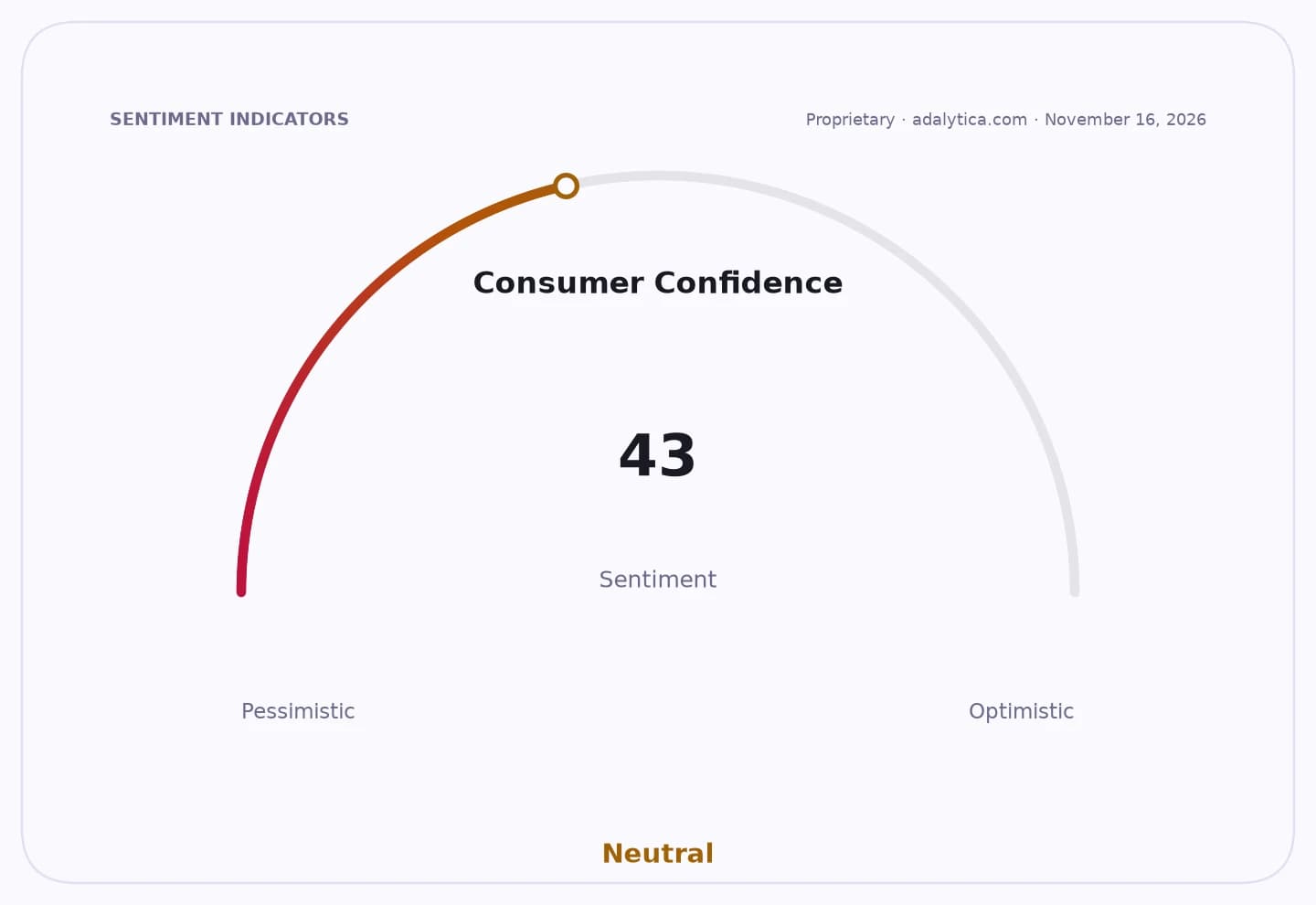
The immediate issue is not a sweeping tax overhaul but the way local administrations will apply existing rules next year, especially after the government moved to clarify how to treat enclosed balconies built without permits. For investors and economists, the significance lies in the signal it sends about Romania’s fiscal stance: local authorities appear reluctant to add to the tax burden at a time when inflation remains elevated and consumer confidence is fragile.
Sentiment Indicators
In Câmpulung, mayor Elena Lasconi said taxes would rise only by the inflation rate if the law requires it, but argued that further increases would only deepen pressure on households. In Arad, mayor Călin Bibarț went further, saying local taxes would stay at 2026 levels and would not even be indexed to inflation, except where national law forces a change, such as for heavy trucks tied to the leu-euro exchange rate. Bacău mayor Lucian Viziteu also said his city would not index taxes to inflation, arguing the fiscal code no longer obliges it.
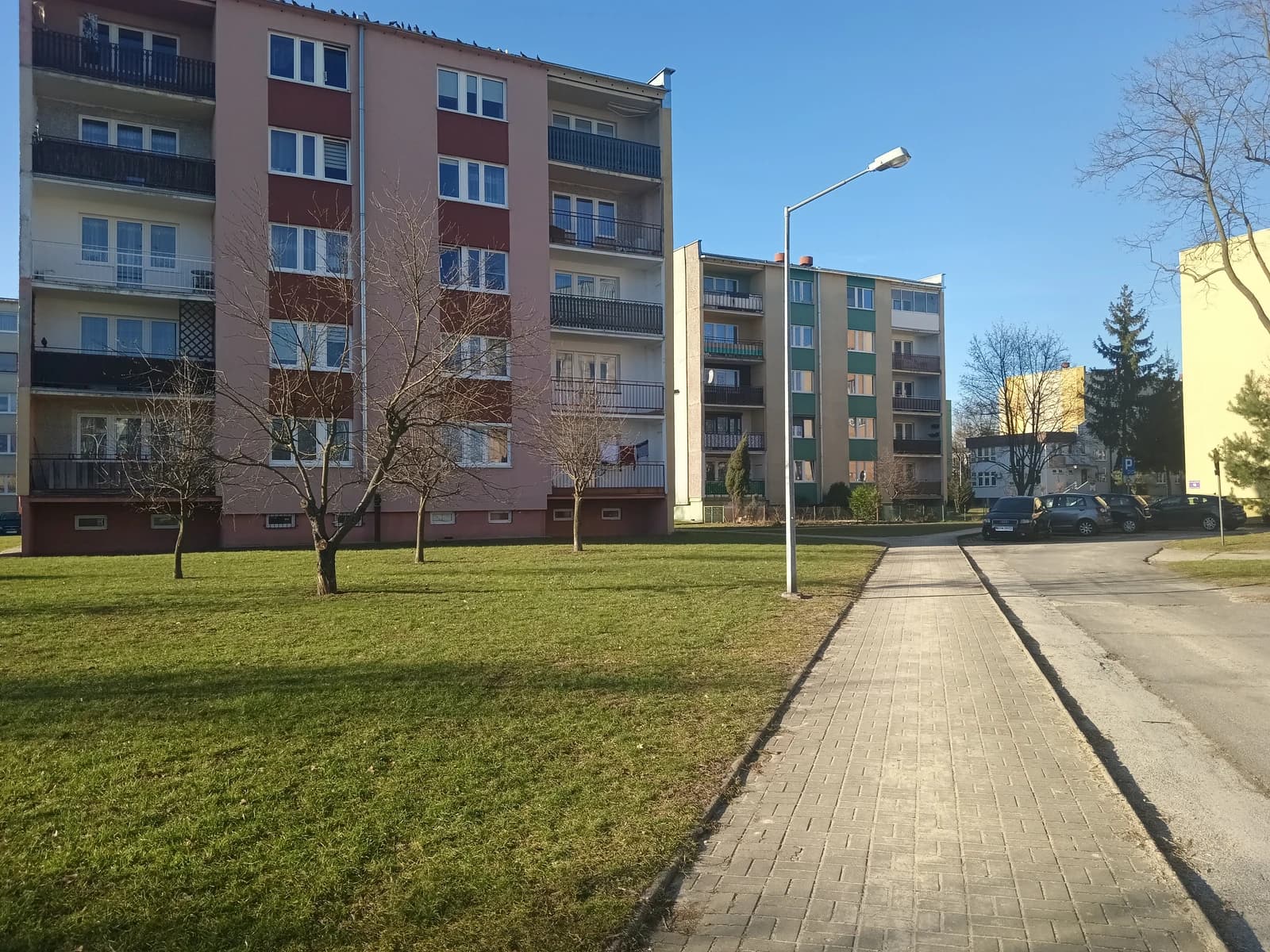
That divergence matters because it highlights how Romania’s decentralized tax system is becoming a political flashpoint. Even modest annual indexation can matter in an environment where households are already stretched by food, services and borrowing costs. The issue is especially sensitive for residential property owners, who fear that the new urbanism code could be used to impose higher taxes or penalties on homes with enclosed balconies. Mayors from several cities said the law is unclear, while Development Minister Alexandru Stoica said he would issue an order clarifying that such balconies will not face extra taxation.
The clarification eases one immediate source of anxiety, but it does not end the broader dispute. Local leaders say rules remain inconsistent and difficult to apply retroactively, especially in cases where balcony enclosures were built years ago and are now effectively part of lived-in housing stock. Bacău’s mayor called the legislation unconstitutional, while Arad’s mayor said the system lacks the technical and legal norms needed for enforcement. That suggests the central government may still have to rewrite parts of the framework if it wants a uniform national approach.
For households, the practical takeaway is that the feared “new wave” of local tax hikes may prove narrower than initially feared. For investors, the more important point is that Romania’s authorities remain wary of adding to inflation-sensitive costs, which could help support consumption but also limit local revenue growth. The debate also matters for sovereign and municipal credibility: if local tax policy becomes increasingly inconsistent city by city, it weakens the predictability of Romania’s fiscal framework at a time when markets are already focused on inflation, public finances and the durability of real incomes.
The next test will be whether the government turns the minister’s clarification into a stable legal fix and whether more municipalities follow Arad and Bacău in resisting inflation-linked tax increases. If they do, Romania may avoid a politically damaging tax shock in 2027. If not, the controversy over balconies could become a proxy for a larger fight over who bears the cost of inflation and fiscal consolidation.
| Entity | Gains | Losses |
|---|---|---|
| Romanian households | ▲Lower tax burden | ▼Fears of higher bills |
| Local mayors resisting indexation | ▲Political goodwill | ▼Fiscal revenue growth |
| Central government | ▲Short-term social calm | ▼Less uniform tax policy |
| Homeowners with enclosed balconies | ▲Avoid extra taxation | ▼Regulatory uncertainty |