France’s 2027 budget battle is colliding with housing policy, as the government moves to scrap energy-renovation aid for low-income households while also tightening the tax regime for furnished landlords, a combination that could curb construction, repairs and rental supply at a time when affordability is already strained.
France 2027 budget targets housing aid and LMNP taxes
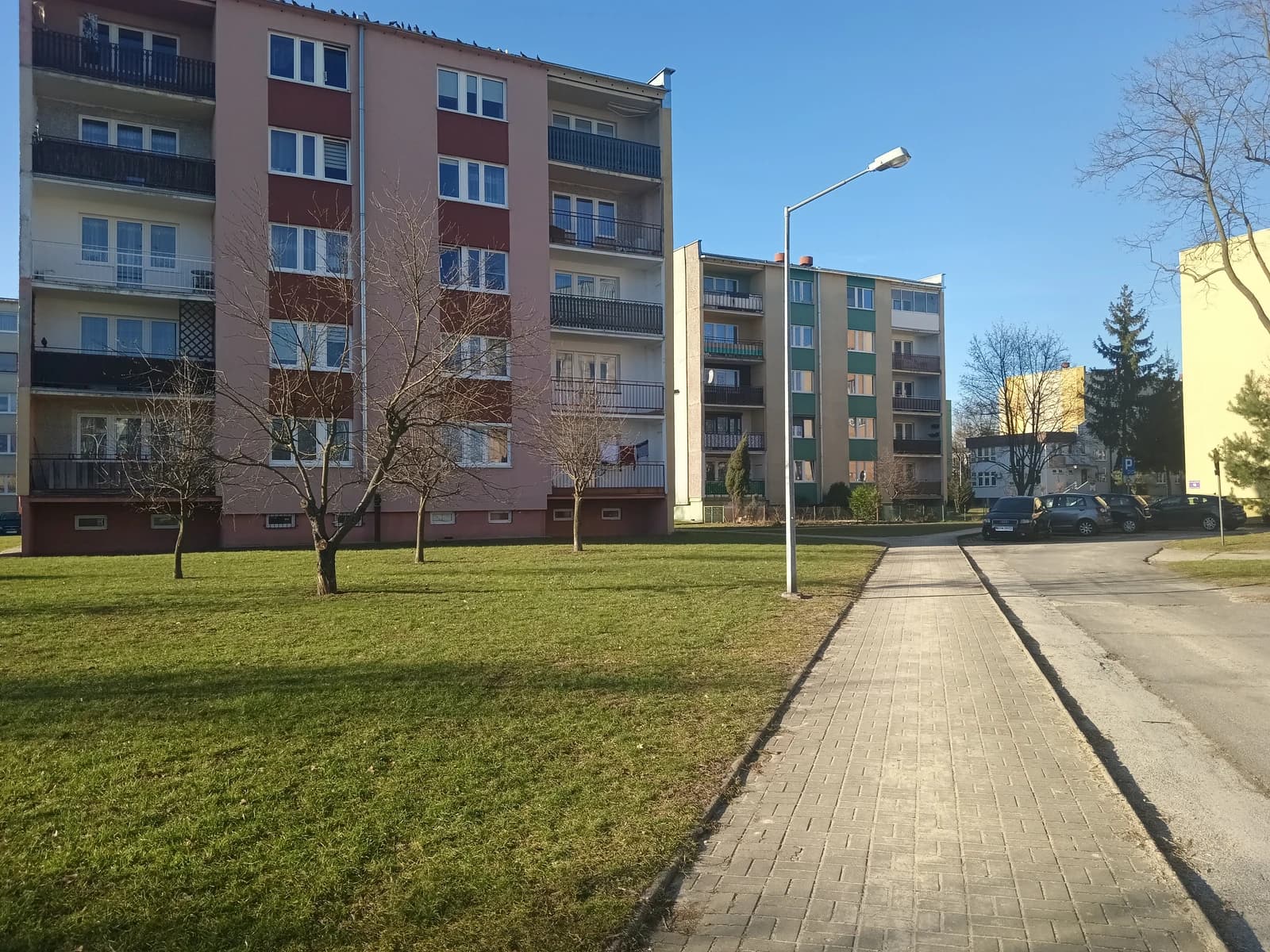
The clash matters because housing is both a social safety net and an engine of domestic demand. Pulling support from energy upgrades for fragile households risks slowing renovations that lower utility bills and keep older homes habitable, while weakening the LMNP, or non-professional furnished rental, regime could deter a class of small and mid-tier investors who provide much of France’s furnished rental stock in city centers and service residences.
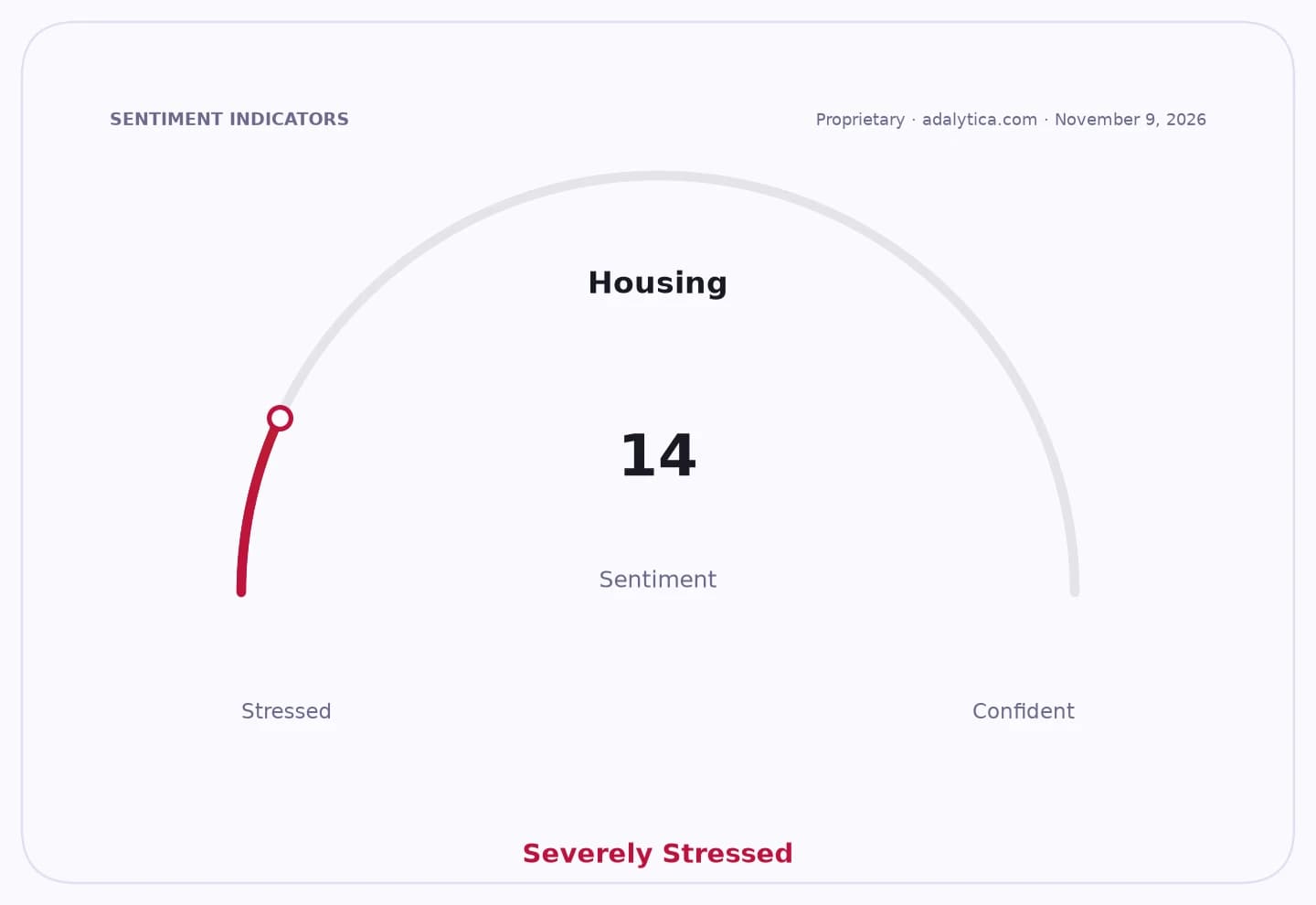
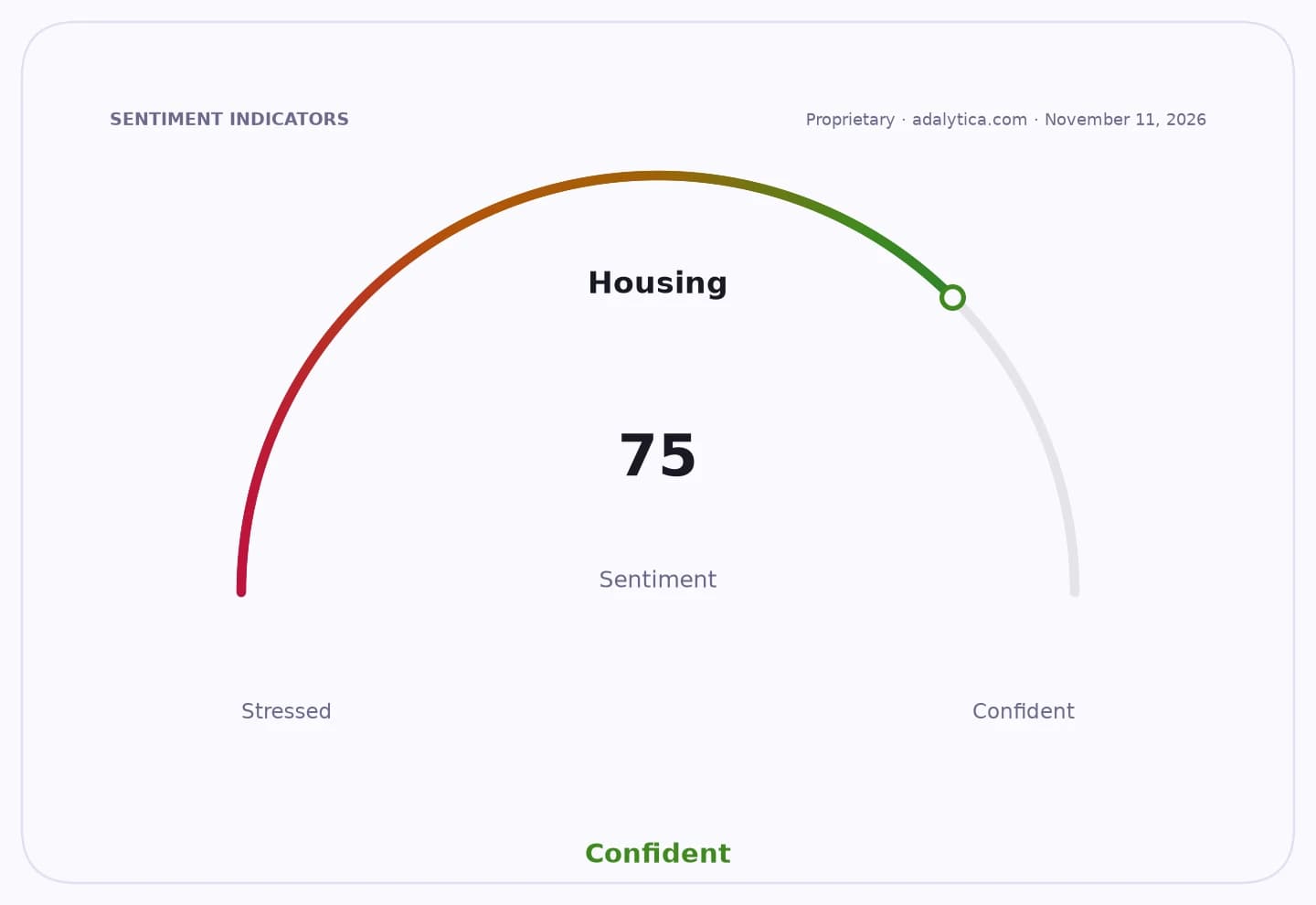
Sentiment Indicators

The government’s budget has already been rejected unanimously in the National Assembly on the revenue side, pushing the original draft to the Senate and raising the odds of a forced passage through Article 49.3 or ordinances. That political gridlock makes housing a prime target for fiscal tightening, but it also increases the risk of policy whiplash for a sector that depends on tax incentives, subsidies and long investment horizons.
On the low-income side, three energy-renovation support programs — Toits d’abord, Territoires d’exclusion énergétique and Slime — have been scrapped, drawing criticism from former ecology minister Agnès Pannier-Runacher and Senator Amel Gacquerre. The programs had been backed by housing charities and associations, and their removal means some vulnerable households may lose access to aid used to make homes more energy efficient and affordable to live in.
Housing (Real Estate)
On the investor side, the government wants to cap annual depreciation and limit carryforwards under LMNP, arguing that wealthy taxpayers use the regime to reduce taxes. But the measure lands well beyond the top 0.1% of wealthiest households: many LMNP owners sit in middle-income brackets, and the regime supports furnished rentals in dense urban areas as well as student and senior housing residences.
That’s why the stakes go beyond taxation. France’s housing market is already short of supply and sensitive to financing costs, and policy changes that hit both demand for renovation and the economics of small-scale rental investment could further slow activity in a sector that feeds construction, consumer spending and VAT revenues. A weaker housing pipeline would also make it harder for the government to meet social goals without spending more elsewhere.
Investors will watch whether the Senate softens the measures or whether the executive forces the budget through unchanged. The next test is whether the final 2027 finance bill preserves enough incentives to keep private capital flowing into renovation and rental supply, or whether the government’s drive for savings ends up reducing housing investment at both ends of the market.
| Entity | Gains | Losses |
|---|---|---|
| French Treasury | ▲Lower near-term spending | ▼Housing investment momentum |
| Low-income households | ▲None from cuts | ▼Renovation aid and lower bills |
| LMNP landlords | ▲None from reform | ▼Tax shelter and yields |
| Builders and housing charities | ▲Policy clarity if revised | ▼Demand for projects and funding |