Romania’s return as the European Union’s inflation outlier is turning one of Greece’s most important overseas growth markets into a profitability trap.
Romania Inflation Hits Greek Companies
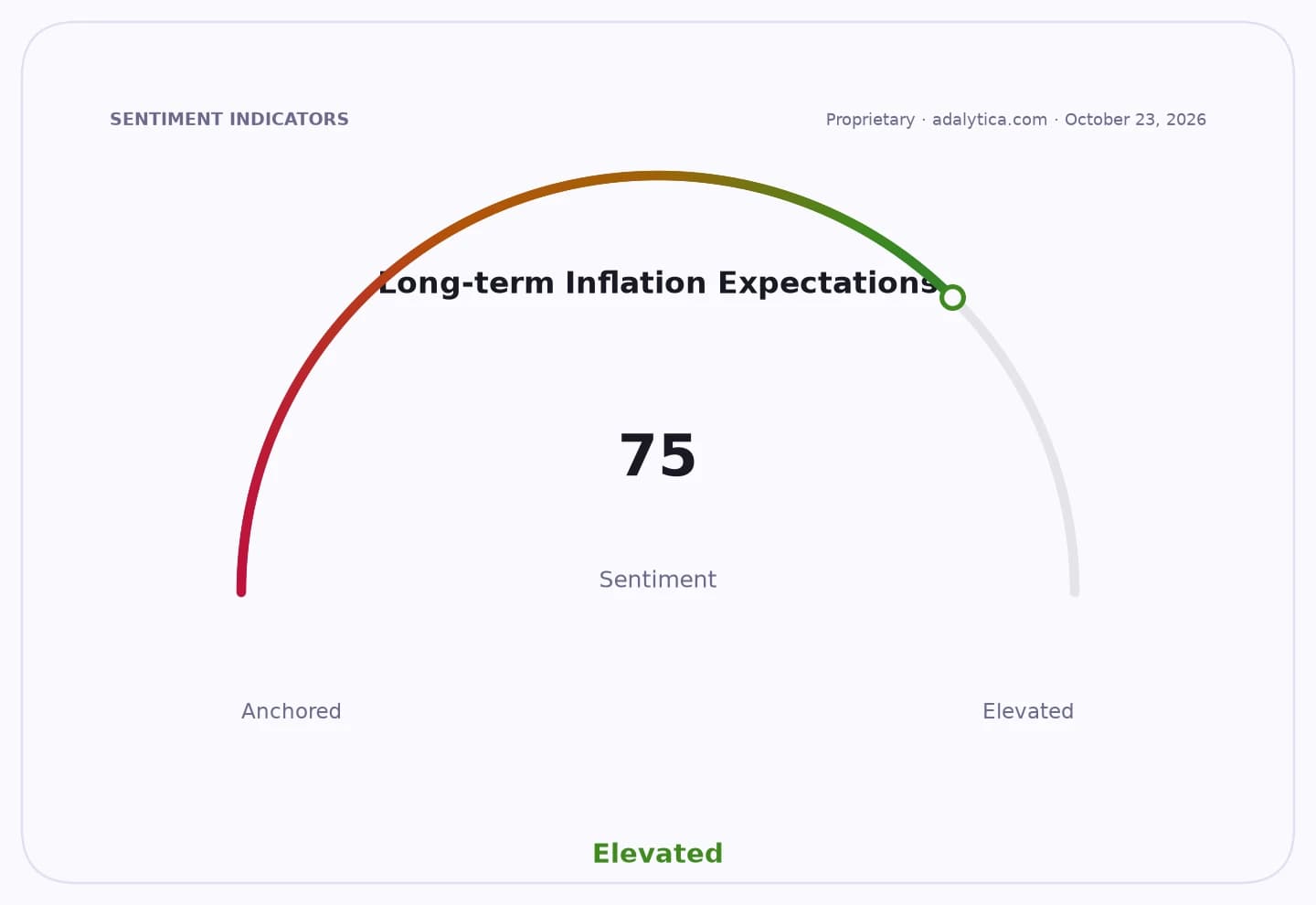
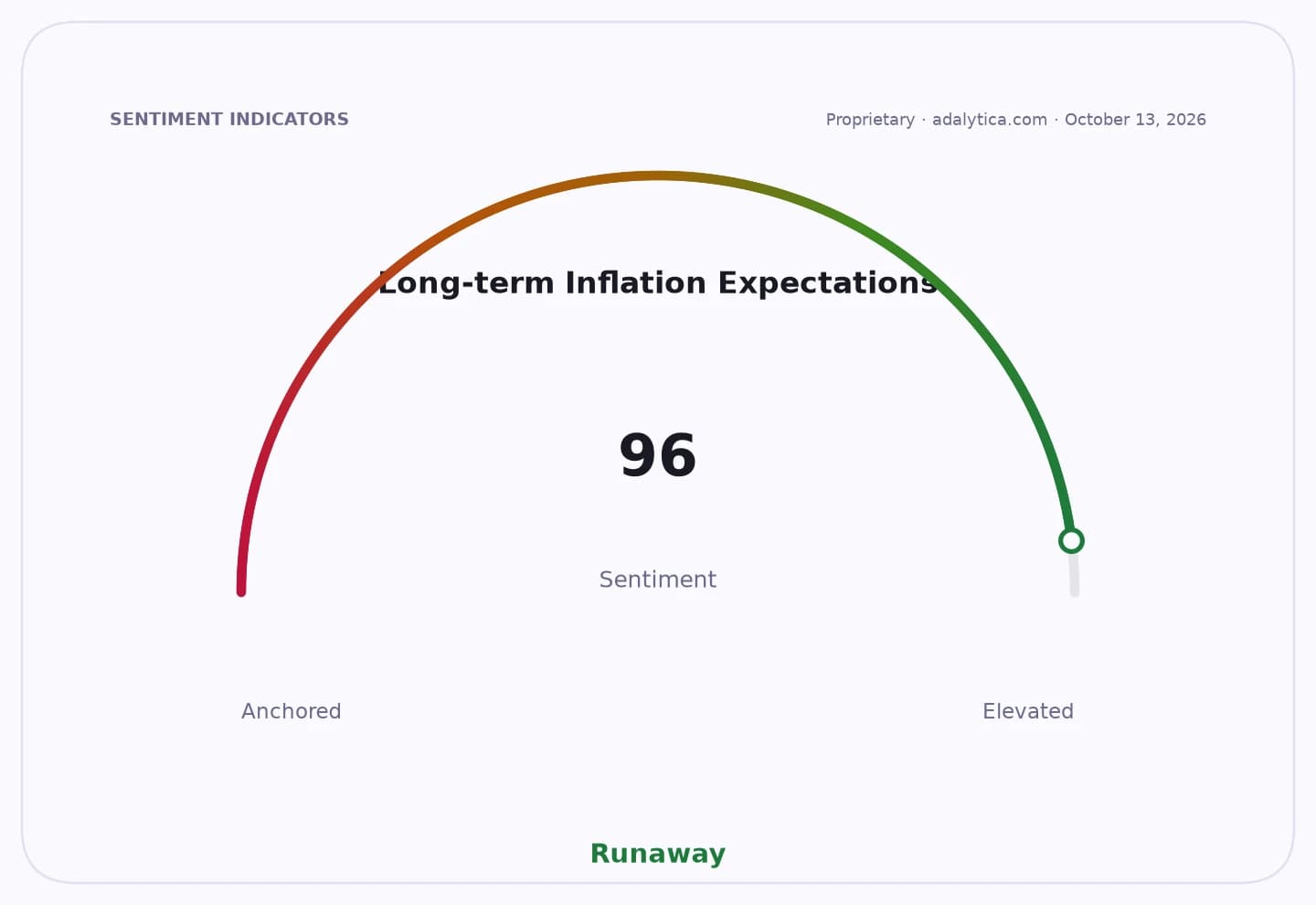
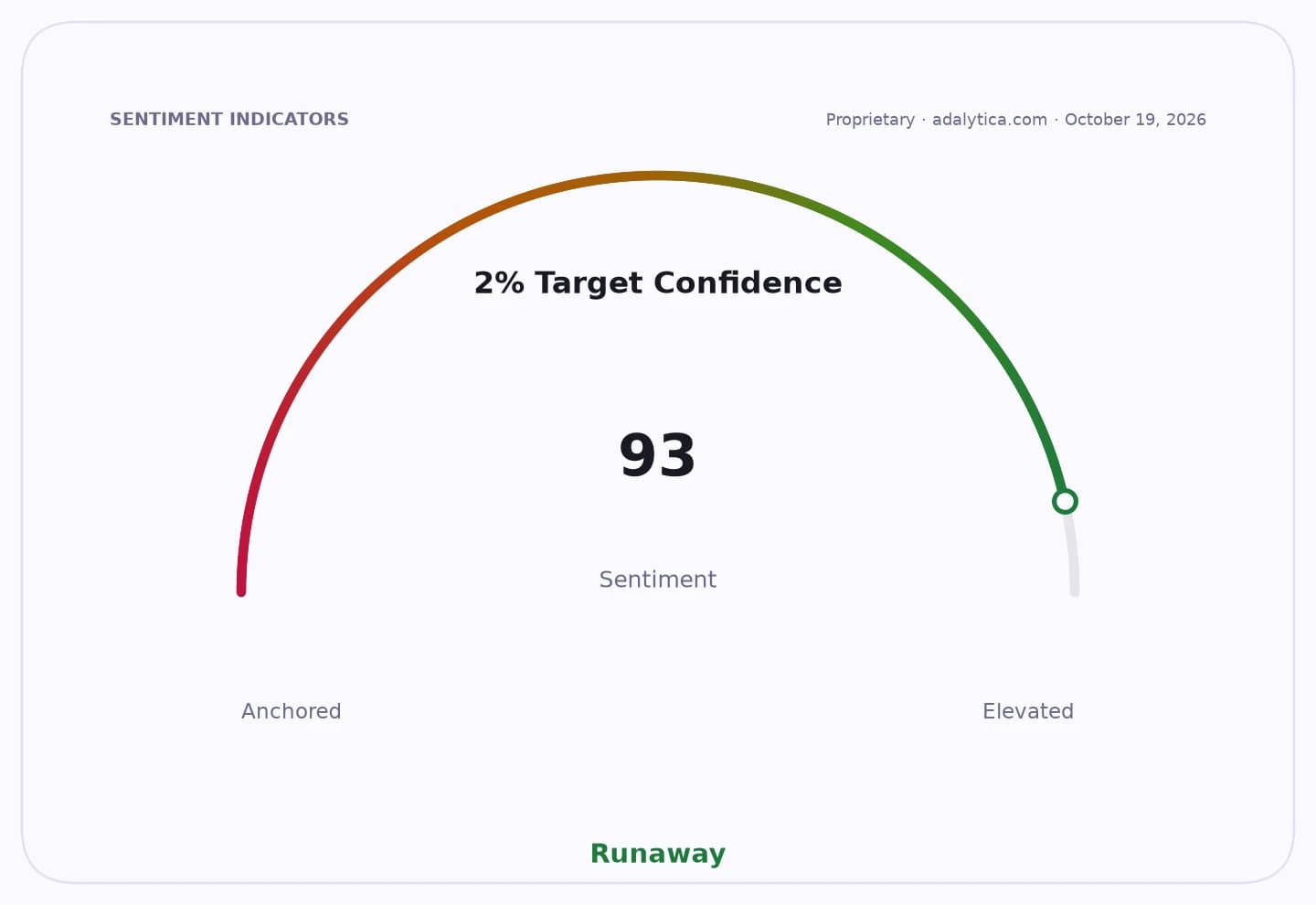
That matters because the country is no longer just an execution problem for retailers, builders and energy groups with Romanian exposure — it is becoming a macro risk. Consumer prices rose to 6.7% in September after hovering near 10% in the spring, while political paralysis, a widening deficit and a weakening leu are undermining demand, lifting costs and raising the odds that Romania slips closer to junk status.
Sentiment IndicatorsⓘProprietary · adalytica.com · October 23, 2026
This is a snapshot — live sentiment, awareness and momentum for 130+ markets update continuously in the dashboard.Open AlphaPulse
For Greek-listed companies, the timing could hardly be worse. Romania has been a decade-long engine of expansion for groups such as Public Power Corp., GEK Terna, Motor Oil, HELLENiQ Energy, Coca-Cola HBC and Jumbo, with roughly 2,000 Greek-interest firms operating there and generating about 5.8 billion euros in annual turnover. The market also supports about 20,000 jobs, making it a material profit pool rather than a side bet.
But the inflation shock is already showing up in company results. Jumbo said Romanian sales fell 7% in the first four months, even as sales rose in Greece and Bulgaria. Coca-Cola HBC has flagged the country as a regulatory risk, while Fourlis has called Romania its main headache this year. That is exactly the kind of second-order pressure the market tends to miss until earnings revisions arrive.
The broader problem is that inflation in Romania is not happening in isolation. A five-month political crisis has blocked austerity measures, the fragmented parliament is limiting policy response, the budget deficit is under strain and the country stands to lose about 770 million euros in EU recovery funds after failing to pass key public-sector wage legislation. Moody’s, S&P and Fitch all keep Romania at the lowest investment-grade rung with negative outlooks.
Investors should read this as a margin, valuation and FX story, not just a country headline. A weaker leu can hit translated earnings, sticky inflation can crimp consumer spending and fiscal slippage can slow public investment and private construction work. That combination is toxic for businesses that entered Romania to capture growth, not to manage sovereign risk.
The opportunity, in our view, is to separate the true beneficiaries from the trapped capital. Companies with local pricing power, limited fixed-cost exposure and strong balance sheets may absorb the shock. Those relying on high-volume consumer spending, public contracts or imported inputs are more vulnerable. Romania’s next move on inflation and fiscal discipline will decide which Greek expansion stories still deserve a premium.
| Entity | Gains | Losses |
|---|---|---|
| Romanian exporters | ▲weaker leu helps pricing | ▼imported inflation pressure |
| Greek consumer firms | ▲price increases if demand holds | ▼lower volumes, margin squeeze |
| Greek builders/infrastructure groups | ▲public projects continue | ▼delayed contracts, fiscal risk |
| Romanian consumers | ▲none | ▼higher food, fuel and utility costs |