The World Bank’s move to study regulated stablecoins for development payments could speed up the flow of aid and project money across dozens of countries, a shift that would pressure legacy correspondent banking while opening a new lane for crypto infrastructure providers.
World Bank studies stablecoins for aid payments
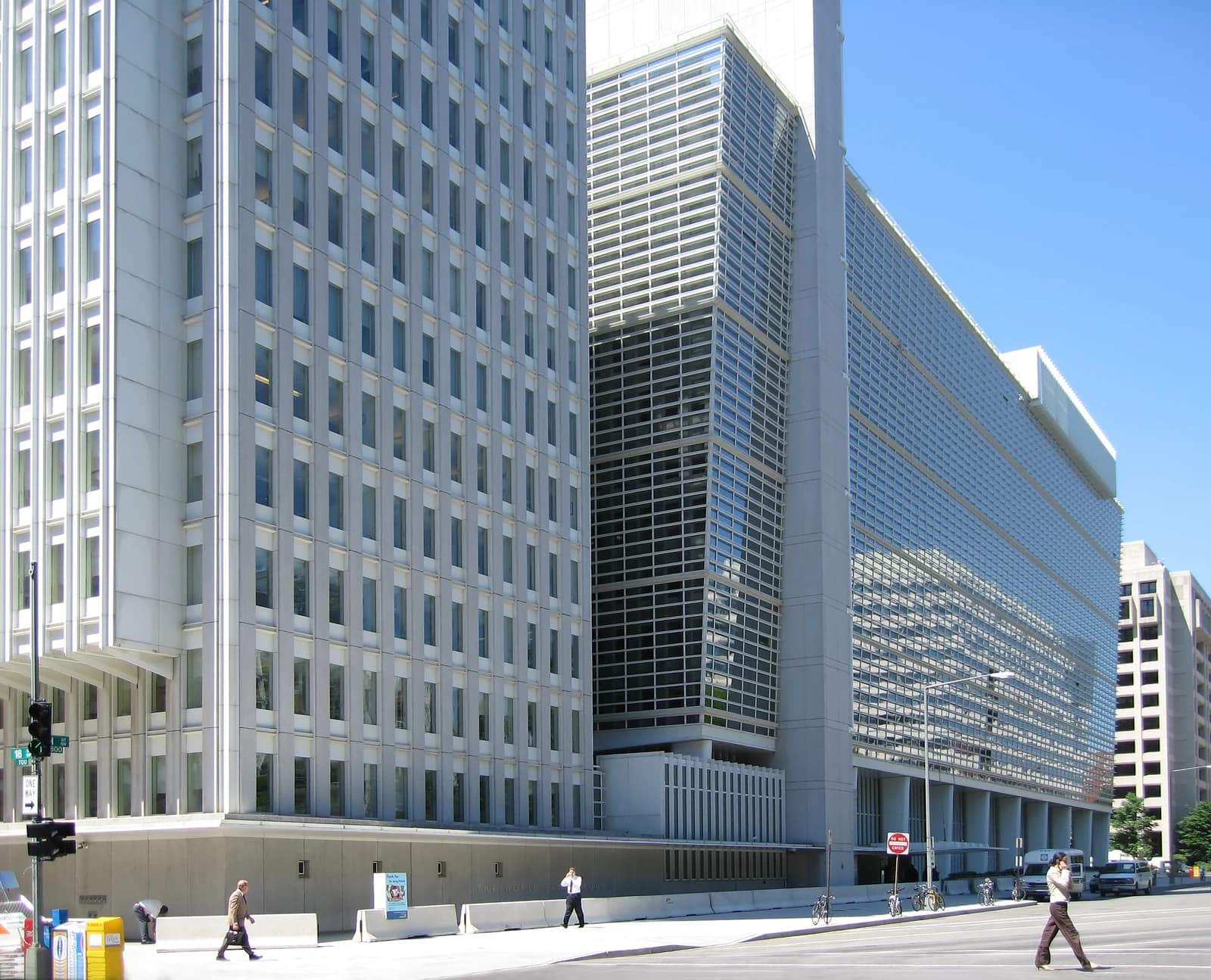
The pilot matters because development finance is often slowed by a payments stack built for a different era: multiple intermediaries, costly cross-border transfers and limited transparency once funds leave the lender. By exploring blockchain-based settlement with Citi and Circle Internet Group, the World Bank is testing whether dollar-linked tokens such as USDC can make disbursements faster, cheaper and easier to track — a change that would be especially valuable in projects where timing is critical, from health clinics to farm payments.
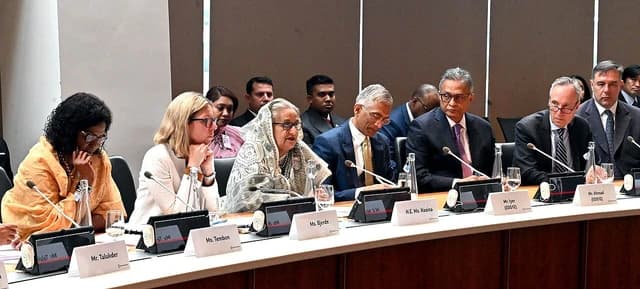
The initiative builds on the World Bank’s FundsChain platform, which already tracks more than 350 projects in 96 countries on digital records. That existing footprint gives the institution a real-world base to evaluate whether stablecoins can do more than improve visibility and actually move money more efficiently. Ajay Banga, the World Bank’s president, framed the upside plainly: quicker delivery of resources to communities, faster payments to farmers and more responsive government spending when urgent needs arise.
For investors, the story is bigger than one multilateral pilot. It underscores that stablecoins are moving from speculative crypto plumbing toward institutional-grade payments infrastructure. That creates a potential second-order beneficiary list: Circle, as the issuer and network operator behind USDC; Coinbase, which remains deeply tied to USDC usage and crypto rails; and payment networks and banks that can adapt early rather than defend every old process. The pressure point is not just crypto exchanges, but the entire cross-border settlement market, where efficiency gains can eventually erase fees and processing spreads.
The World Bank said the first phase will focus on an intermediary model that is interoperable and limited to beneficiary countries where digital assets are allowed and properly regulated. That caution is important. This is not a blanket endorsement of crypto; it is a controlled experiment inside the regulated financial system. But that is exactly why it matters. Once a conservative institution such as the World Bank begins testing stablecoins for real disbursements, the conversation shifts from ideology to utility.
The market is still underestimating how fast that utility can scale if regulators continue to tighten rules while permitting compliant use cases. Stablecoins are becoming less of a fringe trade and more of a toll road on global money movement. If the model works, development finance could be the first visible proof point, and commercial payments could follow. For investors, that argues for owning the picks-and-shovels of digital settlement before the broader market fully prices in the shift.
| Entity | Gains | Losses |
|---|---|---|
| Circle / USDC | ▲Institutional adoption | ▼Legacy payment frictions |
| World Bank / borrowers | ▲Faster disbursements | ▼Delayed project funding |
| Citi | ▲New settlement role | ▼Slow correspondent rails |
| Traditional correspondent banks | ▲— | ▼Fee income, control of flows |