XRP and Bitcoin are sending conflicting signals, but the bigger market message is that crypto’s latest leg of weakness is being driven as much by positioning and leverage as by spot demand.
XRP and Bitcoin Weakness Tied to Leverage and Flows

XRP exchange balances fell by a combined 104.7 million tokens across Binance and Upbit, while a separate wave of aggressive Bitcoin shorting preceded a drop below $84,000 and more than $500 million in long liquidations. For investors, that combination matters because falling exchange reserves can tighten available supply, but only if price confirms the move — and Bitcoin’s leveraged unwind shows how quickly derivatives can overwhelm fundamentals.
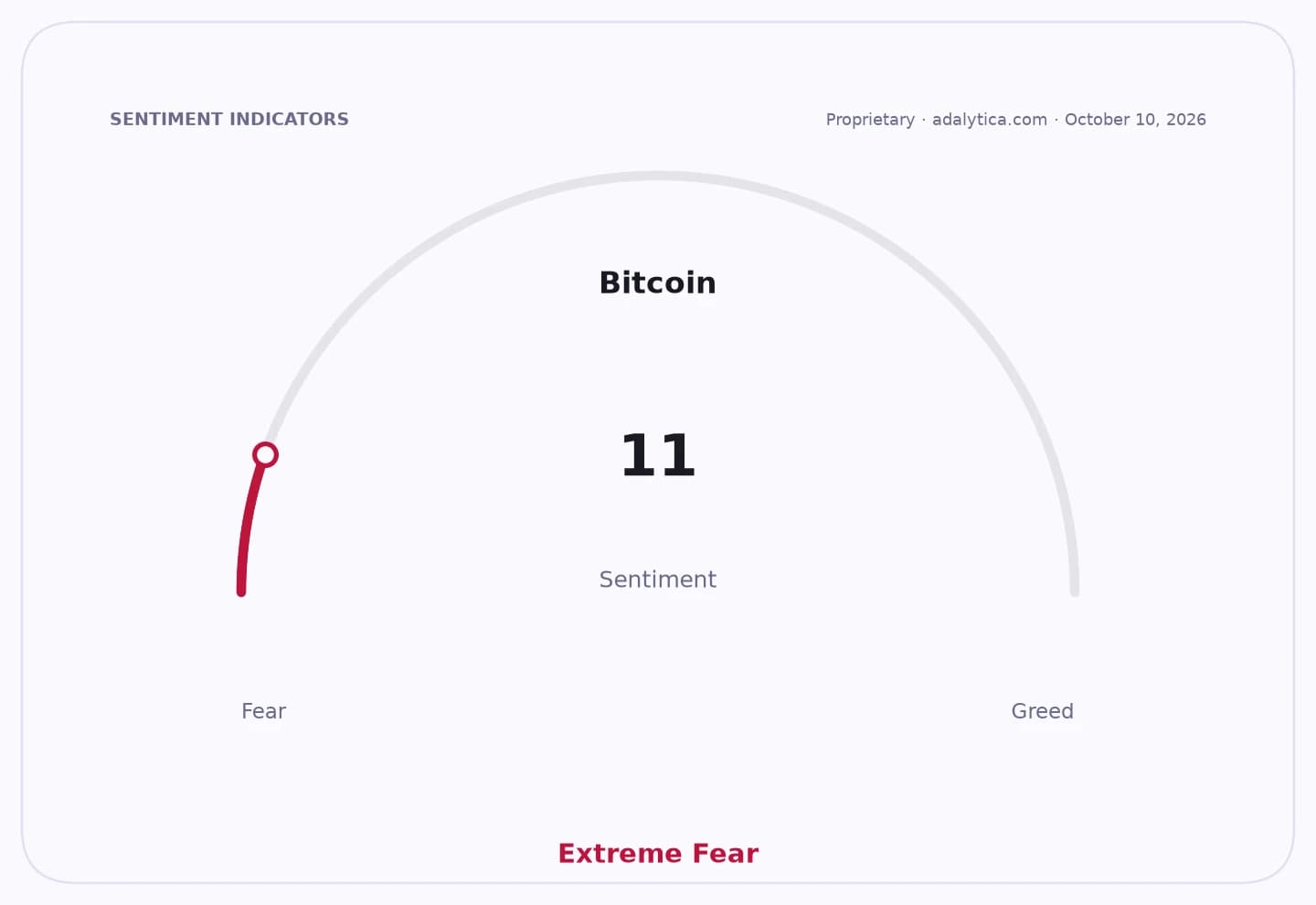
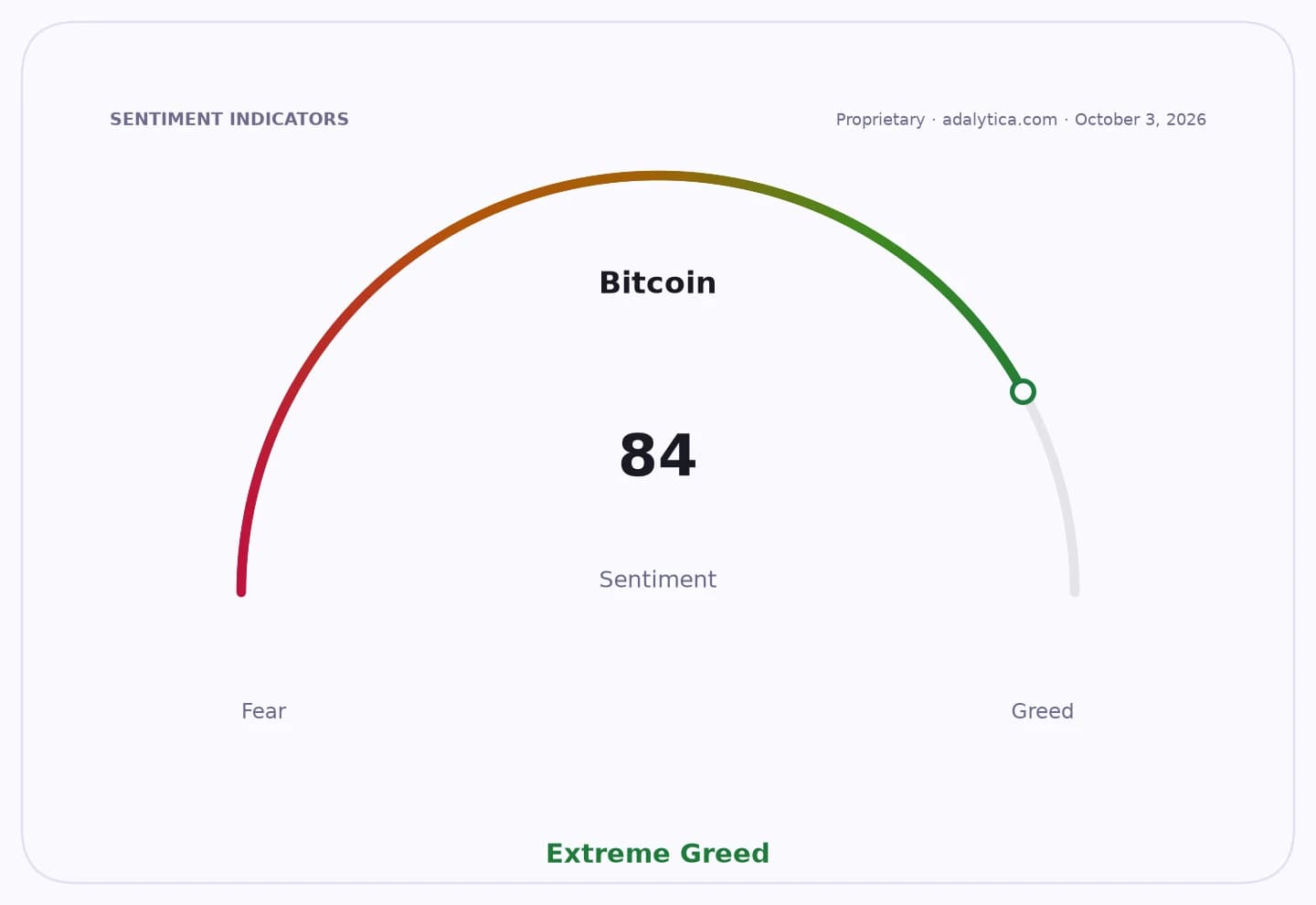
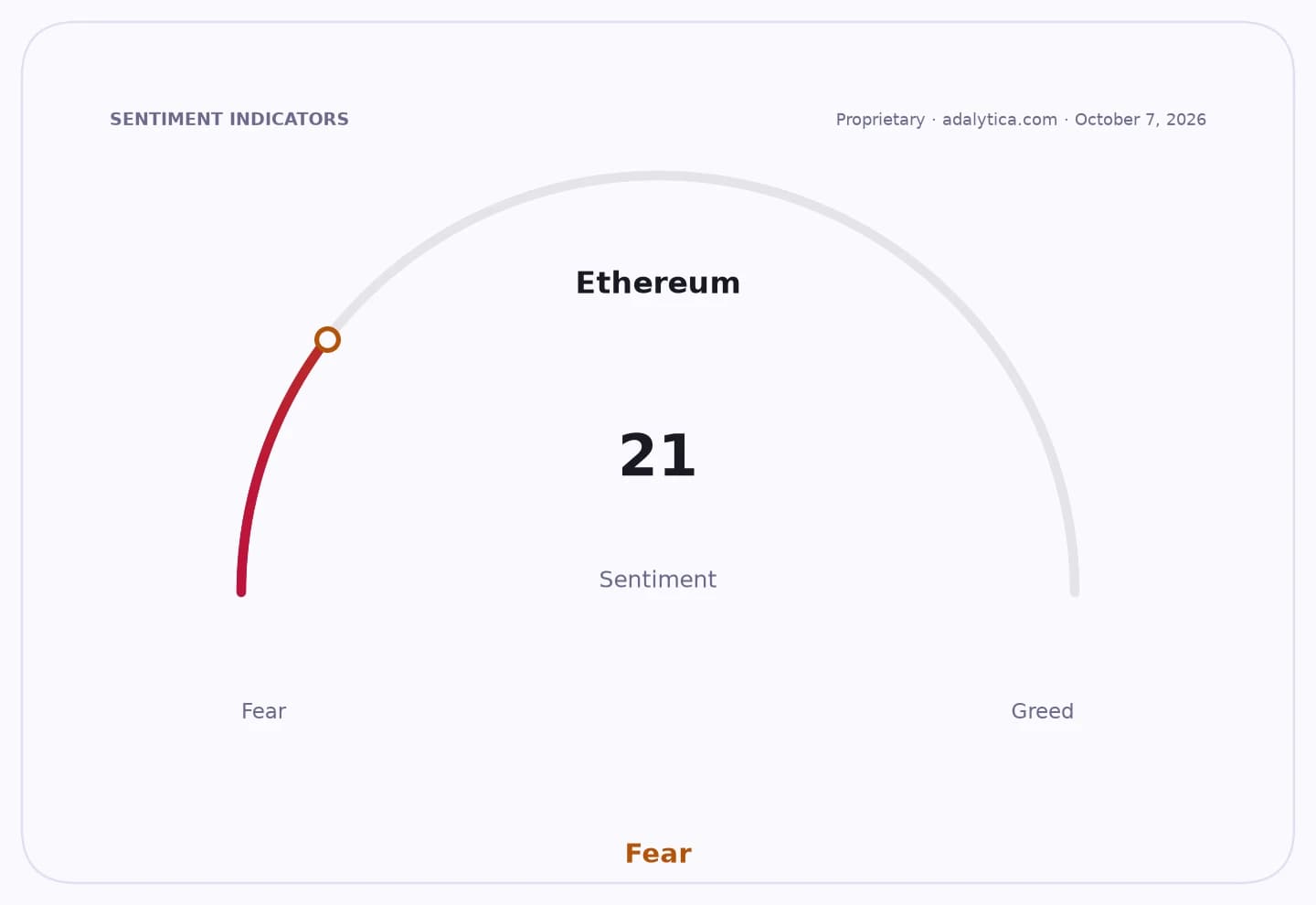
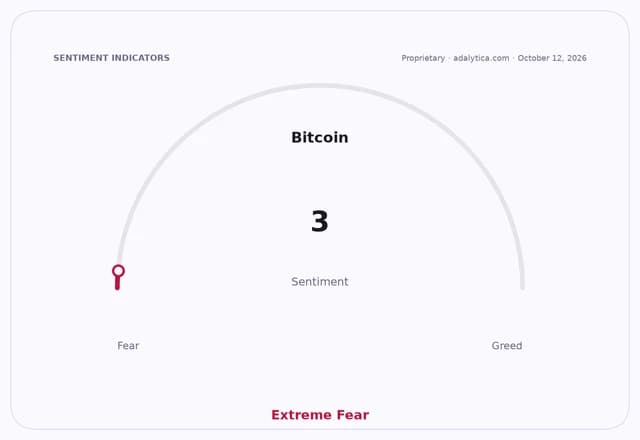
Sentiment IndicatorsⓘProprietary · adalytica.com · October 12, 2026
This is a snapshot — live sentiment, awareness and momentum for 130+ markets update continuously in the dashboard.Open AlphaPulse
CryptoQuant data put whales behind roughly 77% of XRP’s seven-day exchange outflows, versus 22.8% for retail participants. On Binance alone, large holders accounted for about 81% of withdrawals, a sign that the biggest players dominated the flow. Reported Binance reserves slipped to about 2.631 billion XRP from 2.704 billion on Sept. 26, while Upbit’s balance fell to 6.415 billion from roughly 6.446 billion on Sept. 11.
That said, the XRP flow picture is not a straightforward bullish verdict. CryptoQuant also showed 1.38 billion XRP leaving Binance over 30 days, a seven-month high, even as 1.6 billion XRP moved onto the exchange over the same period. That mix suggests active repositioning rather than simple accumulation, and it helps explain why the token has struggled to build momentum despite the reserve decline.
XRP was last trading around $1.36, below its 50-day moving average near $1.43 and not far above its 200-day average around $1.28. The daily RSI near 25 shows the token is deeply oversold but not yet signaling a clean reversal. For traders, $1.36 is the immediate line to watch: a decisive break lower would bring $1.33 and then $1.28 into play, while a recovery through $1.50 to $1.52 would be needed to argue that outflows are starting to translate into real demand.
Bitcoin’s message is more clearly bearish in the near term. Lookonchain said four newly created wallets deposited $1 million in USDC into Hyperliquid and opened 40x short positions on 148.49 BTC, with a notional value of about $12.5 million, shortly before bitcoin slid below $84,000. The timing is notable, but it also underscores a broader point: in a market already under stress, concentrated leverage can accelerate the move both ways.
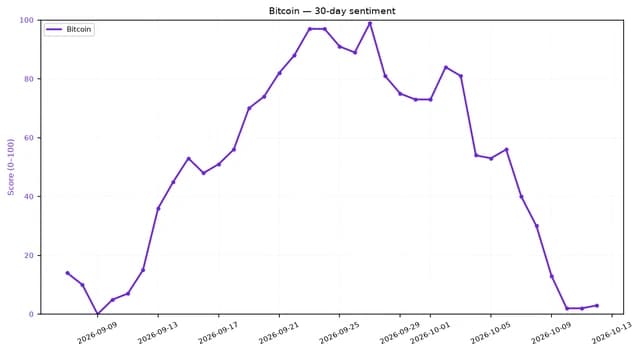
Bitcoin was last around $82,420, with short-term technical support clustered near $81,950 and resistance around $86,000 to $87,000. The token remains above its 50-day average near $81,035, but the drop has left it with RSI readings around 45, well off the euphoric levels seen earlier this year. Adalytica’s Bitcoin Fear & Greed Index sits at 3, or extreme fear, while its U.S. dollar signal shows greed, a combination that typically reflects defensive crypto positioning rather than healthy risk appetite.
For investors, the takeaway is less about which signal is “right” and more about what confirms first. If XRP reserves keep falling and price stabilizes above near-term support, the supply story could start to matter. If Bitcoin reclaims $86,000 and short positioning starts to unwind, the current decline may prove corrective rather than structural. Until then, crypto remains a market where exchange flows, derivatives and liquidations are doing much of the price discovery.
| Entity | Gains | Losses |
|---|---|---|
| XRP whales | ▲Lower exchange supply | ▼Short-term price confirmation risk |
| XRP bulls | ▲Tighter circulating supply | ▼Weak momentum below moving averages |
| Bitcoin shorts | ▲Downside positioning gains | ▼Squeeze risk on rebound |
| Long-only crypto traders | ▲Potential oversold bounce | ▼Liquidation losses in volatility |