Yamaha’s struggle to keep pace in MotoGP matters because it is no longer just a racing problem — it is a test of whether a once-dominant manufacturer can still win in a sport that now rewards speed of development more than legacy.
Yamaha MotoGP Spending, V4 Engine, 2027 Reset
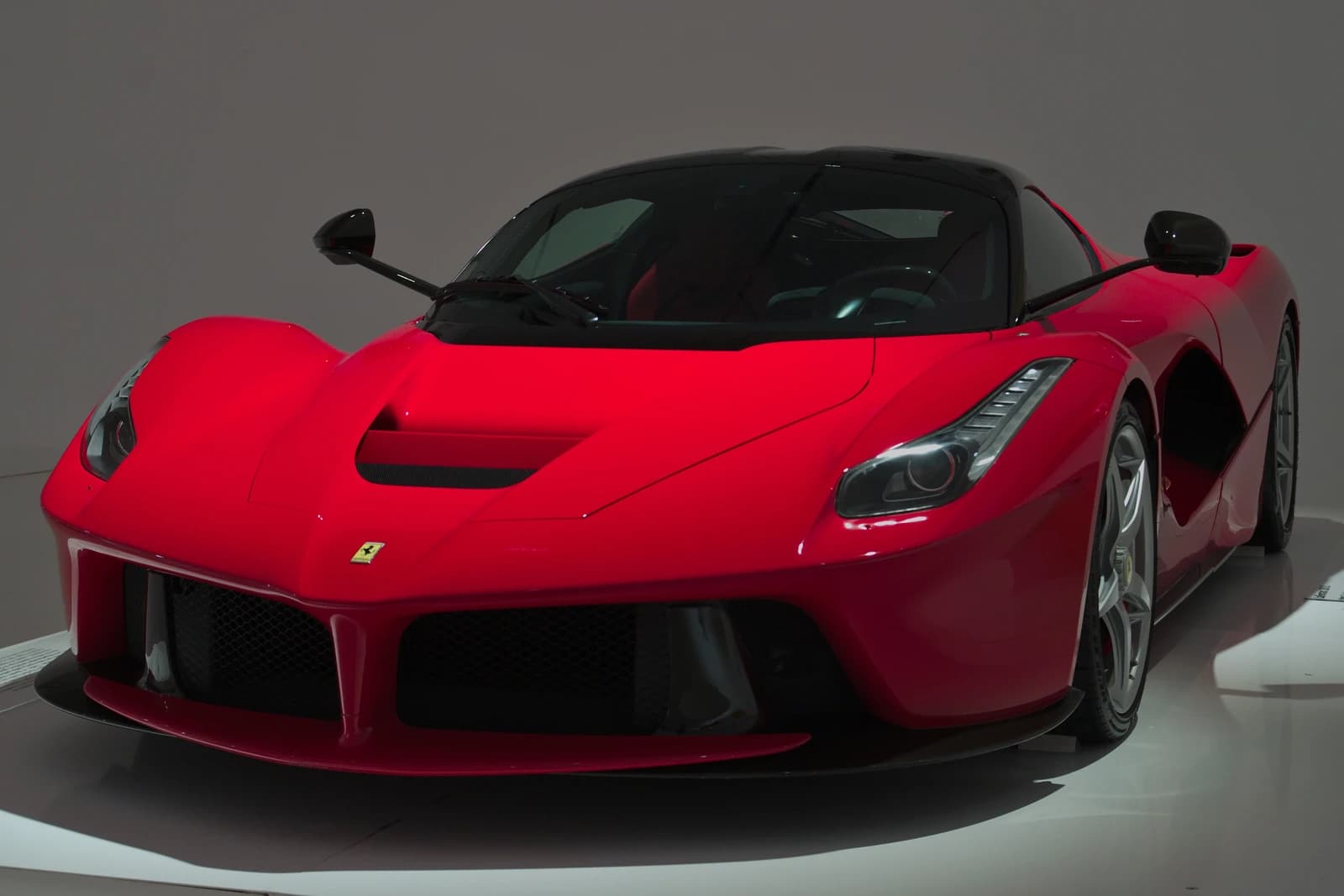
The comparison with Ferrari in Formula 1 is more than rhetorical. Both brands carry enormous histories, both remain among the best-known names in global motorsport, and both are finding that reputations built on past championships do not offset structural lag when rivals innovate faster. For Yamaha, the warning sign is stark: it has not won a MotoGP race since 2022, despite spending an estimated 60 million euros a year on the program, roughly triple Aprilia’s reported 20 million-euro outlay.
Sentiment IndicatorsⓘProprietary · adalytica.com · October 1, 2026
This is a snapshot — live sentiment, awareness and momentum for 130+ markets update continuously in the dashboard.Open AlphaPulse
That gap in spending has not translated into competitive advantage, which is the real investor and industry takeaway. It suggests the issue is not just budget discipline but execution, engineering philosophy and organizational agility. Fabio Quartararo, Yamaha’s 2021 world champion, has publicly criticized the team for being too cautious and too slow in development, saying it has not taken enough risk and has lagged behind European manufacturers. In a category where small technical gains can swing competitive balance quickly, that is a material handicap.
Yamaha has begun to respond. It has added Pramac as a satellite team and is switching to a V4 engine for the next regulatory cycle. Those are meaningful structural changes, but they also underline how much ground still needs to be made up. The longer Yamaha waits to adapt, the more its brand value in the paddock risks being defined by decline rather than engineering leadership.
Ferrari offers the clearest parallel. In Formula 1, prestige has not protected it from long championship droughts, and the same dynamic is now visible in MotoGP: incumbency is not enough when rivals move faster, iterate more aggressively and embrace technical change earlier. Honda’s own improvement, as Quartararo noted, adds another layer of pressure, because it shows that the path back is possible — but only if the response is decisive.
The 2027 regulation reset is therefore the pivotal catalyst. If Yamaha uses the new rules to break with its conservative development culture, it could still re-enter the front rank. If not, the comparison with Ferrari will become less about history and more about a prolonged decline that sponsors, partners and riders cannot ignore. For investors in listed motorsport names and suppliers, the broader lesson is that competitive moats in elite racing are shrinking; the winners will be the manufacturers that can turn capital spending into faster technical adaptation, not just bigger budgets.
| Entity | Gains | Losses |
|---|---|---|
| Yamaha | ▲Benefits from 2027 reset if it adapts | ▼Loses ground if development stays slow |
| Ferrari | ▲Reinforces cautionary prestige narrative | ▼Faces renewed comparison with stagnation |
| Honda | ▲Gains if recent improvement continues | ▼Loses if progress proves temporary |
| Quartararo | ▲Gains leverage with stronger teams | ▼Loses patience with Yamaha’s pace |