Yamaha is pulling back thousands of its MT-09 and Tracer 9 big bikes after a defect in its new Y-AMT automatic manual transmission raised the risk of shifting failure — a setback that matters because it touches two of the company’s flagship models just as riders are being asked to trust a more sophisticated, higher-margin technology.
Yamaha recalls MT-09 and Tracer 9 over Y-AMT defect
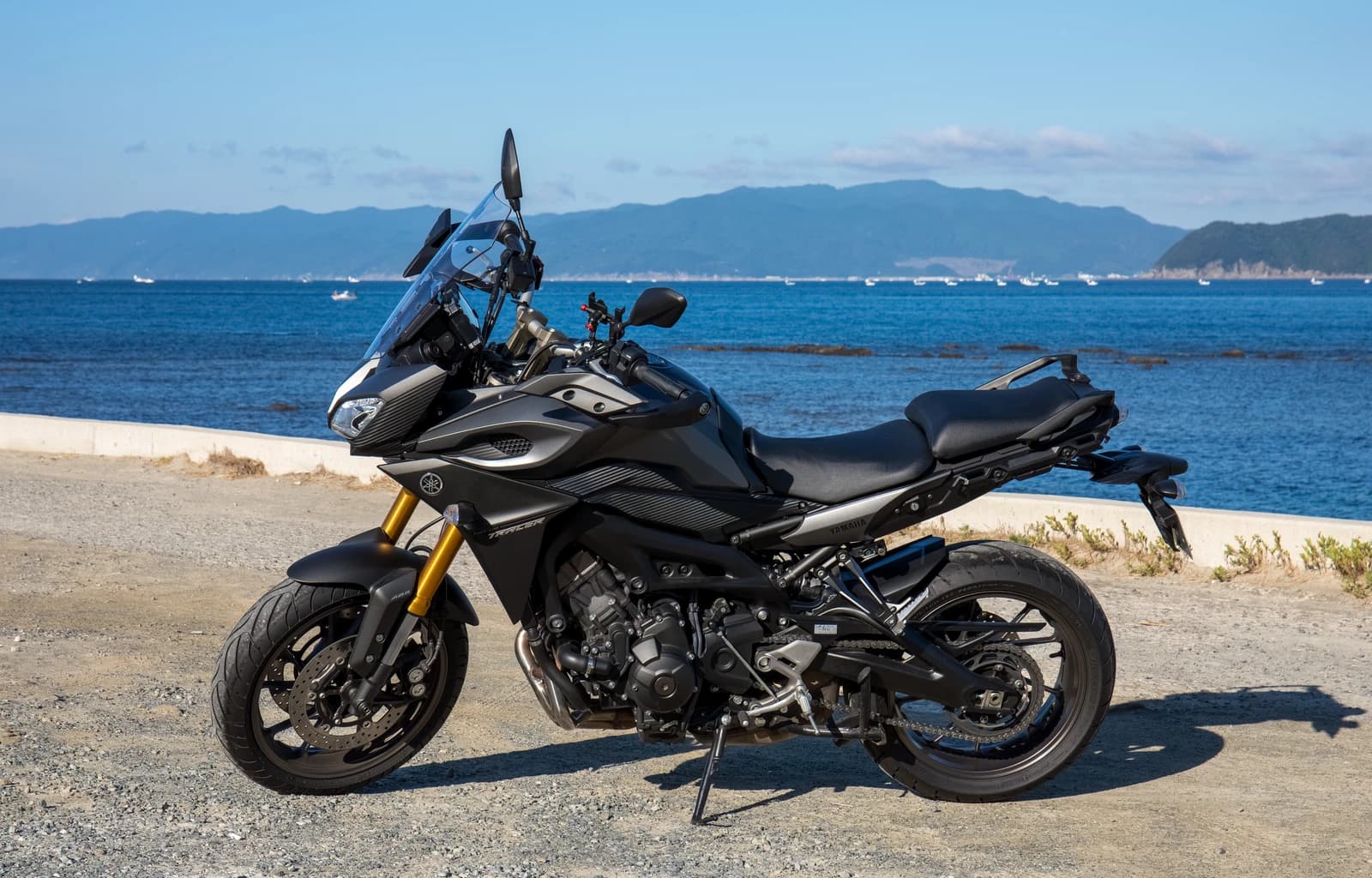
The recall centers on the gearshift shaft inside the Y-AMT system, which can crack under repeated use. If that happens, riders may struggle to change gears and warning lights will come on; in the worst case, the transmission could fail altogether. For Yamaha, that is more than a mechanical nuisance. It goes straight to the heart of product confidence, and confidence is what premium motorcycle brands sell alongside horsepower.
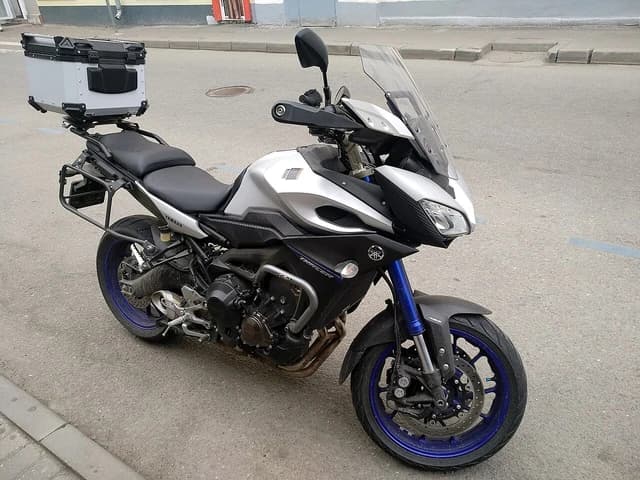
That makes this a meaningful quality-control issue for investors watching Yamaha’s motorcycle franchise. Big bikes are a smaller part of the overall market than mass-market scooters, but they carry more brand cachet and typically help support pricing power, margins and showroom traffic. A recall on those models can dent short-term profitability through repair and replacement costs, but the bigger risk is reputational: if early adopters start doubting a new drivetrain technology, Yamaha may have to spend more on testing, redesign and warranty support before it can fully monetize the innovation.
The market has already shown how sensitive Yamaha shares can be to execution around its lineup. Yamaha Motor’s U.S.-traded ADRs have risen sharply over the past year, but the stock has also been volatile, with momentum indicators such as the 50-day moving average and RSI showing that sentiment can swing quickly when news turns. That is exactly why recalls matter to long-term investors: they are not just one-off headlines, but reminders that execution risk can interrupt even strong secular stories in mobility and premium leisure vehicles.
For now, the recall does not change the broader appeal of Yamaha’s motorcycle business, which still benefits from demand for higher-end bikes and new riding technologies. But it does reinforce a simple investing lesson: durable franchises are built on reliability, not just innovation. Investors with a multi-year horizon will want to watch whether Yamaha fixes the defect quickly, contains warranty costs and restores confidence in Y-AMT, because the answer will tell you far more about the long-term value of this platform than the recall announcement itself.
| Entity | Gains | Losses |
|---|---|---|
| Yamaha | ▲Long-term trust if fixed fast | ▼Near-term costs and reputation |
| Riders / owners | ▲Safety inspection and repairs | ▼Downtime and inconvenience |
| Competitors | ▲Potentially easier comparison | ▼Less direct upside |
| Long-term investors | ▲Clearer view of execution risk | ▼Short-term uncertainty |