Zebra Technologies posted strong revenue growth and wider margins in its latest quarter, but the stock still slid sharply as investors dumped the shares in a broader earnings-driven tech selloff.
Zebra Technologies Shares Fall After Strong Quarter

The drop shows how quickly the market is punishing even solid results when risk appetite fades. Zebra’s latest 10-Q showed Connected Frontline segment net sales surged 47.3% to $750 million in the third quarter, while gross margin improved to 54.1% from 49.7% a year earlier, helped by tariff recoveries, product mix and currency.
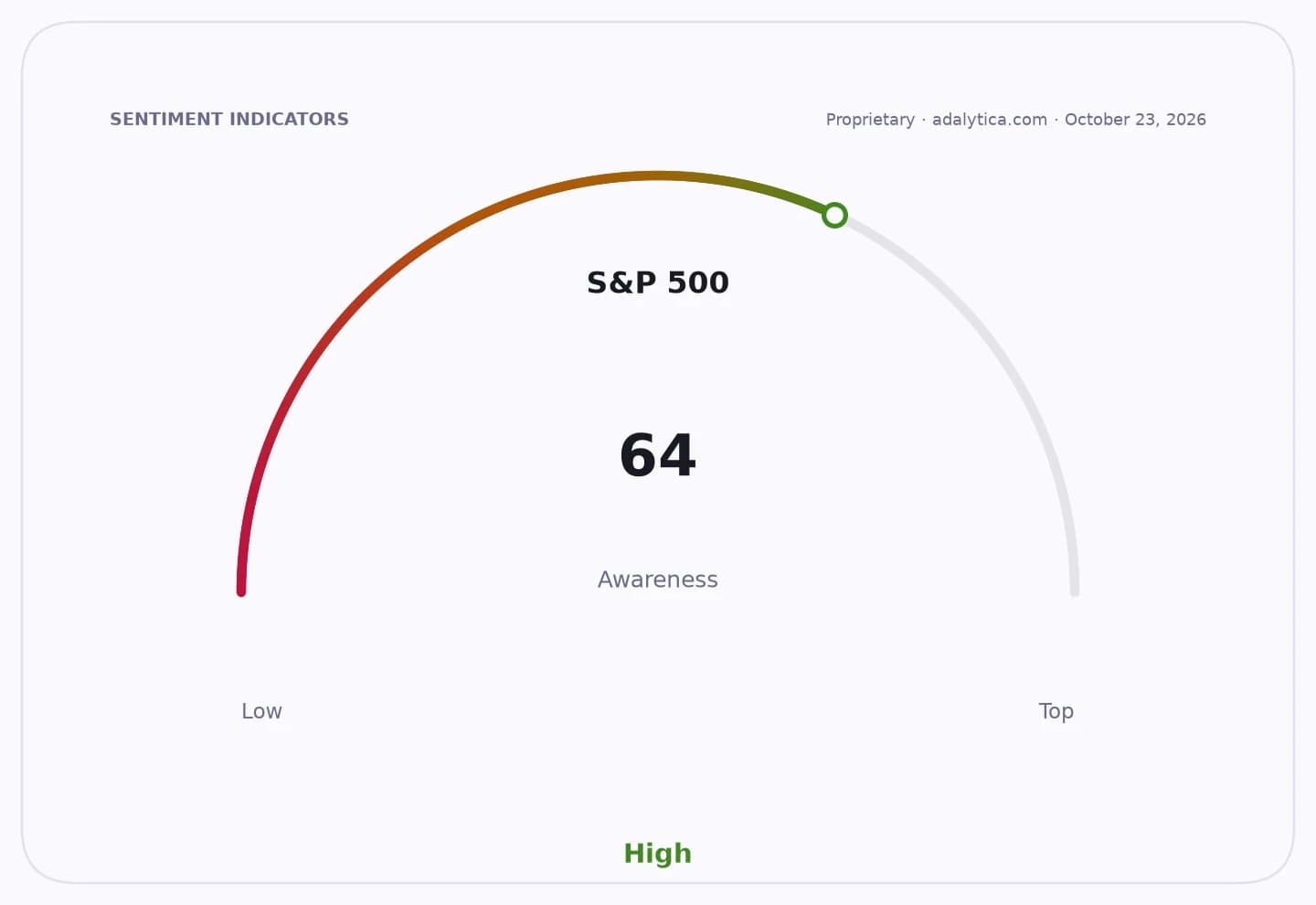
Sentiment Indicators

That fundamental improvement did not stop the stock from breaking lower. Zebra closed at $332.44 on Nov. 4, down from $391.00 on Oct. 21, a nearly 15% decline in less than two weeks, even after a brief rebound from Monday’s 8% drop. Volume has also surged, with more than 2 million shares changing hands on Nov. 3, well above recent trading levels.
The move comes as tech shares are under pressure more broadly, with investors fretting about AI spending, weaker risk sentiment and the possibility of an earnings slowdown across the sector. The S&P 500 snapshot from Adalytica.com showed sentiment at neutral, but awareness at “Extreme Greed,” a setup that often leaves crowded trades vulnerable to sharp reversals.
Technically, Zebra’s shares have lost the 50-day moving average and the stock is now trading closer to the lower end of its recent range, with the RSI in the high 20s and MACD momentum still negative, pointing to continued downside pressure unless buyers step back in.
For investors, the key question is whether Zebra’s growth and margin gains can outweigh a market that is no longer rewarding good earnings with higher valuations. The next catalyst is whether the company can convince traders in coming commentary or guidance that demand remains strong enough to justify the recent run-up and cushion the stock from further sector de-risking.
| Entity | Gains | Losses |
|---|---|---|
| Zebra Technologies | ▲Higher revenue, stronger margins | ▼Share price, momentum traders |
| Long-term holders | ▲Better operating results | ▼Near-term valuation compression |
| Short sellers | ▲Downtrend confirmation | ▼Risk of sharp technical rebound |
| Tech sector peers | ▲Benchmark for demand resilience | ▼Broader earnings selloff pressure |