Zimbabwe’s appearance among the top five most reformed African nations in the Ibrahim Index on African Governance is a reminder that even deeply troubled economies can move in the right direction, and that progress on governance can matter more for investors than one headline growth number. For long-term investors, the significance is simple: better institutions, if sustained, are the foundation for lower risk, higher capital inflows and more durable returns.
Zimbabwe Governance Reform and Investor Risk
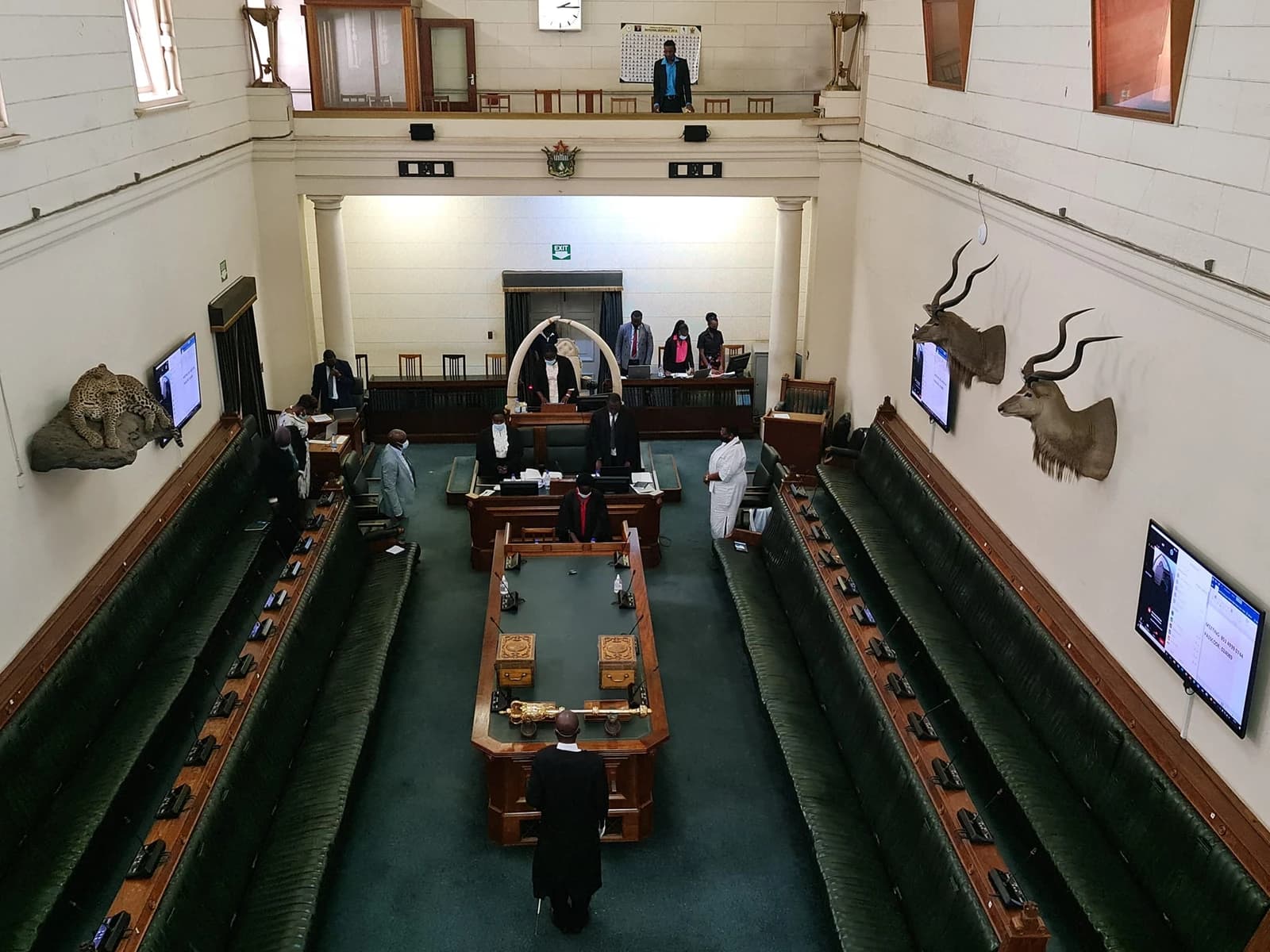
The ranking does not erase Zimbabwe’s very real political and economic problems. The country is still wrestling with governance failures, accusations of corruption, political unrest and a fragile democratic framework. But the IIAG’s decade-long view suggests reform is not just a slogan. That matters because governance improvements tend to show up slowly in the places markets care most about: policy predictability, contract enforcement, currency stability and the willingness of local and foreign investors to commit capital for years, not months.
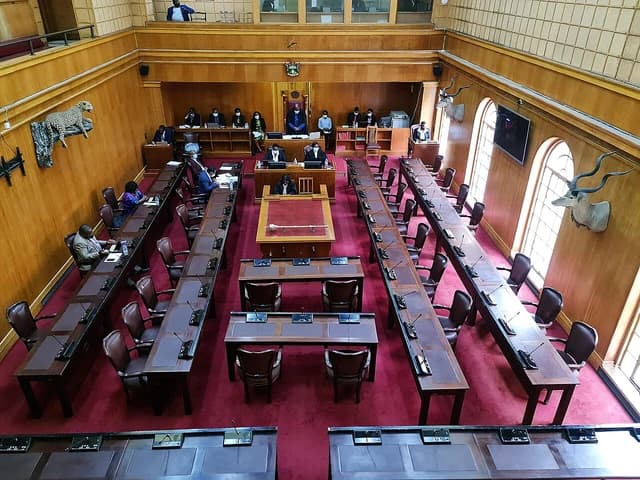
That broader theme is why the story reaches beyond Zimbabwe. In Africa, reform stories often get lost in the noise of crisis reporting, yet they are exactly what long-term capital needs to see before betting on frontier and emerging markets. South Africa’s listed Africa-focused funds, including the iShares MSCI South Africa ETF and broader Africa vehicles, often trade on expectations for regional stability and growth rather than any one country’s quarterly data. Zimbabwe itself is not a major equity market play for global investors, but its governance trajectory affects how investors assess the southern African investment climate as a whole.
The contrast with current market behavior is stark. South Africa’s equity and regional Africa funds have been volatile, reflecting doubts about growth, fiscal discipline and political execution. A country showing up as a reformer does not fix those concerns overnight, but it helps build the kind of narrative investors can underwrite: a gradual shift from crisis management toward institution building. That is the kind of change that can widen the investor base, lower the risk premium and support private investment in banking, infrastructure, agriculture and basic consumer industries.
Of course, investors should be cautious. Reform rankings are not the same as earnings, and they do not guarantee policy consistency. Zimbabwe’s history of instability, interventionist policy and weak governance means any progress needs to be tested over time. But when a country with such a difficult record starts showing up in reform league tables, it is worth paying attention. Those are often the early signs that today’s risk story could become tomorrow’s turnaround.
For investors with a multi-year horizon, the lesson is not to chase the headline. It is to watch whether governance gains translate into real economic credibility. If they do, Zimbabwe could become a more investable part of the African story — and that is exactly the kind of slow-burn change compounding investors should want on their watchlist.
| Entity | Gains | Losses |
|---|---|---|
| Zimbabwe reformers | ▲Credibility boost | ▼None if progress stalls |
| Long-term investors | ▲Lower country risk if reforms hold | ▼Short-term traders |
| Local businesses | ▲Better policy visibility | ▼Entrenched interests |
| Africa-focused funds | ▲Improved regional narrative | ▼Crisis-focused sentiment |