The International Monetary Fund says Malawi’s kwacha remains misaligned against major trading currencies even after authorities devalued it by 25% in May, putting fresh pressure on the government to accept more currency weakness to restore external balance.
Malawi kwacha still misaligned after 25% devaluation
That matters because an overvalued currency tends to drain foreign-exchange reserves, widen import costs and leave the central bank defending a rate that the market cannot sustain. For Malawi, where imported fuel, fertiliser, medicine and food are key to inflation and growth, the IMF’s assessment points to continued strain on households, corporates and public finances.
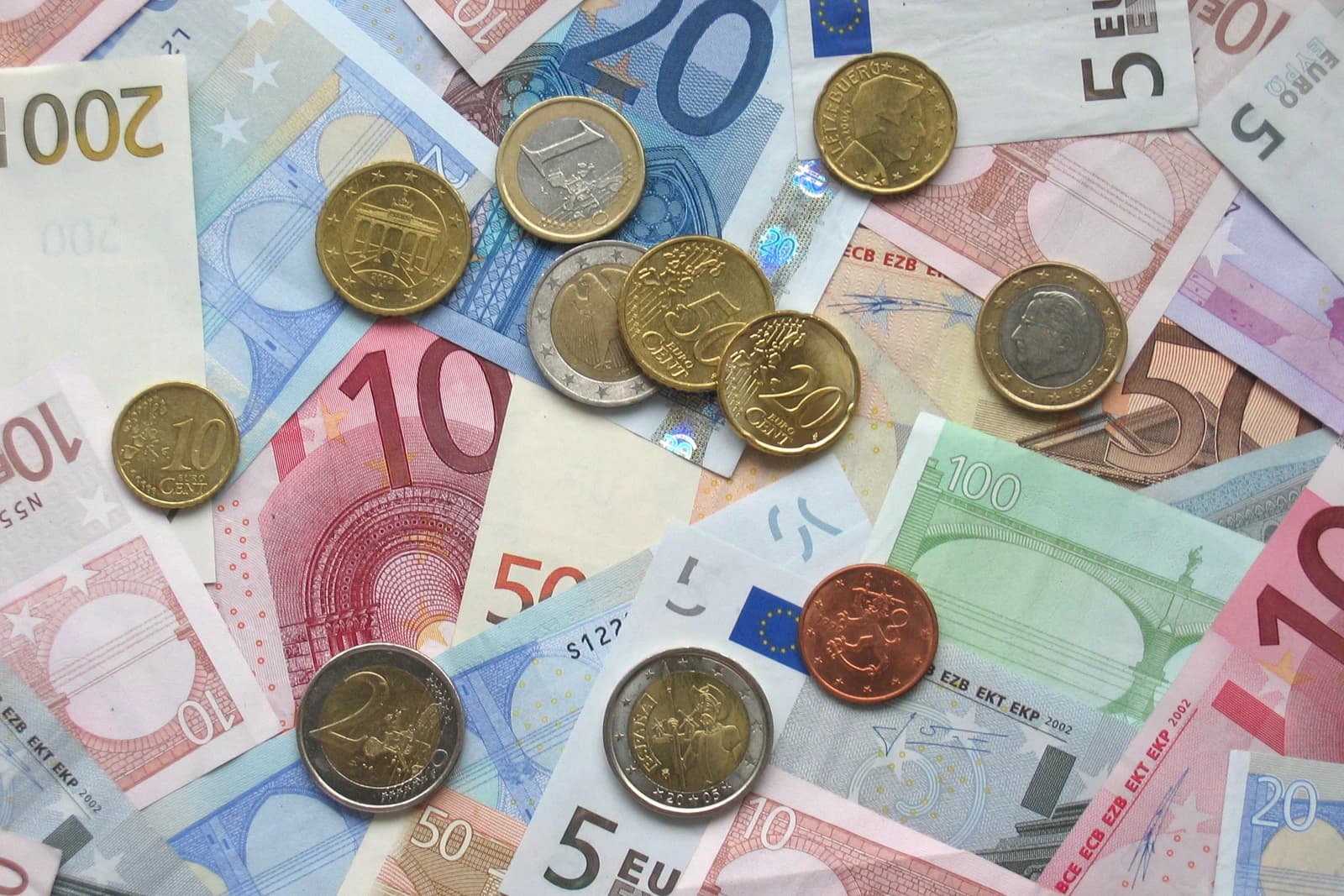
The Fund’s warning suggests the May move was not enough to close the gap between the official exchange rate and the level needed to support trade and capital flows. The kwacha remains misaligned versus the US dollar, pound, euro and South African rand, the currencies that matter most for Malawi’s imports, remittances and regional commerce.
For investors, the signal is clear: currency risk in Malawi remains elevated, and any assets tied to local-currency earnings face further downside if policymakers are forced into another adjustment. Importers and firms with hard-currency debt are the most exposed, while exporters and companies earning foreign exchange would stand to benefit from a weaker kwacha.
The IMF view also raises the odds of tighter policy and more difficult budget choices as authorities try to balance exchange-rate reform with inflation control and social pressure. The next catalyst will be whether Capital Hill and the central bank allow further depreciation or try to defend the currency through intervention and administrative measures.
| Entity | Gains | Losses |
|---|---|---|
| Exporters | ▲Better kwacha revenues | ▼Higher input costs |
| Importers | ▲None | ▼More expensive imports |
| Malawi government | ▲Possible external rebalancing | ▼Inflation and political pressure |
| Foreign-currency earners | ▲Stronger local conversions | ▼Domestic consumers |