Malawi’s inflation rate dropped to a four-year low in October, but the relief is fragile as food prices begin to reaccelerate ahead of the lean season and threaten to slow the central bank’s disinflation path.
Malawi Inflation Falls to 4-Year Low in October
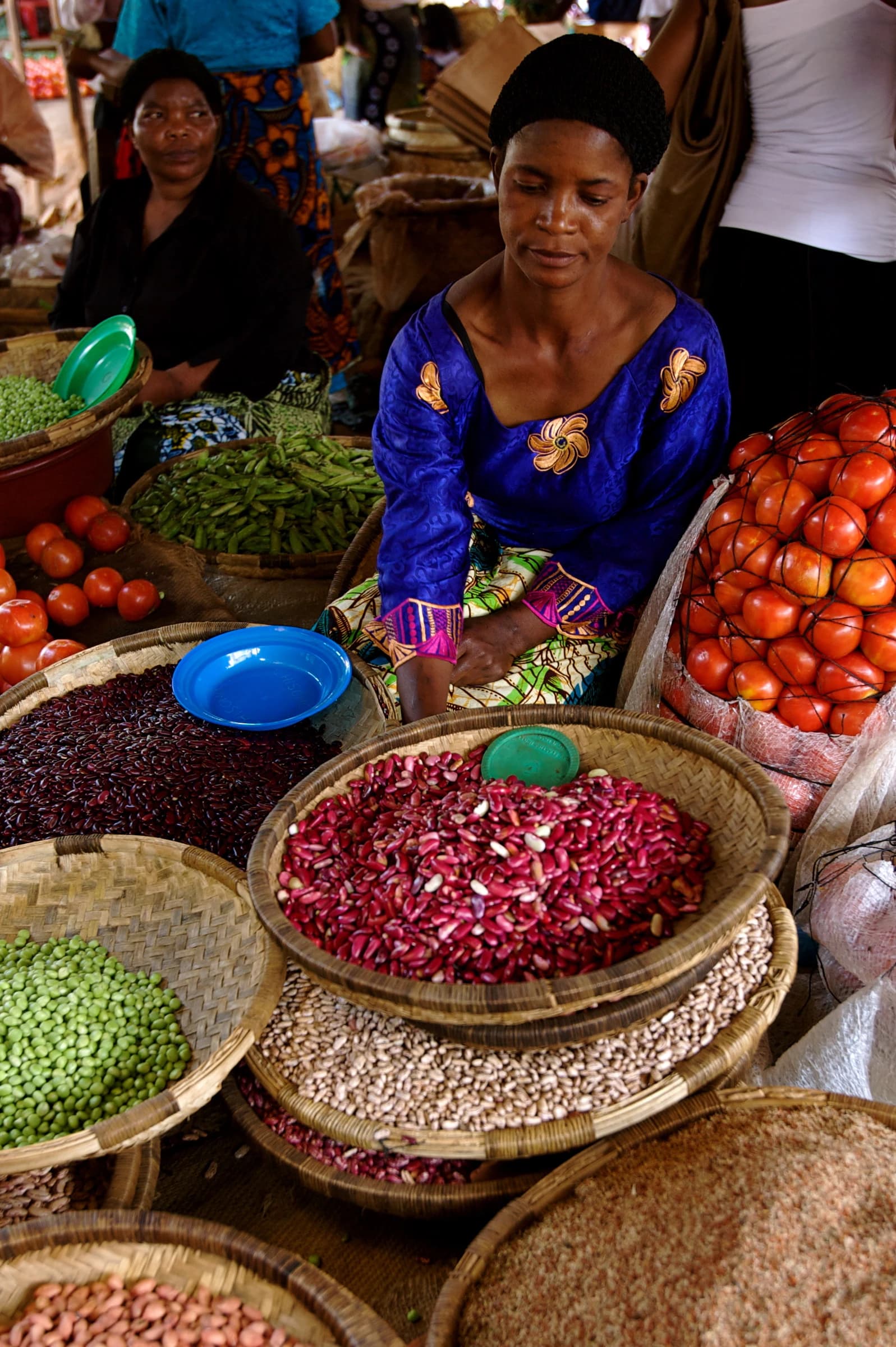
The National Statistical Office said headline inflation eased to 18.6% from 19.4% in September, the lowest reading since April 2022 and 10.5 percentage points below a year earlier. That marks a meaningful improvement for a country where inflation has been a central drag on household purchasing power, fiscal planning and monetary policy. But the composition of the decline shows why policymakers remain uneasy: food inflation rose to 12.8% from 12.5% month on month, while monthly food prices accelerated to 2% from 1.1%, suggesting pressure is building just as maize stocks tighten.

For investors and creditors, the distinction matters. Lower headline inflation supports real incomes, eases pressure on interest rates over time and helps stabilize expectations in a market long buffeted by foreign-exchange shortages and imported inflation. Yet the continued rise in food costs — the largest and most politically sensitive component of consumer spending — means the disinflation process is not yet secure. Malawi remains heavily exposed to agricultural supply shocks, transport bottlenecks and exchange-rate swings, so even a modest reversal in food prices can quickly undo broader gains.
The October reading is still 3.6 percentage points above the government’s 15% target for the end of the 2026/27 fiscal year, underscoring the gap between the recent improvement and the policy goal. Finance Minister Joseph Mwanamvekha has projected inflation will fall to 15% by March 2027, helped by easing food inflation and better macroeconomic conditions. But the Reserve Bank of Malawi has already turned more cautious, raising its 2027 annual average inflation forecast to 20% from 18.5% and projecting 22% for 2026, a reminder that the central bank sees disinflation proceeding more slowly than the government expects.
That divergence reflects the central issue in Malawi’s inflation story: non-food prices are easing, but food remains vulnerable. Principal Secretary for Economic Planning Kisu Simwaka said the decline in non-food inflation reflected relative exchange-rate stability, lower fuel pressures and soft demand, while food inflation was being driven by inadequate maize output, high transport costs, speculative hoarding and problems at the Agricultural Development and Marketing Corporation. Consumers Association of Malawi chief John Kapito said households are seeing little real relief because foreign exchange shortages and import costs remain elevated.
Economically, the next few months will be decisive. Simwaka said inflation could hover between 18% and 20% through December, with the lean season likely to put further pressure on maize prices. That is the main risk to the disinflation trend: if staple food prices keep climbing, they could feed into transport, retail and broader service costs, limiting room for monetary easing and keeping real wages under strain.
For markets, the outlook is mixed. A sustained decline in inflation would be supportive for domestic bonds, consumer confidence and macro stability, particularly if it helps anchor the kwacha and reduce imported-price pressures. But the upside case depends on food supply improving quickly through transparent grain releases, better input distribution and more investment in irrigation. The bearish case is that seasonal shortages, weak harvests and external shocks — including any renewed spike in oil prices — keep inflation sticky and force policymakers to maintain a tighter stance for longer.
For now, Malawi has made real progress on headline inflation. The test is whether it can stop food prices from taking back the gains.
| Entity | Gains | Losses |
|---|---|---|
| Consumers | ▲Slower headline inflation | ▼Higher maize and food costs |
| Reserve Bank of Malawi | ▲Easier inflation trend | ▼Less room to cut rates |
| Government | ▲Progress toward target | ▼Credibility if food inflation persists |
| Grain traders/importers | ▲Higher selling prices | ▼Households and wage earners |