Angola’s annual inflation eased in October to 8.16%, but the slowdown was modest and still leaves consumer prices rising fast enough to squeeze household spending, complicate monetary policy and keep pressure on domestic demand.
Angola Inflation Eases to 8.16% in October
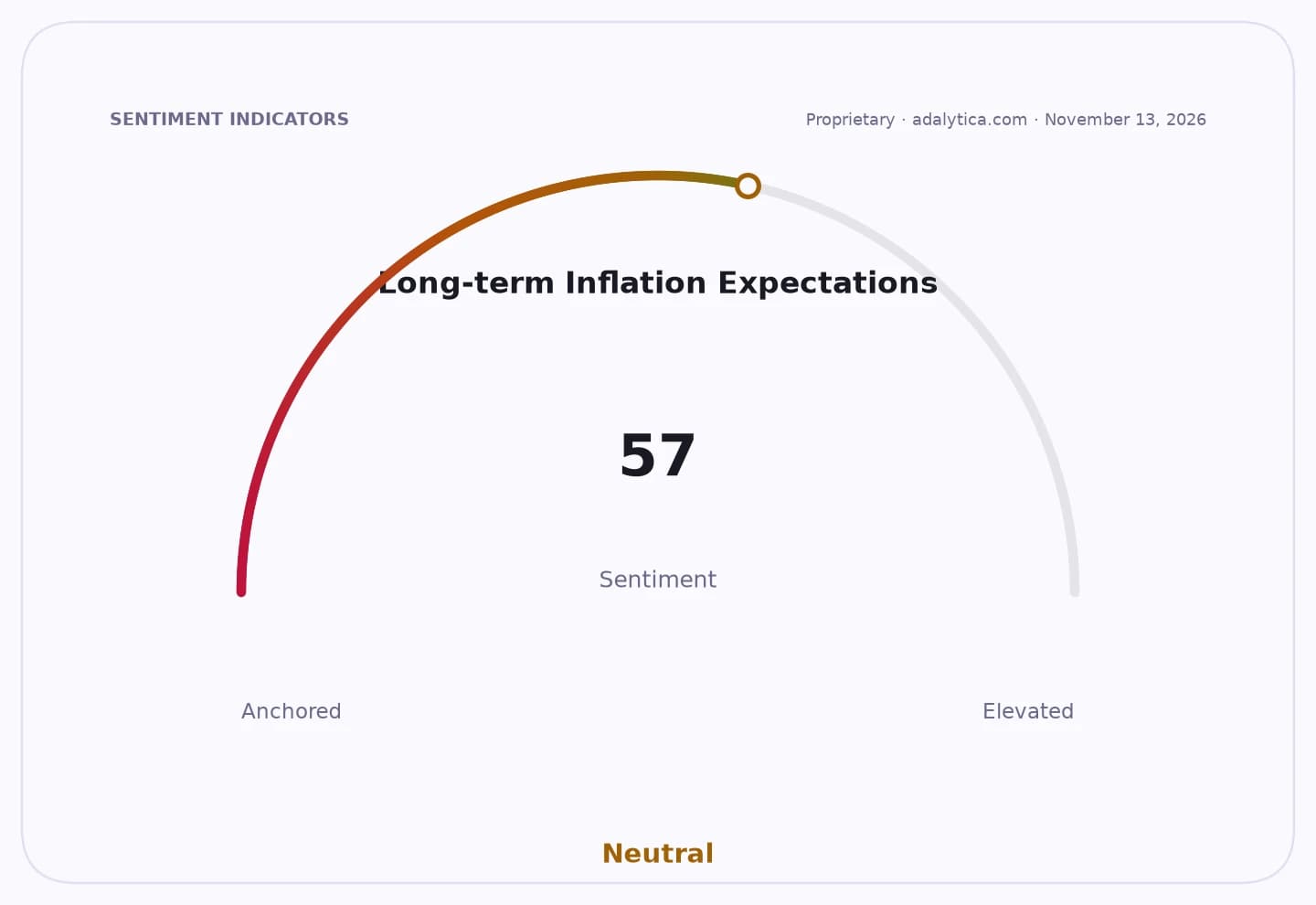
Long-term Inflation Expectations
The National Statistics Institute said the consumer price index slowed 0.27 percentage point from a year earlier, while rising 9.27% from September. For investors and policymakers, the key message is that disinflation is continuing, but not evenly and not yet decisively enough to suggest price pressures have been fully contained.
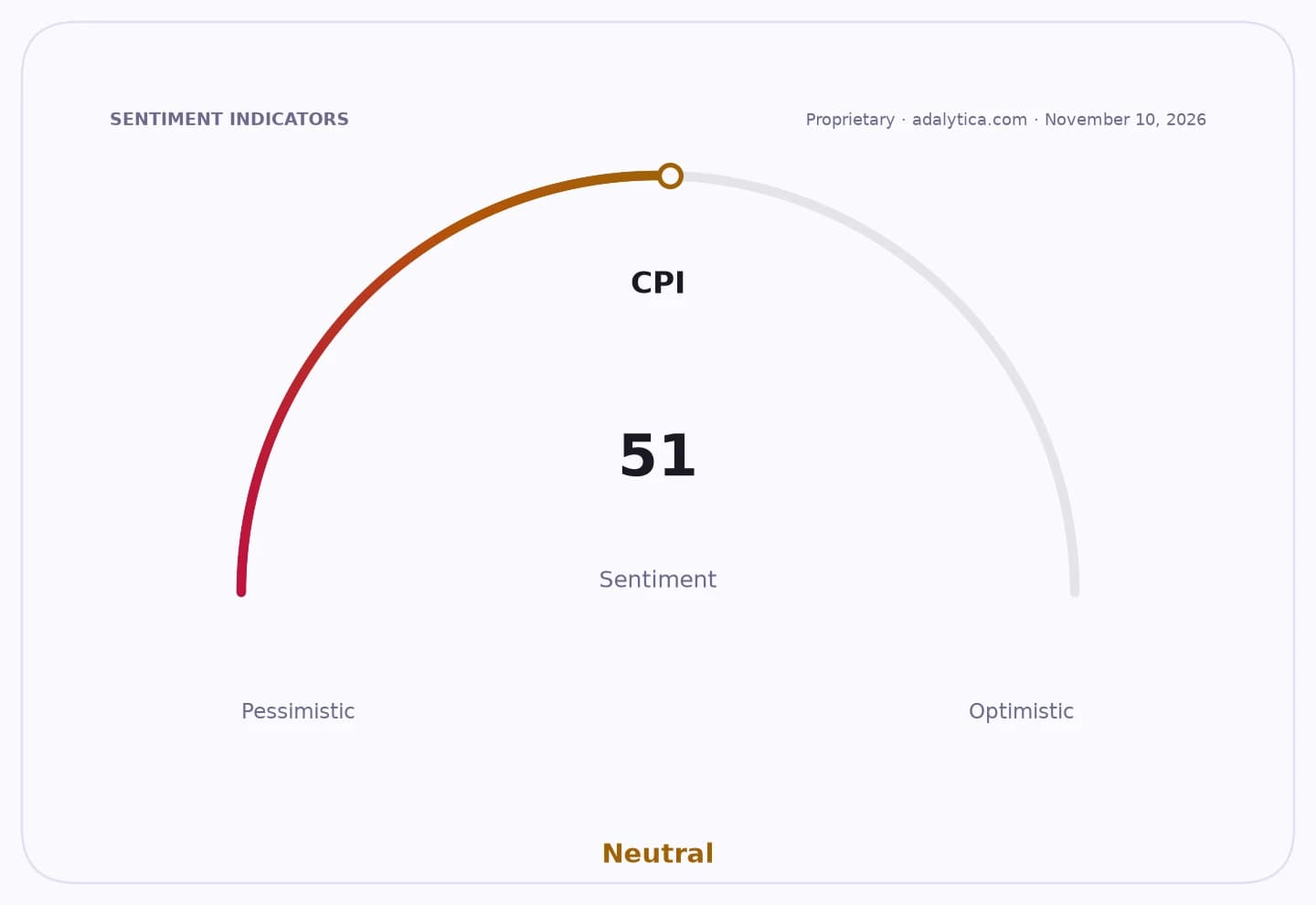
Sentiment Indicators
Food and education remain the main drivers of the cost of living. The “Food and non-alcoholic beverages” category was the largest contributor to the monthly increase in prices, adding 5.62 percentage points, followed by health, miscellaneous goods and services, and education. Education posted the fastest annual increase at 15.82%, while alcohol and tobacco rose 9.37%, food 9.28% and health 9.05%.
That mix matters economically because it points to persistent pressure on essentials rather than a broad-based, demand-led inflation surge. Inflation in staple goods and services tends to hit low-income households hardest and can erode real wages even when the headline rate is easing. It also makes it harder for the government to argue that the cost-of-living squeeze is fading quickly enough to support consumption.
The regional breakdown shows the inflation burden remains uneven across the country. Cuanza Norte recorded the mildest annual price growth at 5.97%, followed by Cuanza Sul at 6.35% and Lunda Norte at 6.38%. Cubango saw the steepest increase at 12.47%, with Cabinda at 10.31% and Malanje at 9.80%, underscoring how local supply conditions and transport costs can still shape price formation.
For investors, the significance is twofold. First, easing inflation improves the outlook for real household incomes and could eventually support consumer activity if the trend holds. Second, the pace of disinflation is still not fast enough to rule out a cautious central bank stance, especially if food and education costs keep climbing. In that sense, Angola looks more like an economy in gradual stabilization than one on the verge of a clean inflation reset.
The broader narrative is that Angola is getting some relief from the inflationary peaks seen elsewhere in recent years, but the fall to 8.16% is not yet a victory over price pressures. The next readings will matter for expectations around borrowing costs, fiscal planning and the health of consumer demand heading into year-end.
| Entity | Gains | Losses |
|---|---|---|
| Households | ▲Slower headline inflation | ▼Higher food and education costs |
| Angola policymakers | ▲More room to stabilize prices | ▼Limited relief from essentials inflation |
| Consumers in low-inflation provinces | ▲Lower cost pressures | ▼Residents in high-inflation provinces |
| Retailers and lenders | ▲Potentially steadier demand outlook | ▼Weak purchasing power |