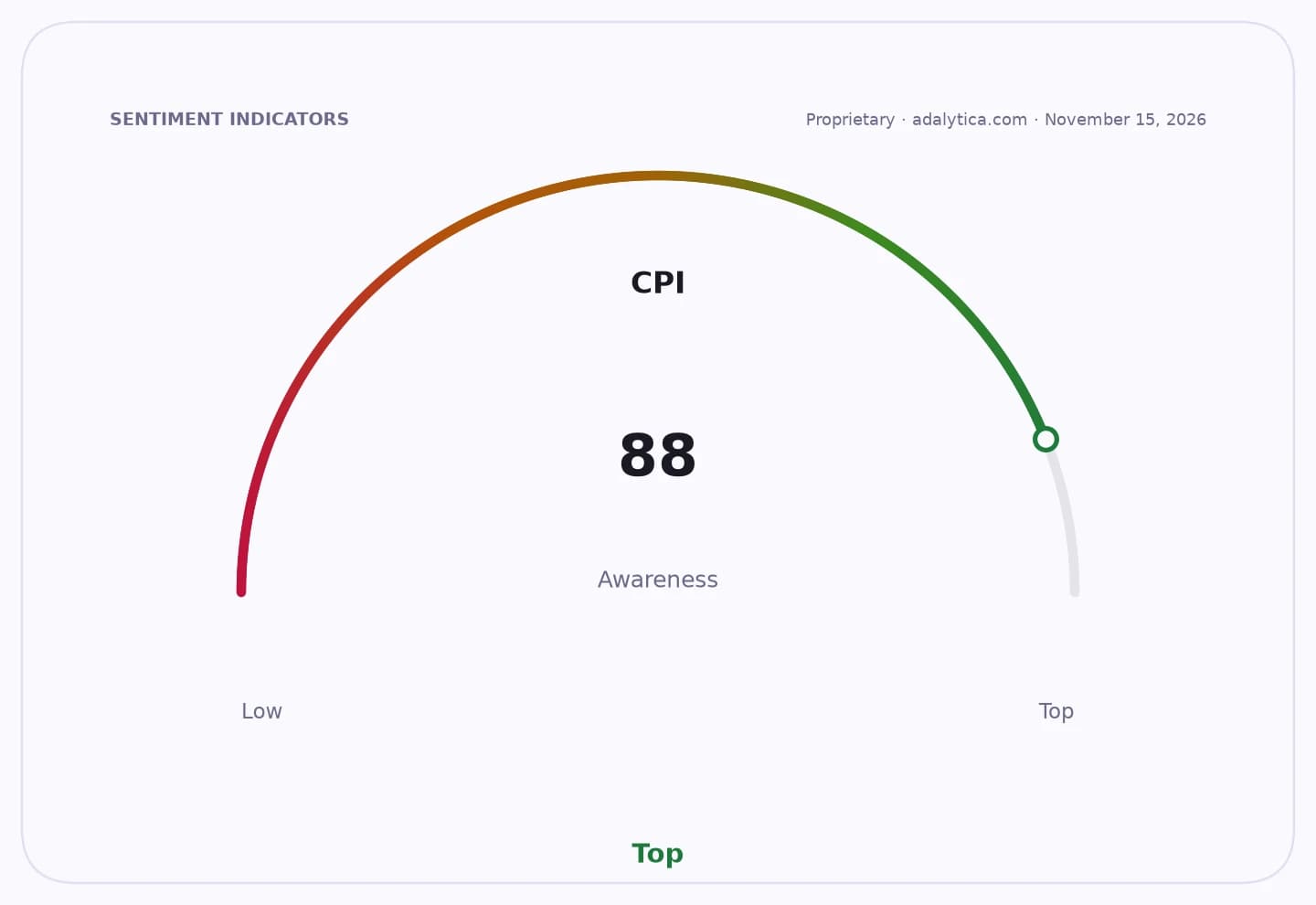
Libya’s inflation picture is worsening, and the pressure is coming from the place that hurts households most: food. The General Information and Census Authority said its latest report showed a rise in the general price index, with food and beverages accounting for 51.5% of annual inflation, underscoring how quickly basic living costs are eroding purchasing power and complicating the outlook for consumers, retailers and policymakers.
Libya inflation rises as food costs drive CPI
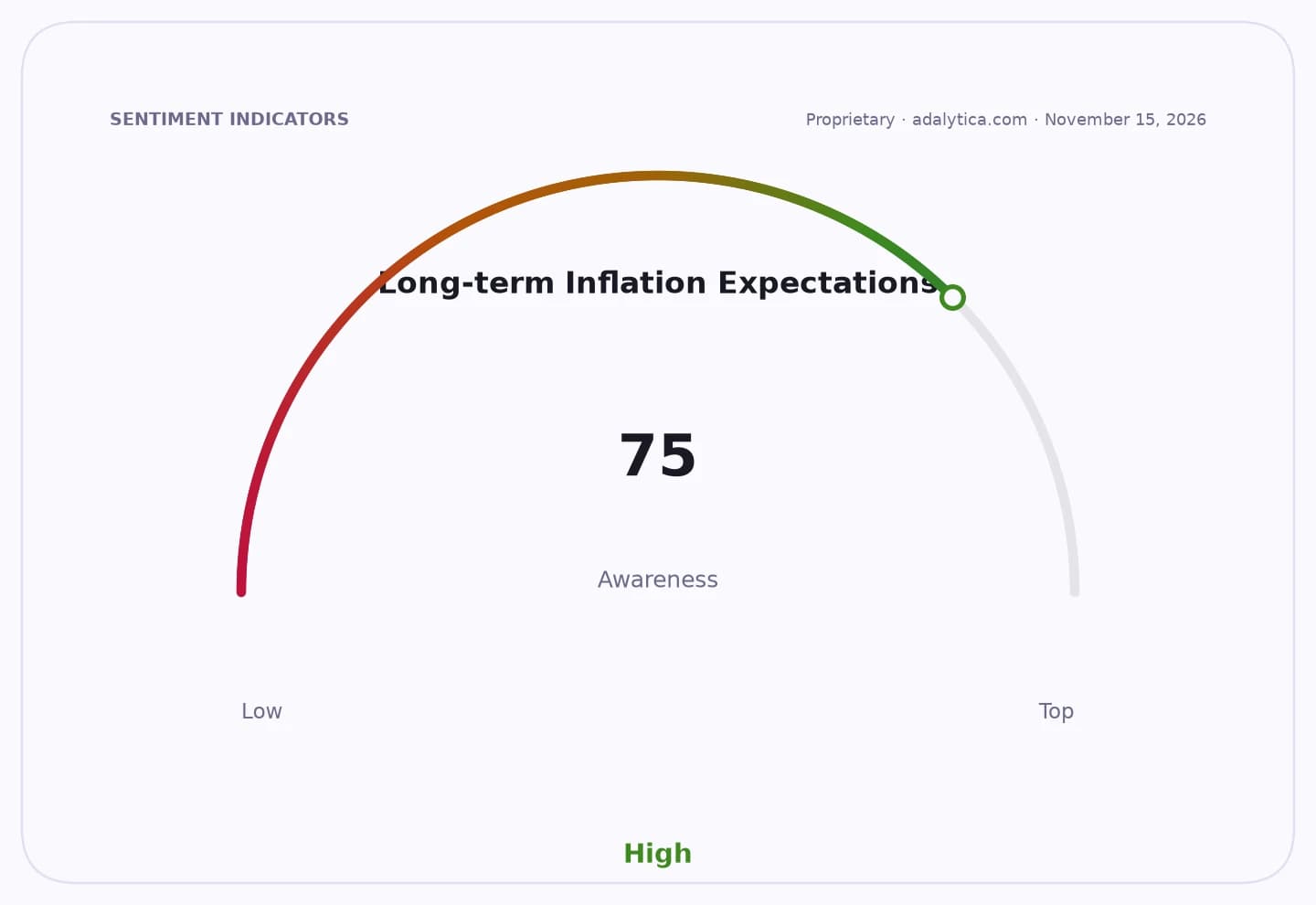
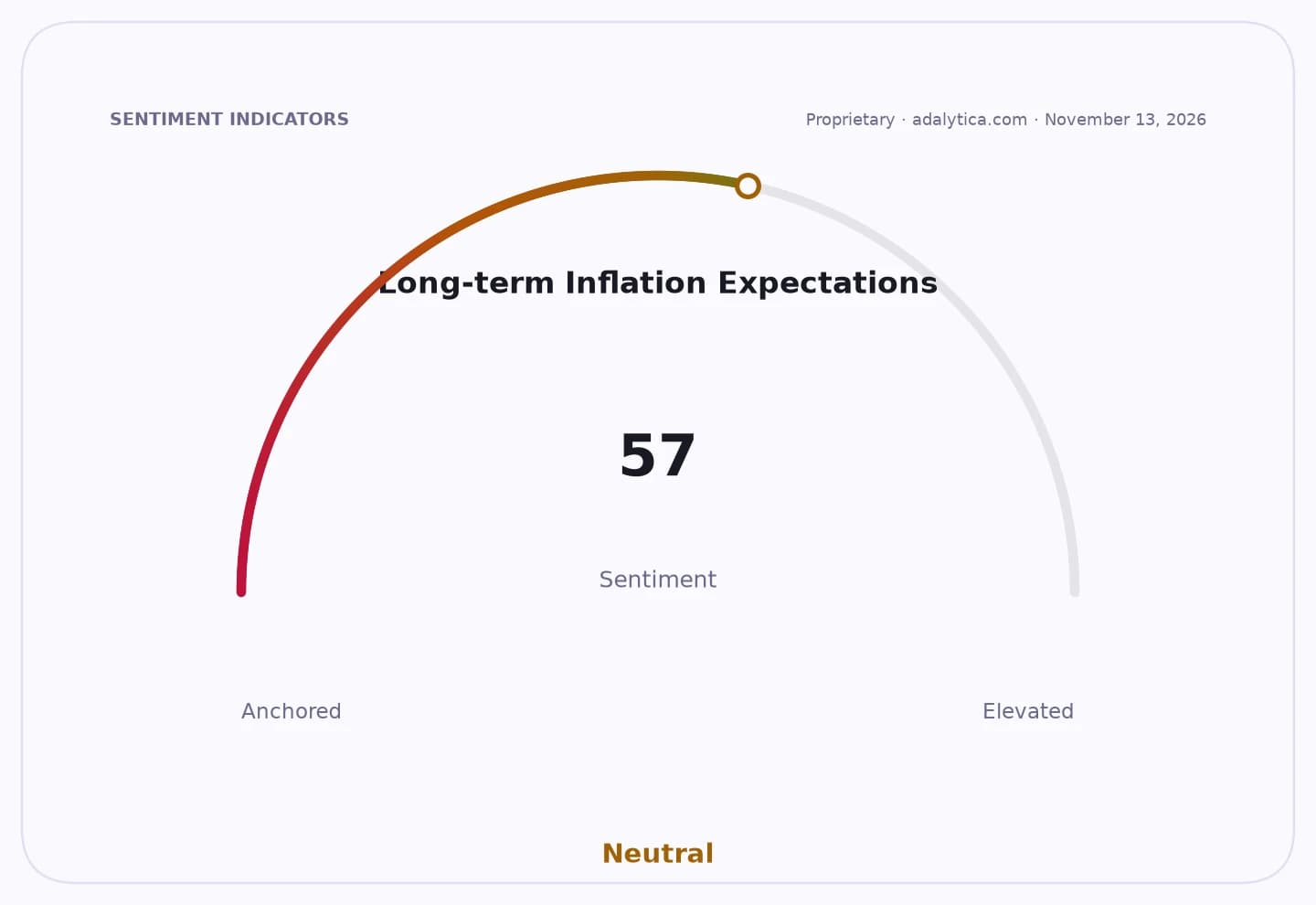
Long-term Inflation Expectations
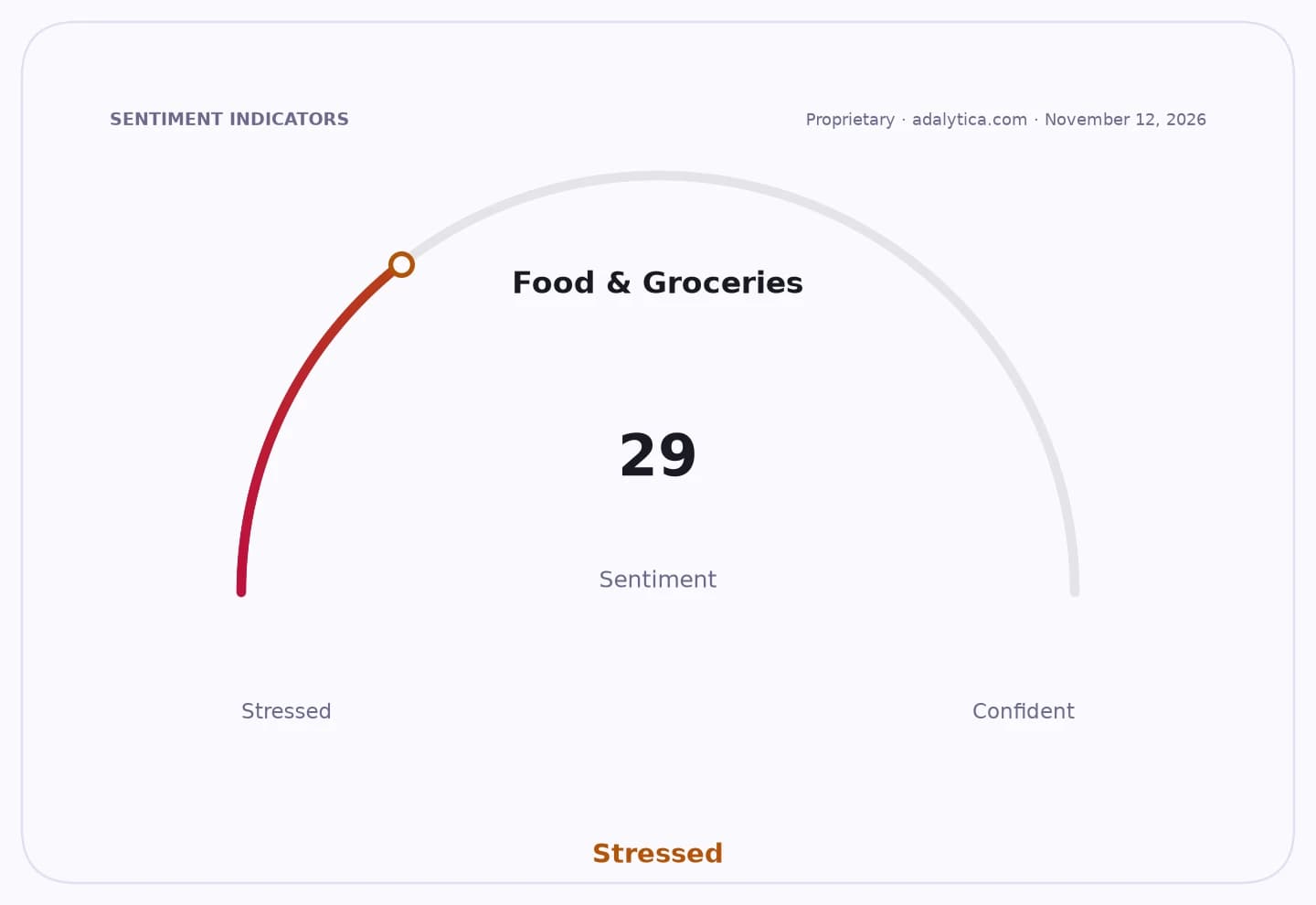
The biggest problem is not just that prices are rising, but that the rise is concentrated in essentials. Clothing and footwear posted the sharpest annual increase at 29.1%, followed by furniture and household equipment at 21.8% and food and drinks at 21.2%. Education had the smallest increase at 5.7%, but that does little to offset the strain on family budgets when food carries a 40.39% weight in the consumer price index. In other words, even moderate acceleration in staples has an outsized impact on the headline number.
Sentiment Indicators
That matters economically because persistent food inflation can feed into wages, rent negotiations and broader expectations. In economies where imports dominate daily consumption, higher prices often reflect currency weakness, supply bottlenecks or disrupted logistics as much as local demand. The result is a harder environment for real consumption growth and a broader squeeze on small businesses already facing thinner margins and weaker demand.
For investors, the message is that inflation in Libya is not broad-based growth inflation; it is cost inflation. That favors companies and sectors with pricing power, strong inventory management and exposure to essential goods, while pressuring discretionary retailers and import-dependent businesses. The market should also watch for any policy response that tries to stabilize prices, because that can quickly ripple through banks, importers and consumer spending.
The narrative is straightforward: Libya is dealing with an inflation shock led by necessities, not luxury spending, and that usually takes longer to fade than a one-off spike. Until food and other daily essentials cool, consumer stress will stay elevated and the economic benefits of any nominal growth will remain limited. For investors, the clearest opportunity lies in businesses tied to staples and distribution, while the biggest risk sits with anything dependent on stretched household budgets.
| Entity | Gains | Losses |
|---|---|---|
| Staple retailers | ▲Higher ticket sizes | ▼Volume-sensitive shoppers |
| Food importers | ▲Pricing power | ▼Margin pressure from volatility |
| Discretionary sellers | ▲— | ▼Weaker household demand |
| Households | ▲— | ▼Real income erosion |