Qatar’s inflation is heating up again, and that matters because the biggest price pressures are now hitting households in the places they feel most directly: groceries, leisure and housing.
Qatar inflation rises 4.09% in August

Consumer prices rose 4.09% in August from a year earlier, according to the National Planning Council, accelerating from July and marking a 0.52% month-on-month increase in the consumer price index to 103.3. The sharpest annual gains came from food and beverages, up 10.97%, followed by recreation, sports and culture at 10%, while housing, water, electricity and fuel climbed 4.40%.
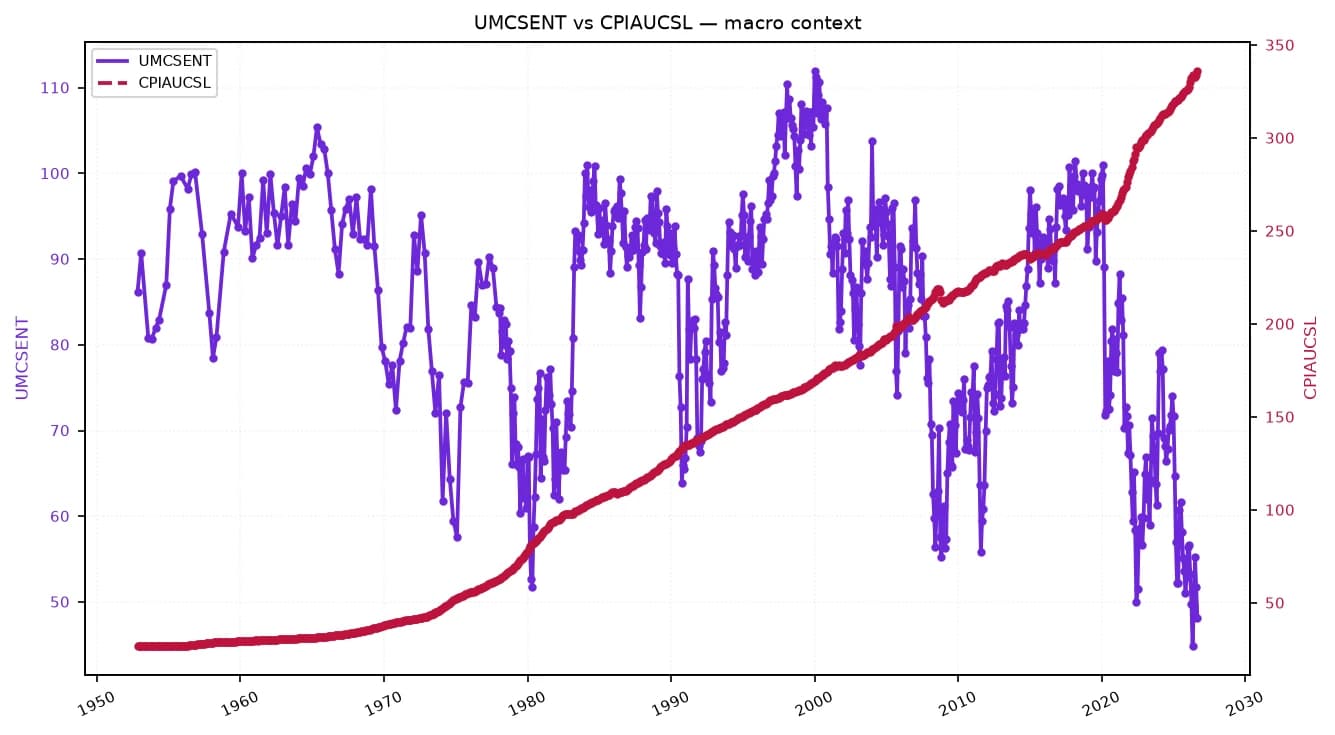
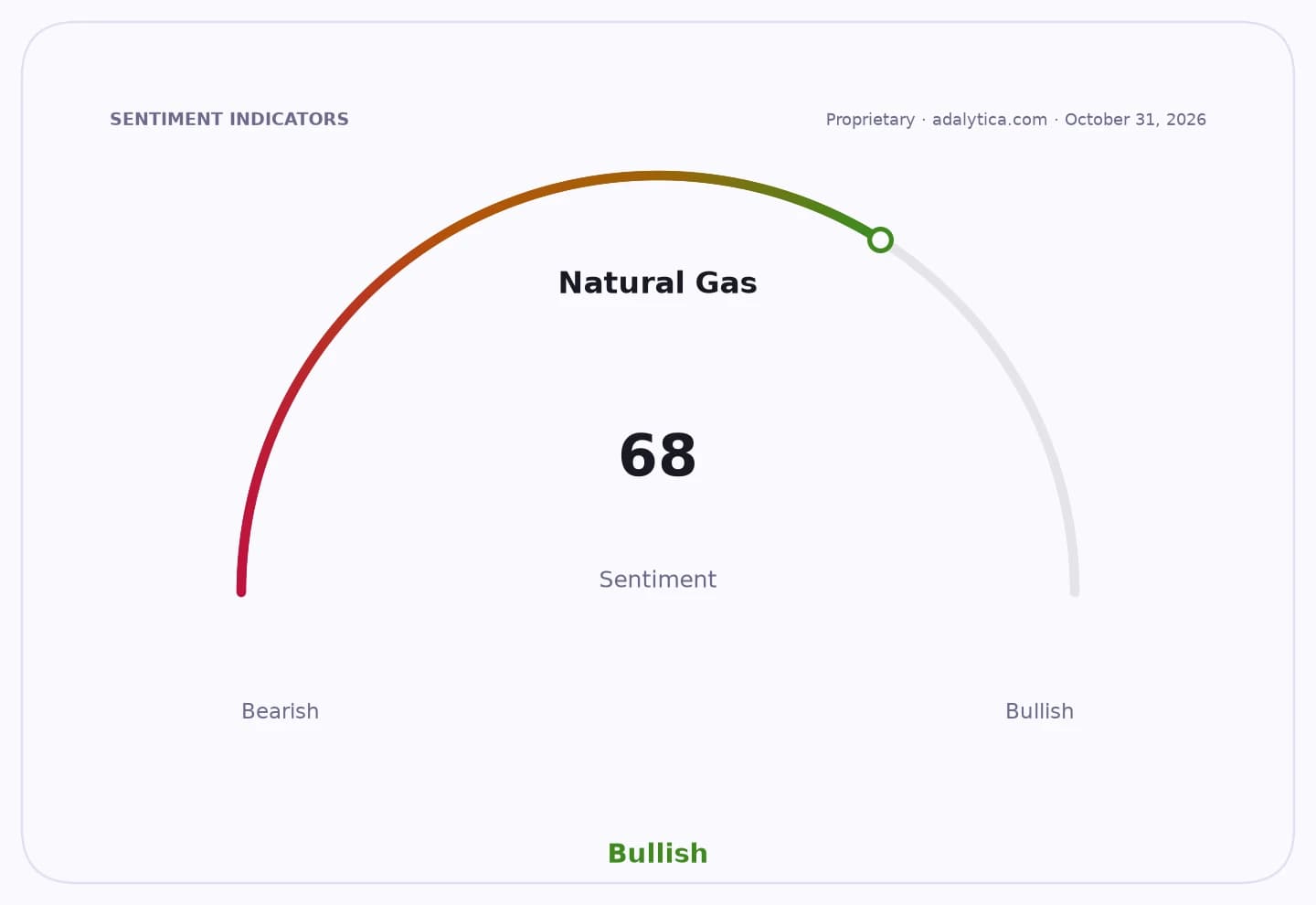
Sentiment Indicators

For investors, the key question is whether this is a one-off burst or the start of a more persistent inflation cycle. That distinction matters for every asset tied to Qatar’s domestic economy: consumer spending, retail margins, hospitality demand and the cost base for local businesses. Higher food and entertainment prices can squeeze discretionary budgets quickly, especially if wage growth does not keep up.
The data also point to a broader inflation mix that is becoming less comfortable. Personal care and miscellaneous goods and services rose 4.60% annually, while transport, beverages and tobacco, insurance and financial services were steady. That suggests the pressure is concentrated rather than widespread, but the size of the gains in core household categories will still shape how consumers behave into the final quarter of the year.
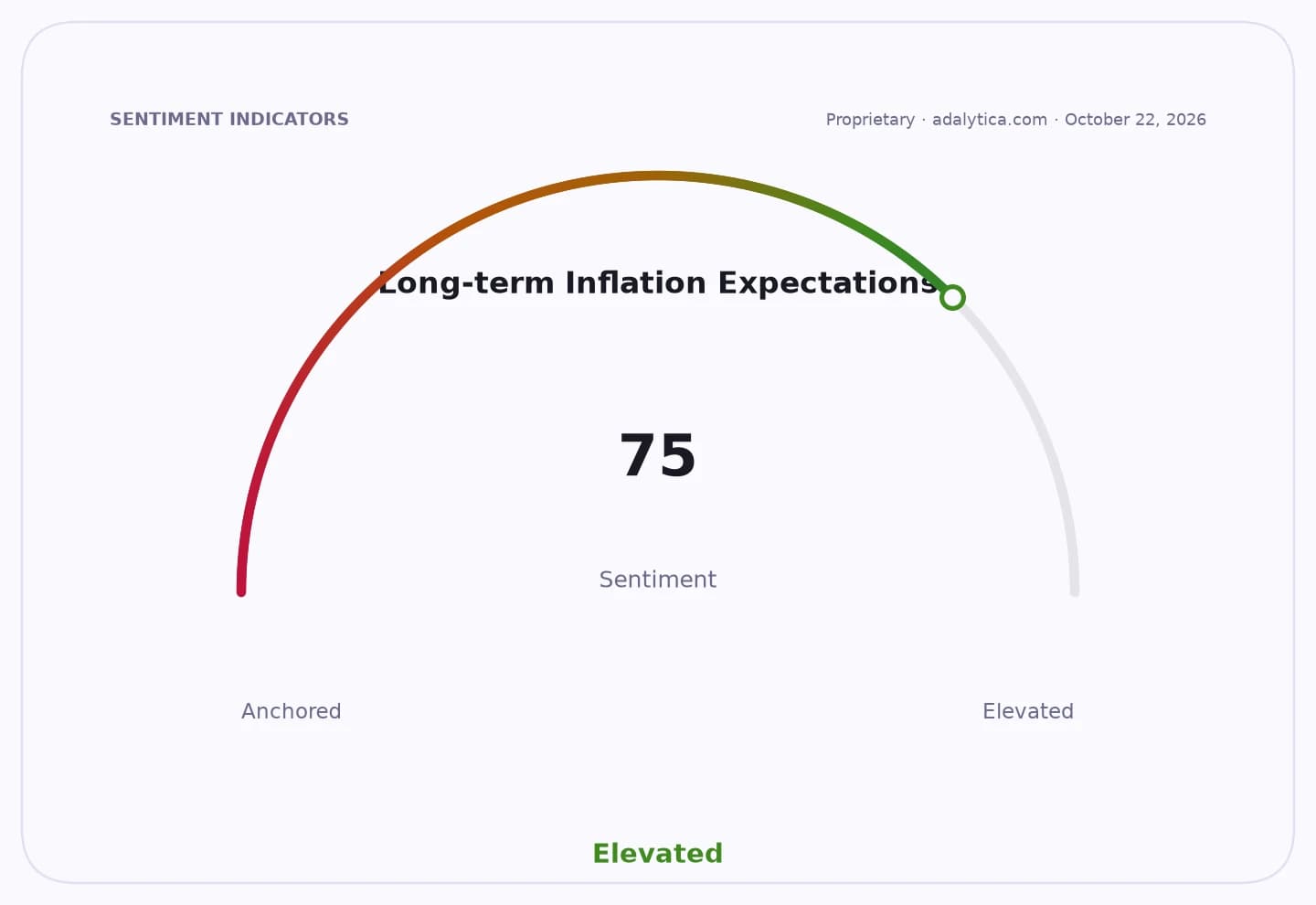
Long-term Inflation Expectations
Longer-term inflation expectations are still a critical watchpoint. Adalytica’s long-term inflation expectations sentiment gauge is in fear territory, while confidence in keeping inflation near central-bank targets has weakened. That does not change the official CPI reading, but it does underline investor sensitivity to any sign that price growth is becoming embedded.
For equity investors, Qatar’s inflation picture is a reminder that even wealthy Gulf economies are not immune to food-price shocks and stronger demand in consumer-facing sectors. Companies with pricing power may cope better; businesses exposed to volume-sensitive discretionary spending could feel the squeeze.
The main takeaway is simple: Qatar’s inflation problem is not broad-based yet, but the rise in food and leisure costs is enough to warrant attention. If those categories keep climbing, the pressure on household purchasing power — and on the domestic growth story — will become much harder to ignore.
| Entity | Gains | Losses |
|---|---|---|
| Food retailers | ▲Higher nominal sales | ▼Volume-sensitive households |
| Leisure and hospitality firms | ▲Stronger pricing power | ▼Discretionary consumers |
| Qatar households | ▲None | ▼Lower real purchasing power |
| Inflation-linked assets | ▲Better hedge demand | ▼Fixed-income holders |