Cheaper food in the Czech Republic looks to be nearing an end, with retailers and producers warning that prices are likely to start rising after months of helping keep inflation in check.
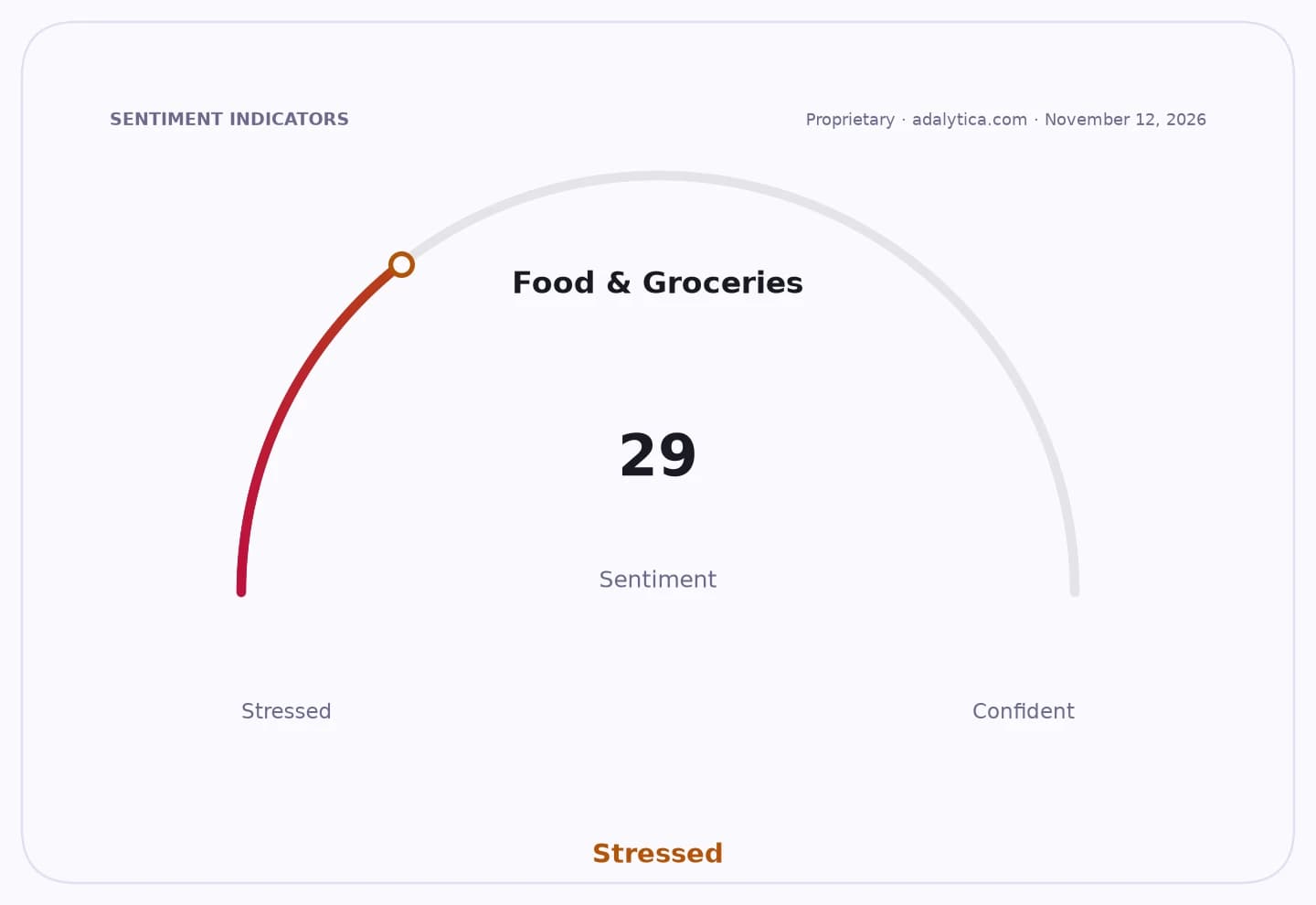
Czech food prices may rise again as costs climb
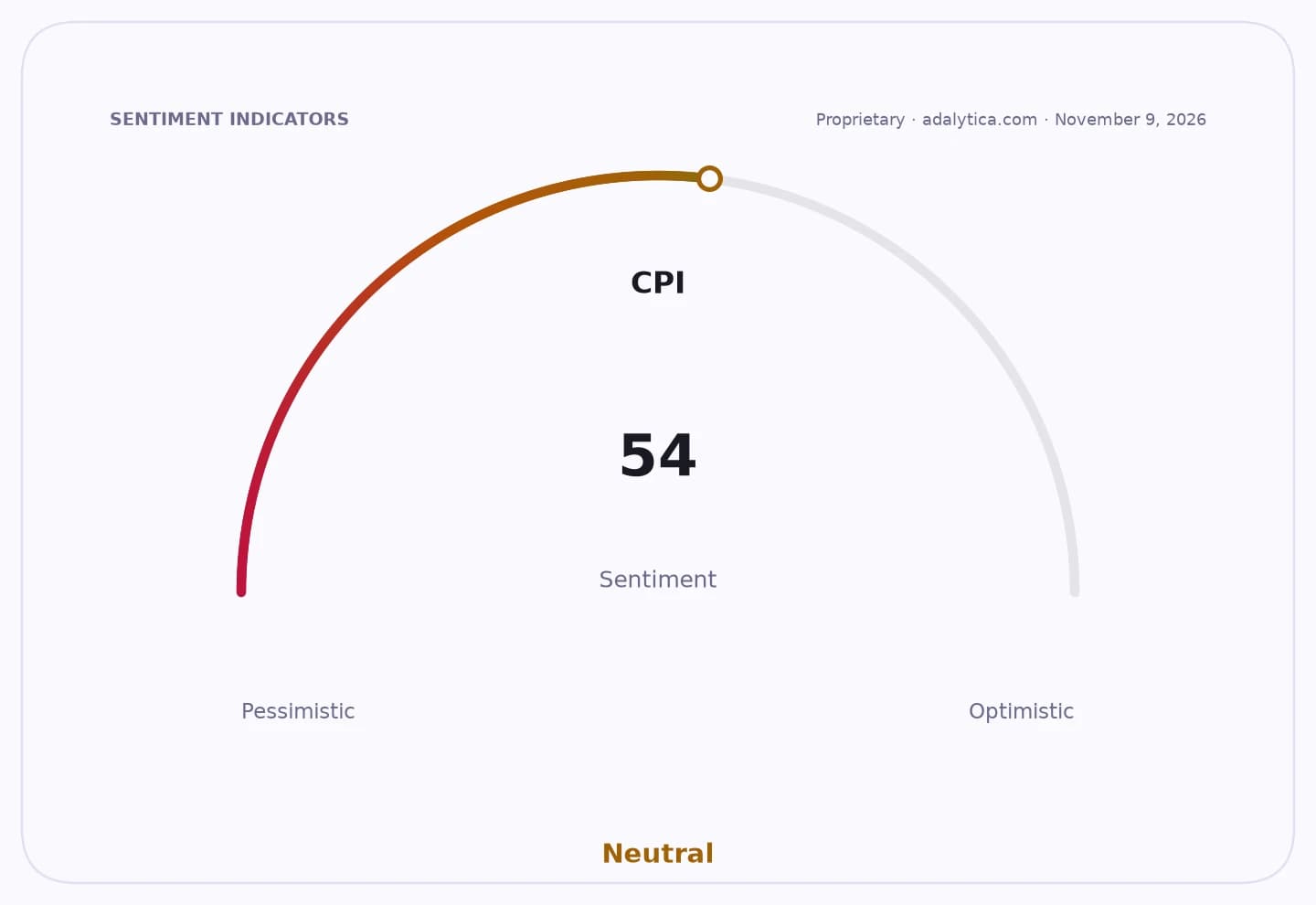
CPI
That matters because food has been one of the main forces dragging headline inflation lower, giving households some relief after the sharp price shock of recent years. If the category turns higher into year-end and especially from January, it would reopen a pressure point for consumer budgets and complicate the broader disinflation story that policymakers have been trying to preserve.
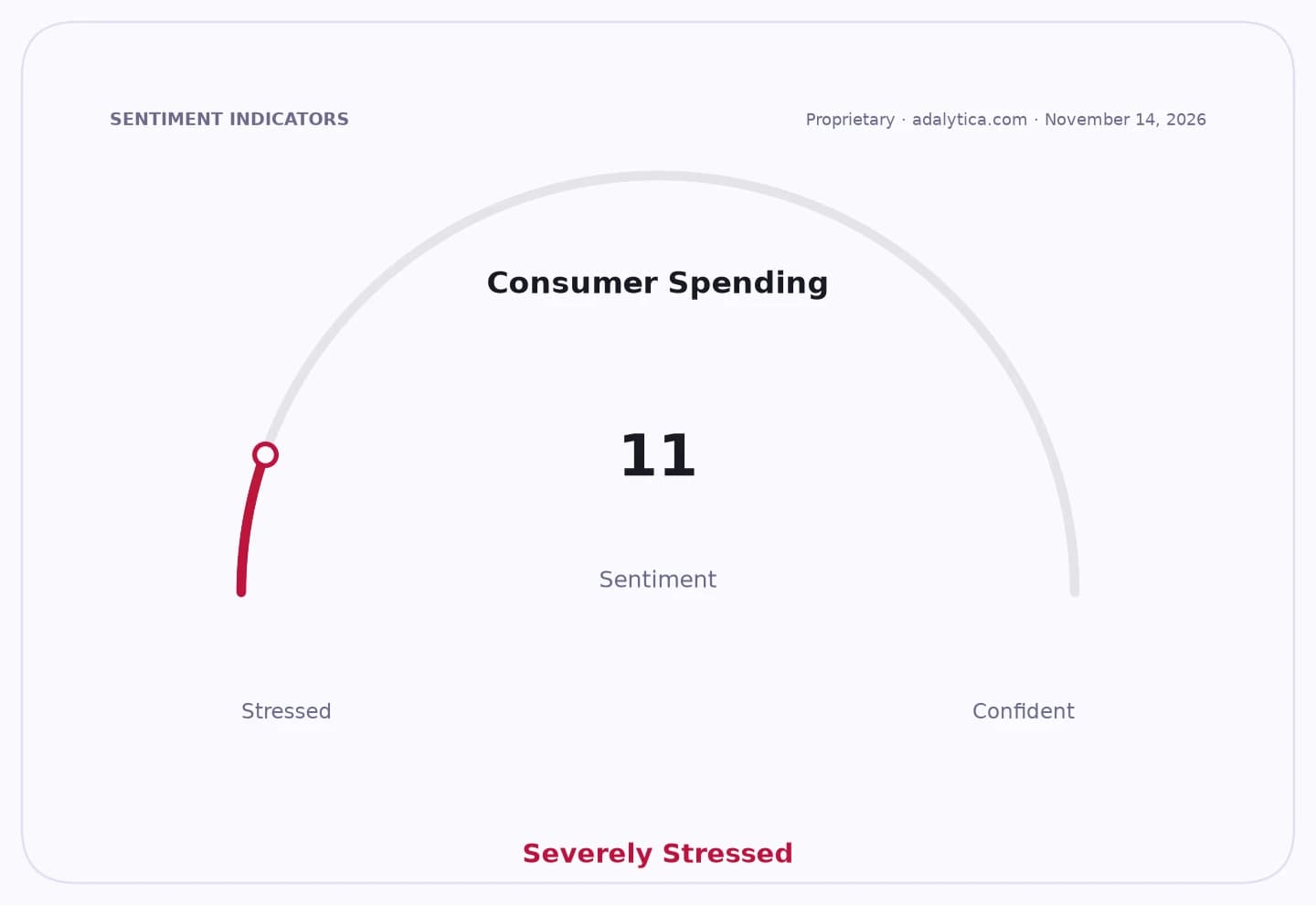
Sentiment Indicators
The warning comes as input costs are climbing across the chain. Agricultural prices have risen for two straight months, energy and fuel costs remain elevated and employers are facing higher wage bills. Industry representatives also point to rising packaging and waste fees, while a poor harvest this year has reduced crop output by as much as a quarter, according to farmers.
“In this moment food is still getting cheaper, but we are probably at the minimum of what is realistic,” Tomáš Prouza, head of the Czech trade and tourism association, said, adding that suppliers are already sending new price lists seeking “quite significant increases” from January.
Economists say the shift will likely start with plant-based food, then feed through more slowly to meat and other animal products. Deloitte’s chief economist David Marek said food-price inflation could average between 5% and 10% if commodity and energy prices stay high. Agricultural chamber head Jan Doležal said higher global oil and energy costs make more processed products more expensive to transport and produce.
The timing matters for consumers and retailers alike. Czech shoppers are already highly price-sensitive, with many turning to private-label products and cross-border shopping in Poland to save money. Online grocers are also gaining share as consumers chase discounts and convenience, a sign that spending habits remain shaped by inflation even as nominal sales rise.
Food inflation would also have broader economic consequences if it proves sticky. Higher grocery bills can quickly feed into overall consumer-price readings, limiting the scope for further monetary easing and potentially keeping real household purchasing power under pressure. For food producers and supermarket chains, the near-term picture is more mixed: rising prices may support margins, but only if volumes do not weaken further.
The next key test will be whether wholesale commodity prices and energy markets stabilize. If they do not, Czech shoppers could face a clear reversal from the recent period of declining food costs, with the strongest price increases likely to show up first in fresh produce and later in meat, dairy and processed items.
| Entity | Gains | Losses |
|---|---|---|
| Food producers | ▲Higher selling prices | ▼Costlier inputs |
| Supermarkets/retailers | ▲Better pricing power | ▼Weaker demand if inflation returns |
| Czech households | ▲— | ▼Higher grocery bills |
| Central bank/policymakers | ▲Easier inflation relief if prices stay contained | ▼Less room to cut rates |