Ghana’s inflation rate climbed to an 11-month high in October as transport and other service costs overpowered easing food prices, a mix that keeps pressure on the central bank even though headline inflation remains below its target band.
Ghana Inflation Rises to 11-Month High in October
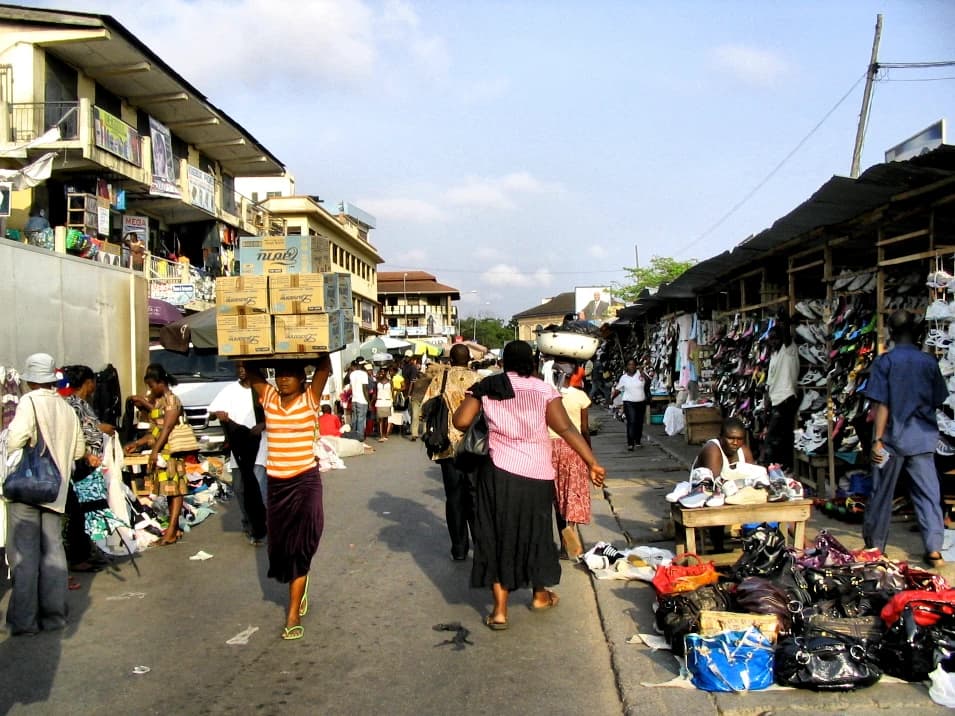
The annual consumer price index rose to 5.5% from 5.2% in September, the second straight monthly increase, according to the Ghana Statistical Service. The rise matters because it was driven by the parts of the economy most closely tied to household budgets and business operating costs: non-food inflation accelerated to 7.9% from 6.2%, while services inflation jumped to 11.5% from 8.3%.
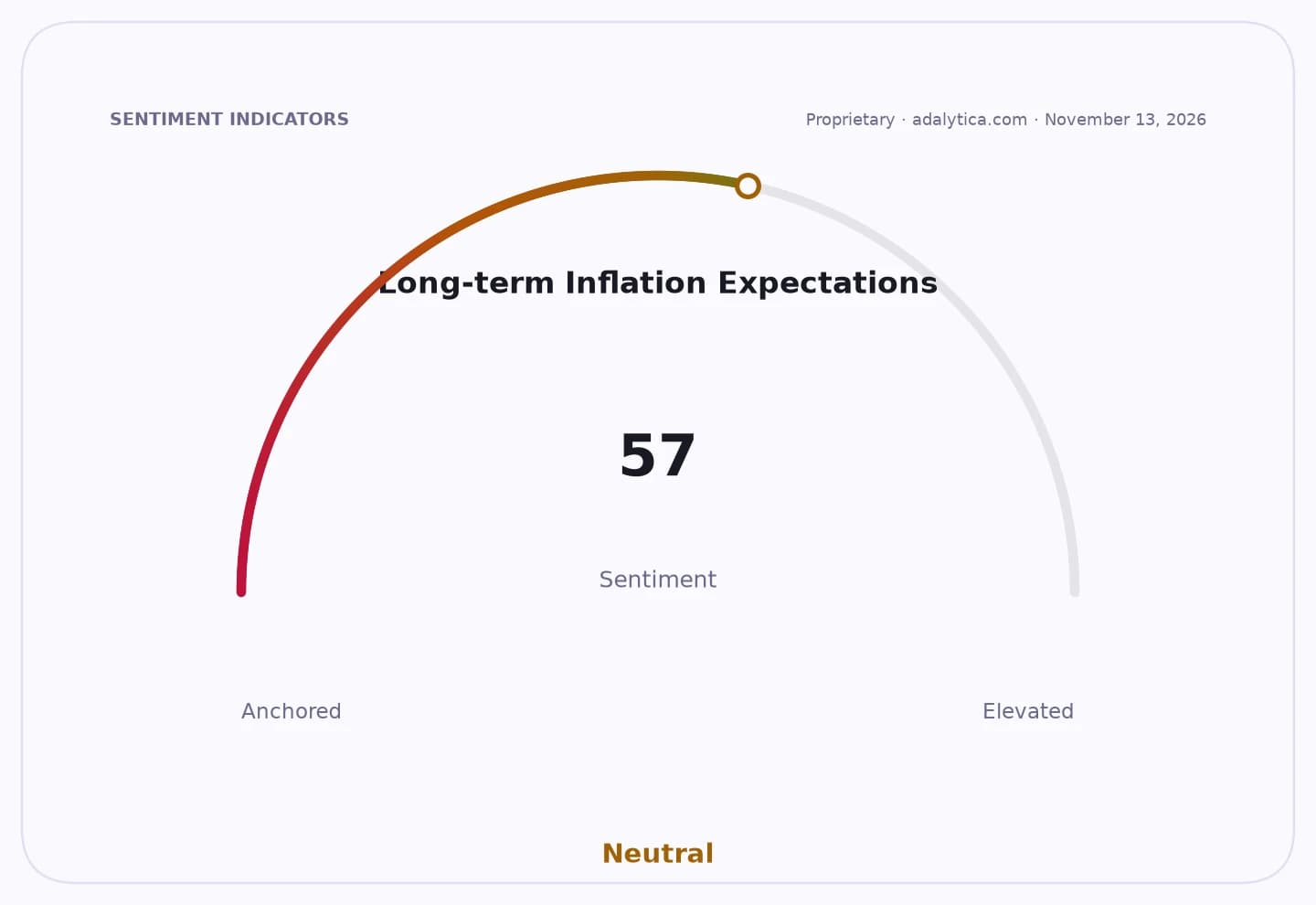
Sentiment Indicators
Transport was the clearest pressure point, with prices rising 8.0% month on month and feeding through into housing-related services, education and other recurring expenses. That makes the latest reading less about one-off food volatility and more about a broader cost squeeze in the domestic economy.
Food provided some offset. Food inflation eased to 2.8% from 4.0%, helped by falling prices for staples including guinea corn, sorghum, maize and local rice. On a monthly basis, overall consumer prices even slipped 0.1% in October after rising 1.1% in September, showing that disinflation in food is still cushioning the headline number. But the underlying split is important: the statistical office said about 76 pesewas of every GH¢1 of price increase in October came from non-food items.
For investors, the detail that matters is the inflation mix, not just the headline. Persistently higher services and transport inflation can be stickier than food prices and more difficult for policymakers to reverse quickly. That could complicate the Bank of Ghana’s view on whether to keep policy steady at 14% or eventually ease financial conditions. Inflation is still below the central bank’s 6%-10% medium-term target range, but the renewed acceleration in non-food prices raises the risk that price pressures are broadening again.
The regional and domestic breakdown also points to uneven demand and cost conditions across the country. Ashanti Region recorded the highest inflation at 9.7%, while the Northern Region was negative at -0.5%. Ashanti and Greater Accra together accounted for 60.2% of total inflation, underscoring how price pressure is concentrated in the country’s main commercial centers.
There is also a currency and import angle. Locally produced items recorded annual inflation of 6.9% and accounted for 86.4% of total inflation, while imported items rose just 2.4%. That suggests the main inflation impulse is domestic rather than imported, which makes the policy response more complex: tighter monetary settings alone may not quickly fix transport bottlenecks, regulated services or distribution costs.
The broader narrative is that Ghana is moving further away from the deep inflation shock of the past, but not yet into a clean, broad-based disinflation trend. If food keeps cooling, headline inflation may stay manageable. But if transport and services continue to rise, the central bank may have to keep policy restrictive for longer, limiting support for credit growth, consumer spending and valuations in rate-sensitive sectors.
For markets, that leaves the near-term question less about inflation headline levels and more about whether October is an isolated bump or the start of a renewed services-led price cycle.
| Entity | Gains | Losses |
|---|---|---|
| Ghana households | ▲cheaper food items | ▼higher transport and service bills |
| Bank of Ghana | ▲disinflation in headline CPI | ▼stickier non-food inflation |
| Transport and service providers | ▲stronger pricing power | ▼consumers facing higher costs |
| Rate-sensitive borrowers | ▲eventual easing if food disinflation persists | ▼prolonged 14% policy rate environment |