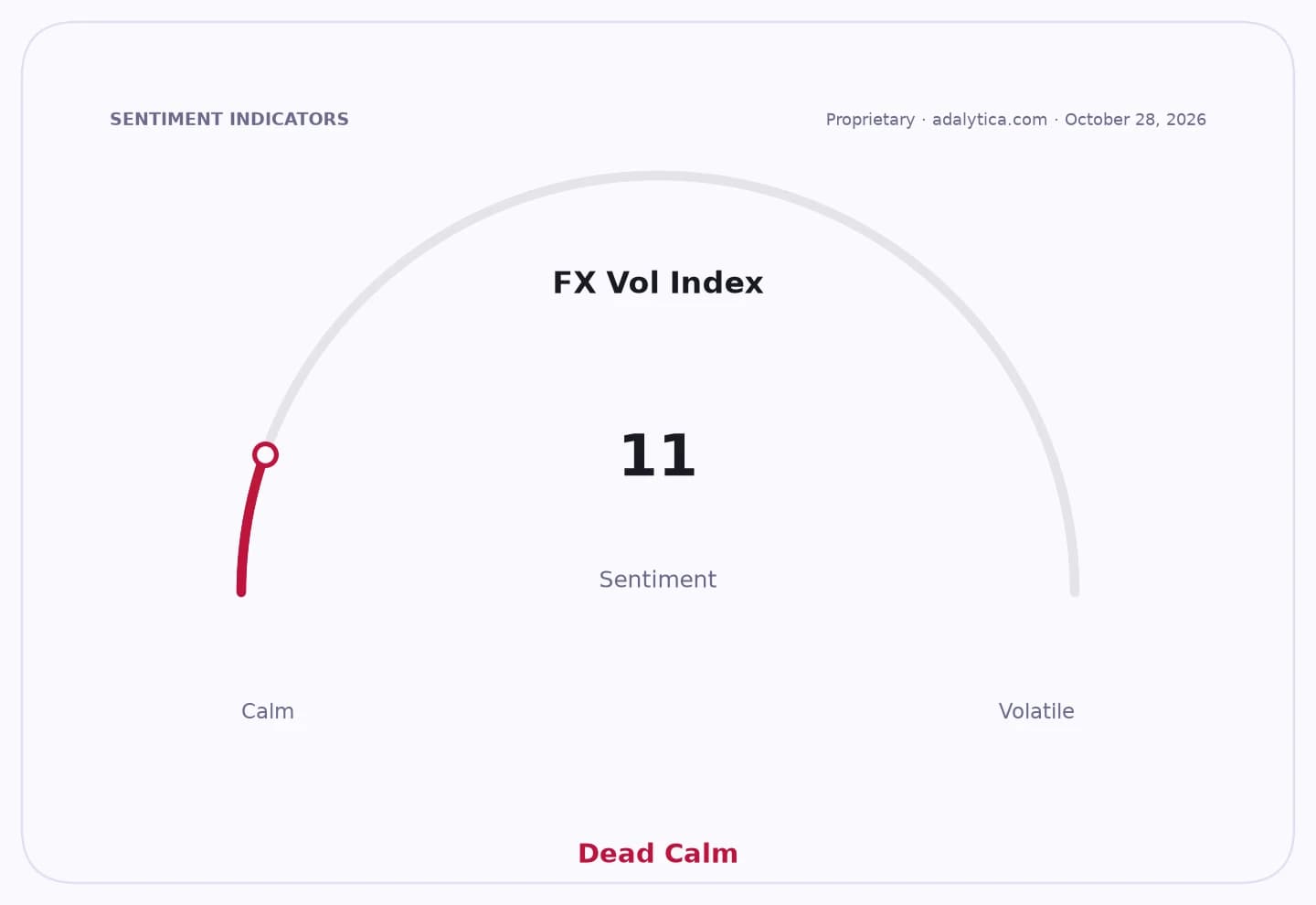
Ghana’s cedi is extending a rare run of strength as the Gold Board says a US$130 million spot dollar sale is helping ease pressure on the currency and deepen foreign-exchange liquidity in the market.
Ghana cedi strengthened by $130 million FX sale
The intervention matters because the cedi’s recent appreciation is not just a trading move; it is a test of whether Ghana can sustain currency stability without reigniting balance-of-payments stress or forcing up domestic liquidity costs. In a market that has been prone to sharp swings, official FX supply can slow depreciation expectations, reduce demand for scarce dollars and give importers, banks and corporates a clearer pricing reference.
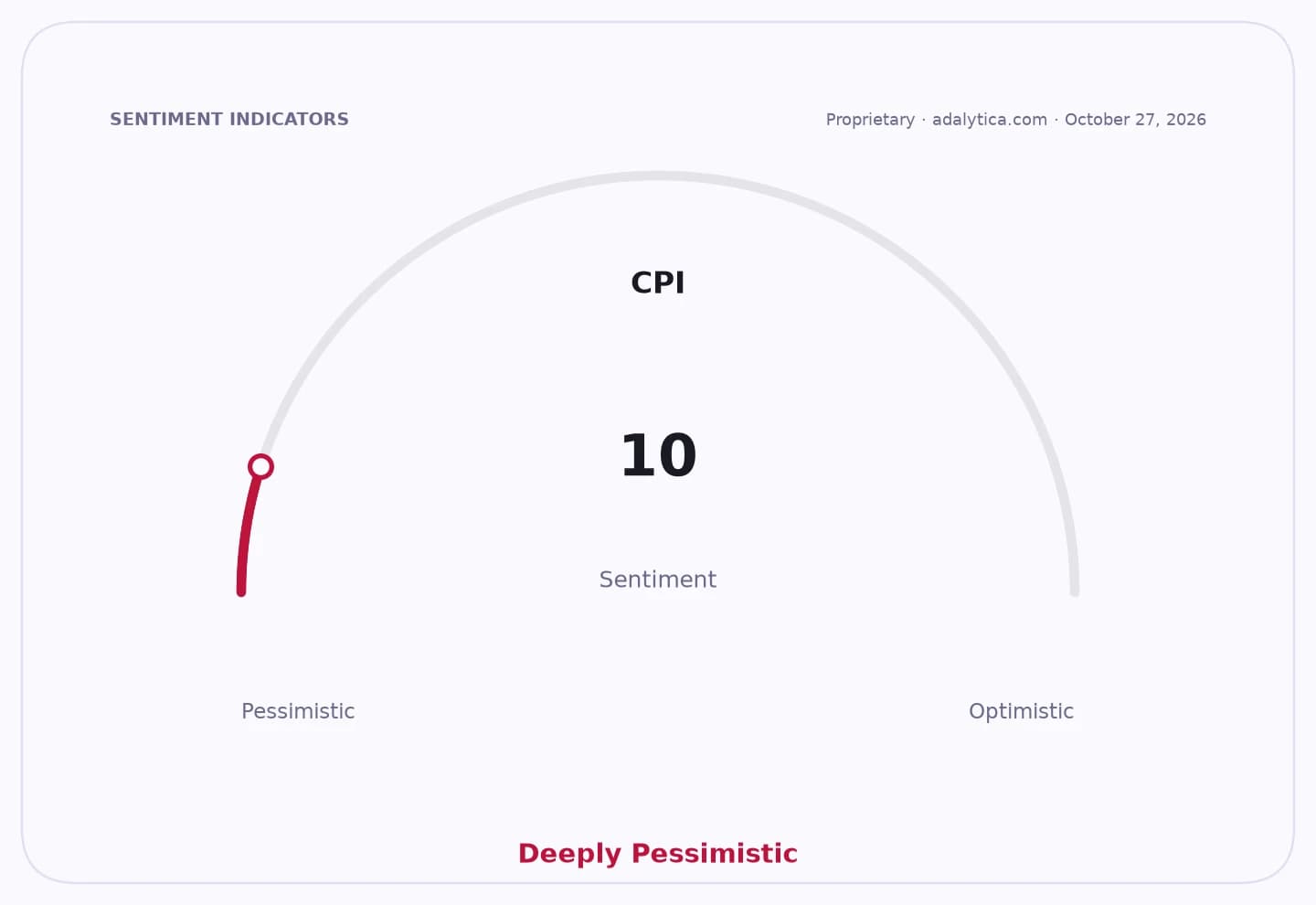
Sentiment Indicators
GoldBod said in a Facebook post that it sold dollars at GH¢11.60 to support the local currency, adding that the cedi has gained for more than three consecutive weeks on the interbank market. The board also said it plans to supply US$1 billion to authorised commercial banks and an additional US$500 million to the Bank of Ghana for reserve accumulation as part of its October 2026 programme.
That scale is material. A planned US$1.5 billion in supply points to a sustained intervention strategy rather than a one-off operation, and it suggests policymakers are using gold-export proceeds and official channels to smooth FX demand. For Ghana, where the exchange rate feeds directly into inflation, fuel costs, imported food prices and debt-servicing burdens, even modest currency gains can have outsized economic effects.
US Dollar
For investors, the cedi’s stability is relevant well beyond foreign-exchange traders. A firmer currency can support disinflation, improve near-term sentiment toward local debt and reduce pressure on companies with heavy dollar liabilities or import exposure. It can also buy time for the central bank and fiscal authorities to rebuild credibility after years in which currency weakness amplified macro risk premia.
The bull case is that stronger official FX inflows, including from gold-related channels, help anchor expectations and reduce volatility. The bear case is that sustained intervention can only do so much if export receipts, reserves and external financing do not continue to improve, especially if dollar demand rises again. For now, the market is treating the cedi’s advance as a sign that authorities are reasserting control over a key transmission channel in Ghana’s recovery.
| Entity | Gains | Losses |
|---|---|---|
| Ghana cedi | ▲Near-term support | ▼Short sellers, import-heavy borrowers |
| Gold Board / Bank of Ghana | ▲More FX control | ▼Dollar hoarders, speculators |
| Ghana importers | ▲Easier dollar access | ▼Firms holding FX obligations |
| Local debt market | ▲Better disinflation backdrop | ▼Holders of currency-hedge trades |