Producer prices in Ghana accelerated to 4.8% in September from 4.4% a month earlier, a reminder that cost pressures are still working their way through the economy even as the monthly pace of increases cooled.
Ghana producer prices rise to 4.8% in September
That split matters for investors and policymakers alike: annual producer inflation is still edging higher, which can eventually feed consumer prices, squeeze company margins and complicate the central bank’s inflation fight, but the slowdown in month-on-month gains suggests the latest burst of price pressure may not be broadening as fast as feared.
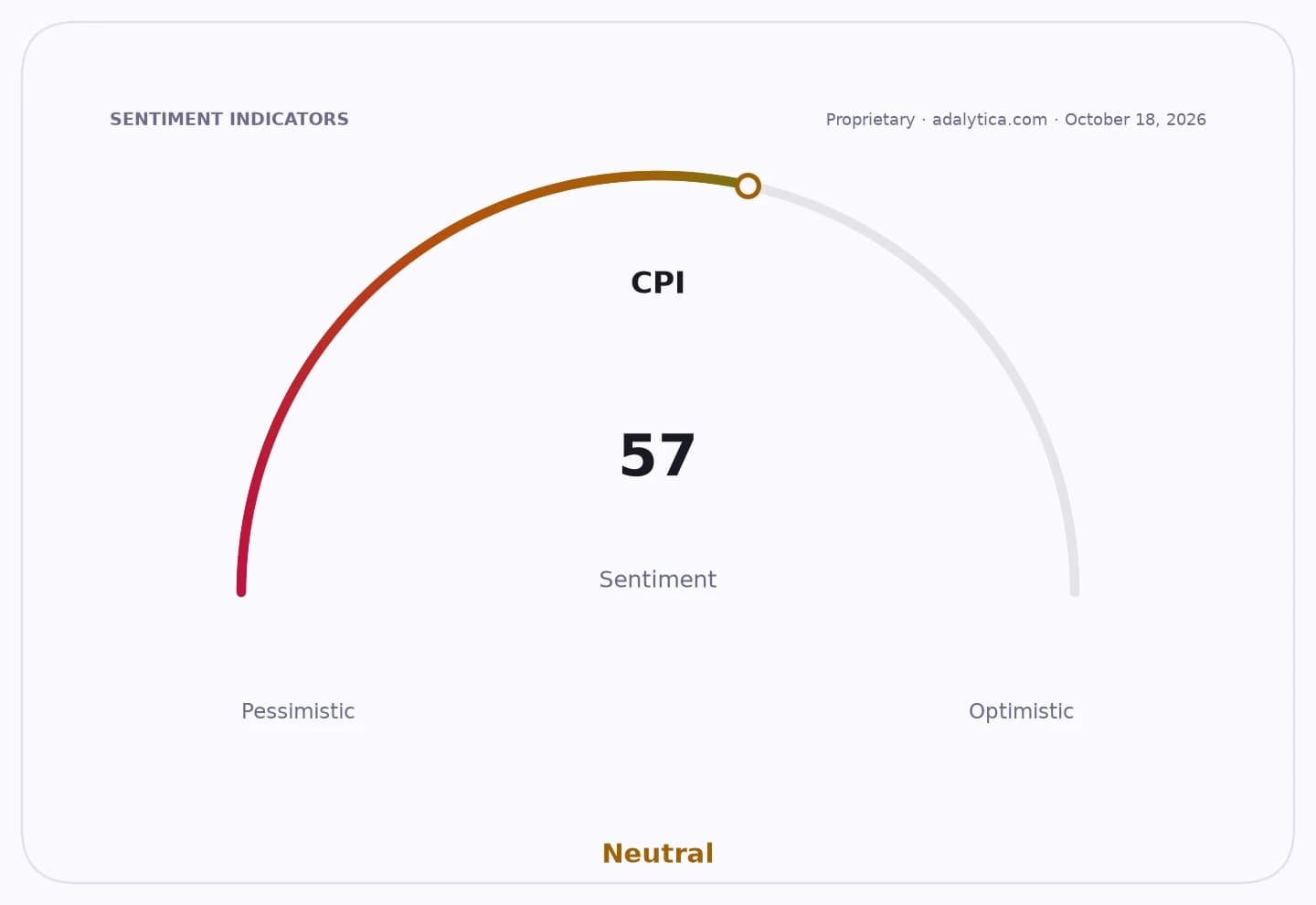
Sentiment IndicatorsⓘProprietary · adalytica.com · October 25, 2026
This is a snapshot — live sentiment, awareness and momentum for 130+ markets update continuously in the dashboard.Open AlphaPulse
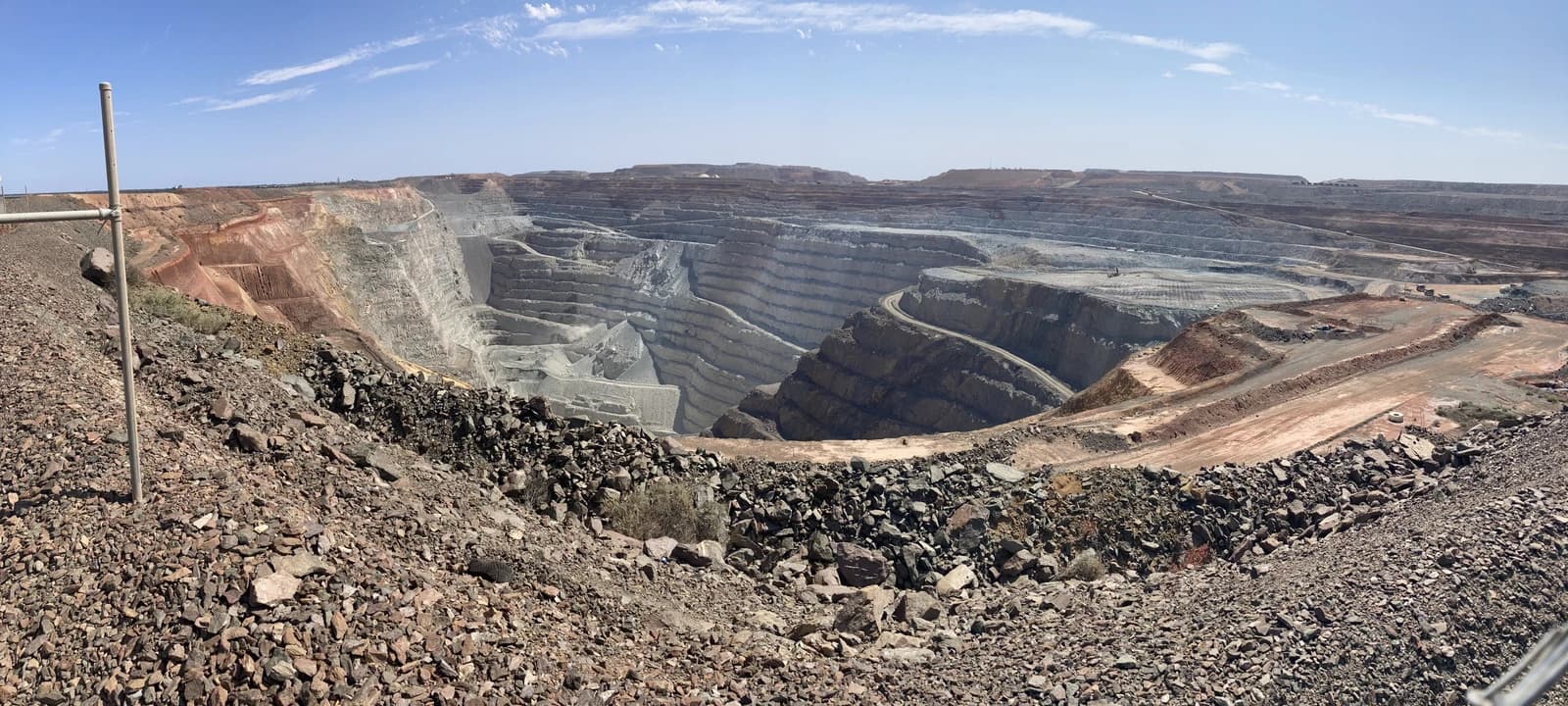
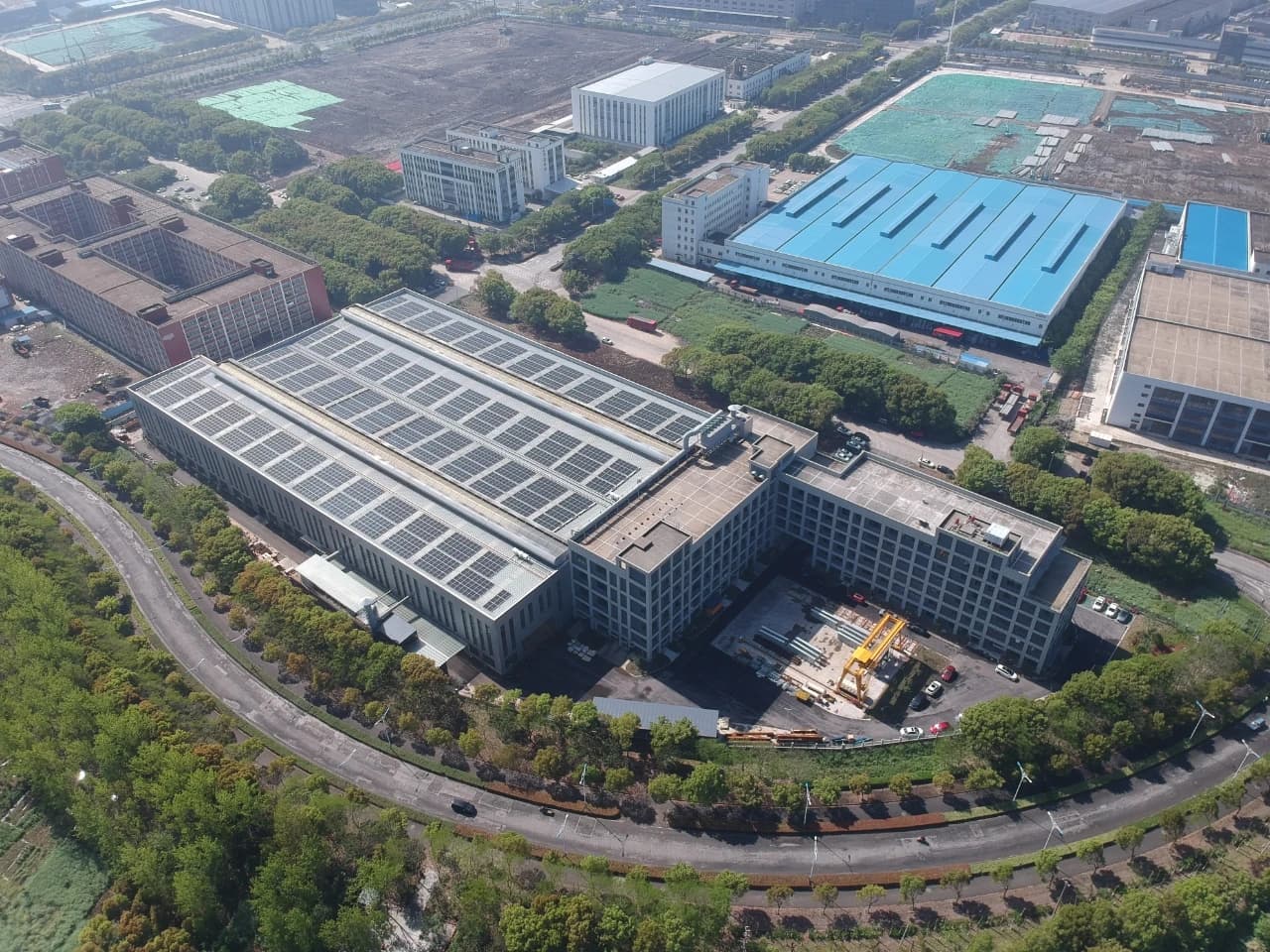
The biggest driver was mining and quarrying, where annual inflation rose to 5.5% from 4.9%, powered by a sharp 18.3% jump in crude oil and natural gas extraction prices. Manufacturing also strengthened, with producer inflation rising to 4.6% from 3.6%, led by leather products and fabricated metal goods. Those are not abstract data points: they point to higher input costs in exactly the sectors that feed exports, construction and industrial activity.
Electricity and gas remained the most inflationary major activity tracked by the index even after easing to 9.8% from 12.3%, while services cooled to 1.4% and construction edged up to 4.7%. Taken together, the data suggest Ghana’s production chain is still under strain, with energy and industrial costs doing the heavy lifting.
For markets, the key question is whether this turns into a second-round inflation problem. If producer prices keep climbing, firms will eventually face a choice between absorbing thinner margins or passing costs on to consumers. That is why producer inflation matters beyond the headline: it is often the earliest warning sign that consumer inflation and policy tightening risk may be next.
The Ghanaian economy is also exposed to commodity-linked volatility. Mining remains central to output and export earnings, so higher producer prices in the sector can bolster revenue for resource producers while increasing cost pressure for downstream manufacturers and consumers. For investors, that argues for a selective approach: commodity-exposed names can benefit from stronger pricing, but domestic businesses with weak pricing power remain vulnerable.
The more constructive read is that September’s moderation in monthly inflation shows the pace of price growth may be stabilizing, not spiraling. But as long as annual producer inflation is rising, the cost of doing business in Ghana is still creeping higher — and that keeps the pressure on margins, the central bank and any investor betting on a clean disinflation story.
| Entity | Gains | Losses |
|---|---|---|
| Mining exporters | ▲Higher producer prices | ▼Higher operating costs |
| Manufacturers with pricing power | ▲Ability to pass through costs | ▼Margin compression if they cannot |
| Ghana consumers | ▲Slower monthly inflation growth | ▼Risk of future retail price increases |
| Bank of Ghana | ▲Easier case if monthly inflation keeps cooling | ▼Harder fight if producer costs feed CPI |