Egyptian consumers are facing fresh food inflation as the prices of cooking oils, industrial ghee, rice, flour and lentils moved higher, with traders and retailers pointing to a weaker pound, rising import costs and firmer global commodity prices.
Egypt Food Prices Rise on Pound Weakness

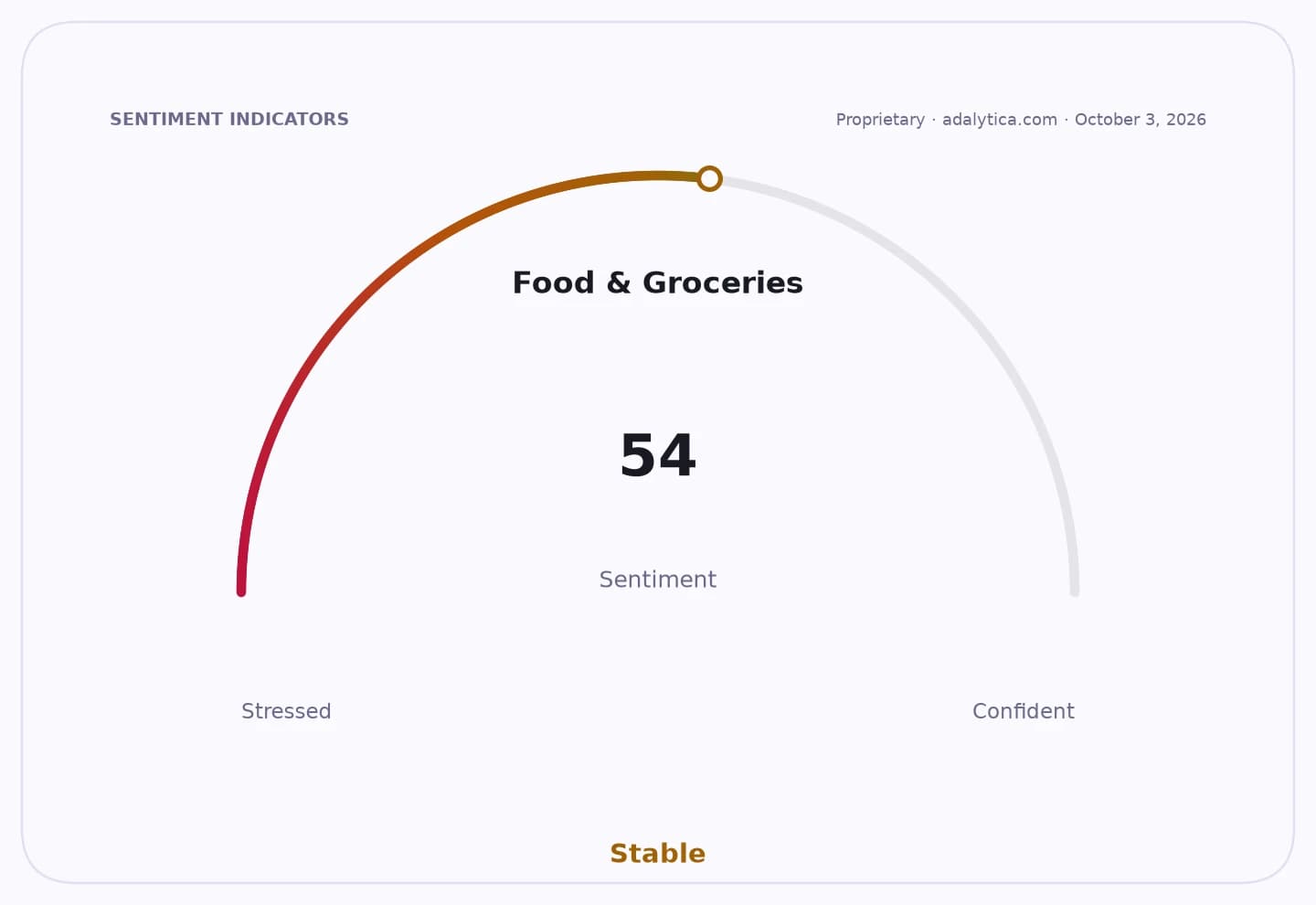
The most economically significant development is not the size of any single price move, but the broad-based increase across staples that sit at the center of household spending. That matters because food carries a heavy weight in Egyptian consumer budgets, so even modest gains in everyday items can quickly filter into headline inflation, squeeze real incomes and force traders to rebuild margins after earlier bouts of cost pressure.
Sentiment Indicators
Data from the state price portal showed the average price of a liter of sunflower oil at about 105.32 pounds, up 3.28 pounds, while corn oil rose to 125.90 pounds, up 2.36 pounds. Industrial ghee climbed to 118.41 pounds a kilo, an increase of 8.03 pounds. Packaged rice edged up to 35.09 pounds a kilo, flour to 28.80 pounds and lentils to 71.91 pounds, while packaged sugar eased slightly.
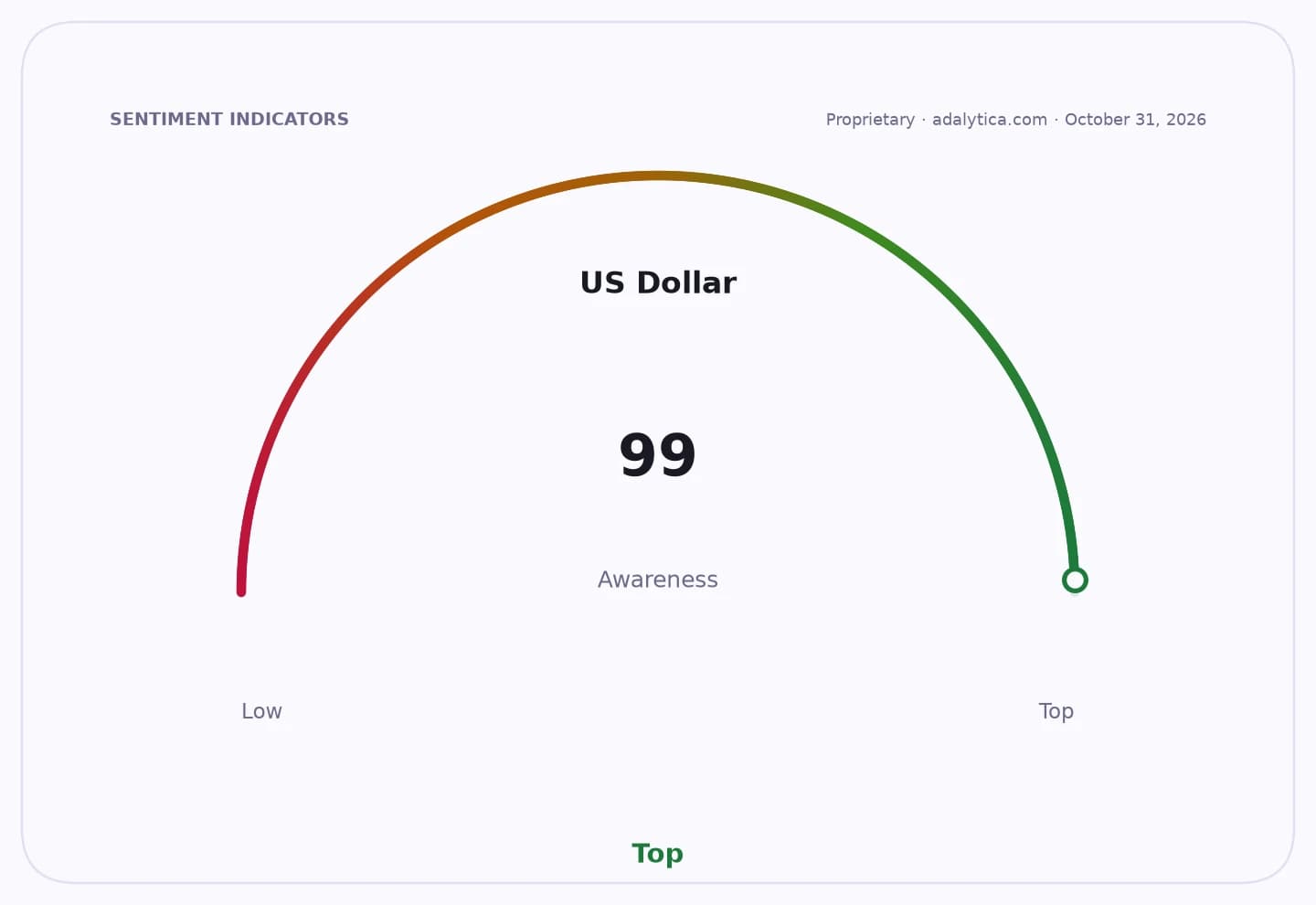
Mata Beshai, head of the domestic trade committee at the importers’ federation, said the increases were tied mainly to the recent rise in the dollar, along with higher import, transport, shipping and insurance costs, as well as shifts in global markets. That is a familiar inflation channel in Egypt, where a large share of edible oils and other food inputs are imported and therefore highly sensitive to foreign-exchange moves.

The pressure is also visible in the wider commodity backdrop. Global food costs have been under strain from geopolitical tensions and higher energy prices, which feed into freight, processing and packaging. Brent and U.S. crude benchmarks have been volatile, while international producer and consumer price gauges remain elevated relative to pre-pandemic norms, leaving little room for imported staples to absorb another layer of cost inflation.
For investors, the implications run in two directions. Consumer staples companies and import-dependent food distributors face a tougher margin environment if they cannot fully pass through higher costs, especially in a market where shoppers remain highly price sensitive. At the same time, any sustained rise in food inflation could keep pressure on Egyptian policy makers to defend the currency and preserve price stability, a combination that tends to raise the cost of capital and complicate growth.
There is also a portfolio read-through beyond Egypt. Global agricultural and packaged-food markets remain exposed to exchange-rate swings and commodity shocks, and equities linked to staples have already reflected that tension in uneven trading. The broader message is that food inflation is no longer just a supply-chain story; it is increasingly a macro story shaped by currency weakness, import dependence and geopolitical risk.
If the pound remains under pressure and global commodity markets stay firm, further price increases in oils, grains and legumes would not be surprising. That would reinforce the strain on households, narrow room for retailers and importers, and keep inflation near the top of the policy agenda.
| Entity | Gains | Losses |
|---|---|---|
| Importers of food staples | ▲Higher nominal selling prices | ▼Weaker consumer demand |
| Households in Egypt | ▲None | ▼Higher grocery bills |
| Food retailers | ▲Potential margin pass-through | ▼Inventory cost pressure |
| Commodity producers/exporters | ▲Stronger pricing power | ▼Price-sensitive markets |