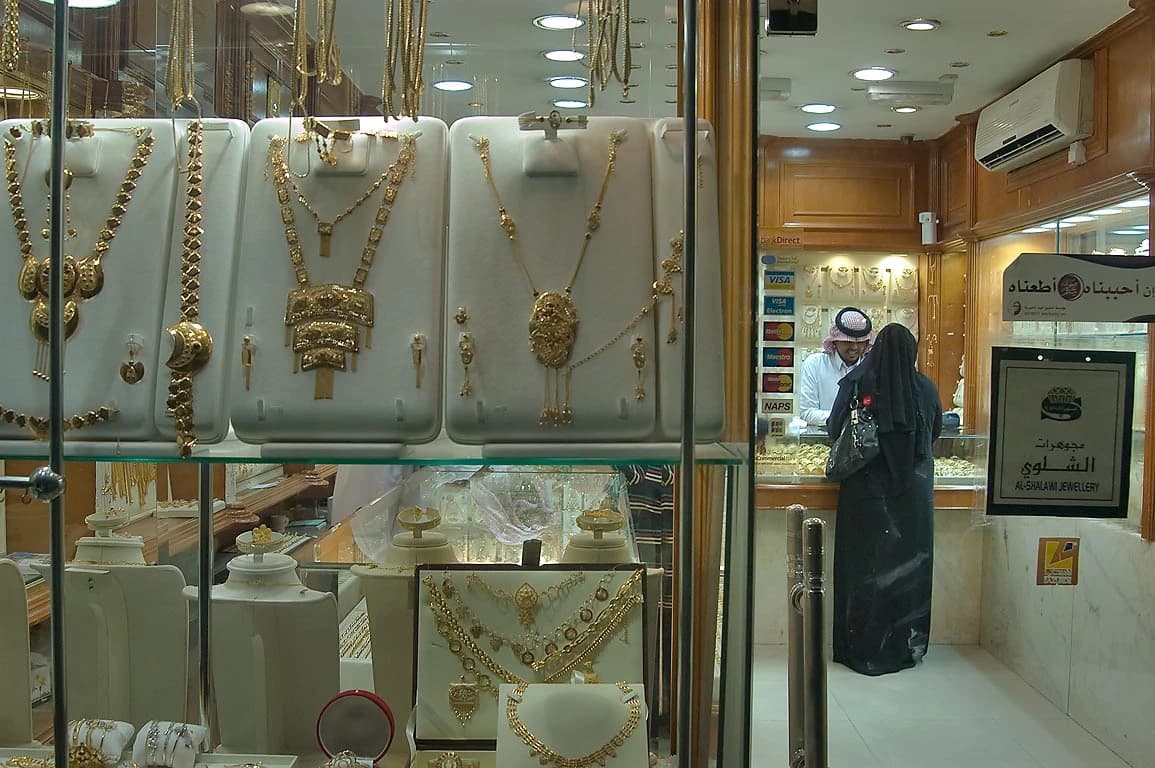
Gold prices in Egypt held at 6,290 pounds a gram for 21-karat jewelry on Saturday, with the local market being propped up by a stronger dollar even as world bullion prices weakened. The key economic story is not the flat day-to-day move, but the growing split between international gold, which is under pressure, and Egyptian prices, which are being kept elevated by a rapid climb in the pound’s exchange rate.
Egypt Gold Stays at 6,290 Pounds on Dollar Rise
US Dollar
The domestic market has become a barometer of two forces moving in opposite directions: softer global bullion and a weaker Egyptian currency. Gold Pi'léon said the 21-karat price failed to break 6,300 pounds last week even after briefly reaching 6,340 pounds on Thursday, before retreating with the sharp slide in the ounce globally. Yet the dollar’s rise above 55 pounds in Egyptian banks has limited how much of that global decline can pass through to local prices.
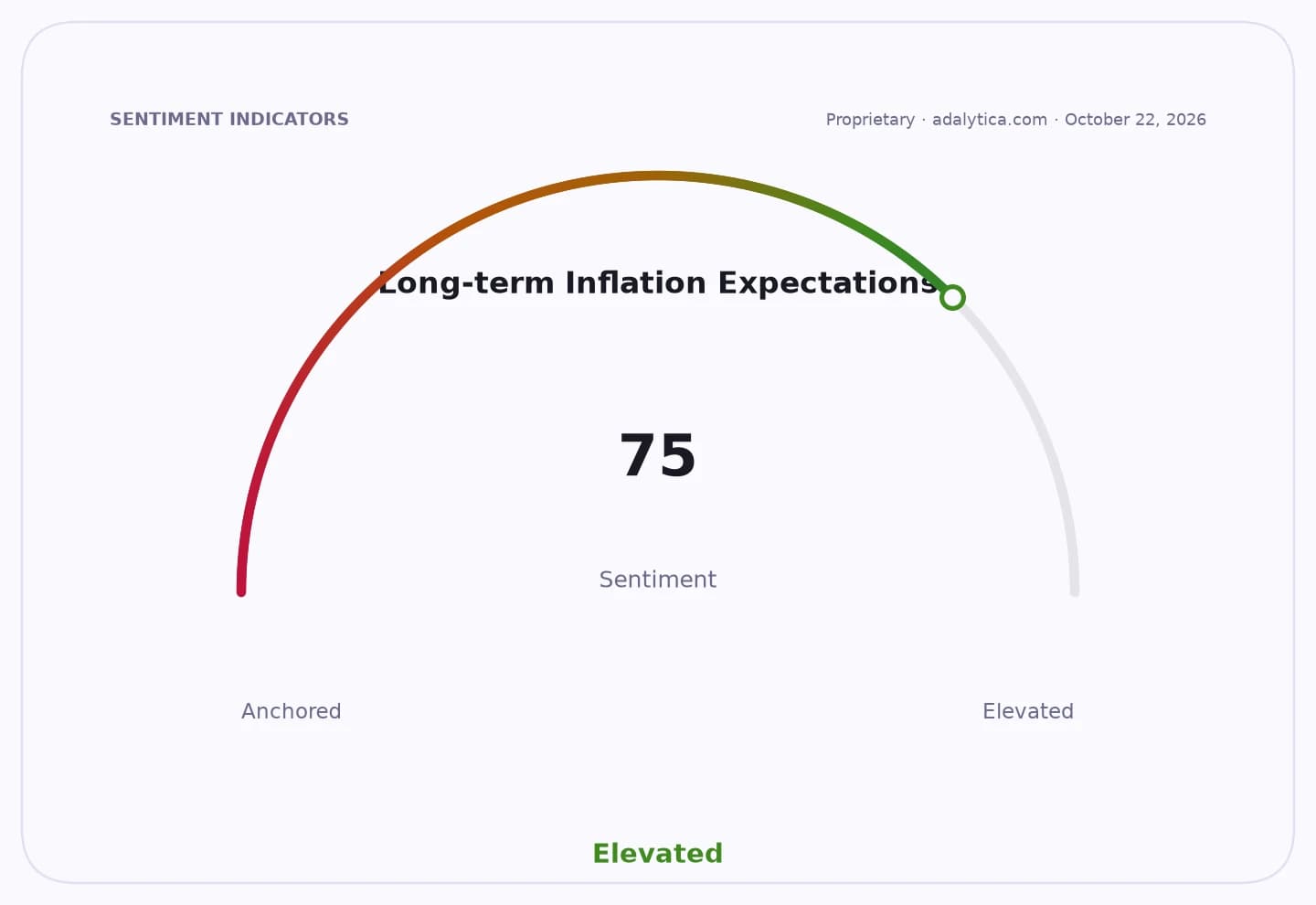
Sentiment Indicators
That matters because Egypt is a price-taker in bullion but not in currency. When the dollar strengthens, imported gold becomes more expensive in local terms, offsetting some of the downward pressure from overseas markets. For households, that keeps jewelry and savings demand under strain. For traders, it means the local market may remain sticky even if global prices continue to soften.
The move in the dollar also carries wider macro significance. According to the report, the foreign-exchange pressure has been intensified by outflows from Egyptian debt instruments, with net sales by Arab and foreign investors of $711 million in a single session and $1.83 billion over four straight days. Rising crude above $115 a barrel adds another layer of stress by increasing Egypt’s import bill and demand for foreign currency. That combination helps explain why gold in pounds is not falling as quickly as global prices would suggest.
Technical signals reinforce that tension. In dollar terms, GLD has dropped to 355.78 on the latest reading, below both its 50-day and 200-day moving averages, while the Relative Strength Index sits in oversold territory near 26.5 and MACD remains negative. At the same time, Adalytica’s Gold Fear & Greed Index shows sentiment in “Fear” at 18, underscoring weak risk appetite in bullion even as the dollar’s proprietary trade signals show “Extreme Greed” awareness and strong trend momentum. In other words, investors are favoring the dollar over gold, but Egyptian pricing is still being anchored by currency weakness rather than gold strength.
For investors, the implication is that local gold prices in Egypt will likely remain sensitive first to the dollar-pound rate and only second to the global ounce. A sustained move above 55 pounds could keep 21-karat gold near or above the 6,300-pound threshold even if international bullion stays subdued. A reversal in the exchange rate, by contrast, would expose how much of the current firmness is currency-driven rather than demand-led.
The next catalyst is straightforward: watch the dollar in Egypt and the pace of foreign portfolio flows. If outflows ease and the pound stabilizes, domestic gold prices could finally track the global downturn more closely. If not, Egyptian buyers may continue to face elevated prices even in a weaker world gold market.
| Entity | Gains | Losses |
|---|---|---|
| Egyptian gold sellers | ▲Higher local pricing power | ▼Slower retail demand |
| Egyptian consumers | ▲Some price stability day to day | ▼Expensive jewelry purchases |
| US dollar vs pound | ▲Stricter local gold pricing | ▼Egyptian purchasing power |
| Global bullion bears | ▲Softer international ounce prices | ▼Limited pass-through in Egypt |