The dollar has jumped to fresh records in Egypt’s banking system, briefly clearing 55 pounds for the first time and extending a week-long surge that is pressuring the currency, lifting imported-price risks and rattling local markets.
Dollar tops 55 pounds in Egypt banks
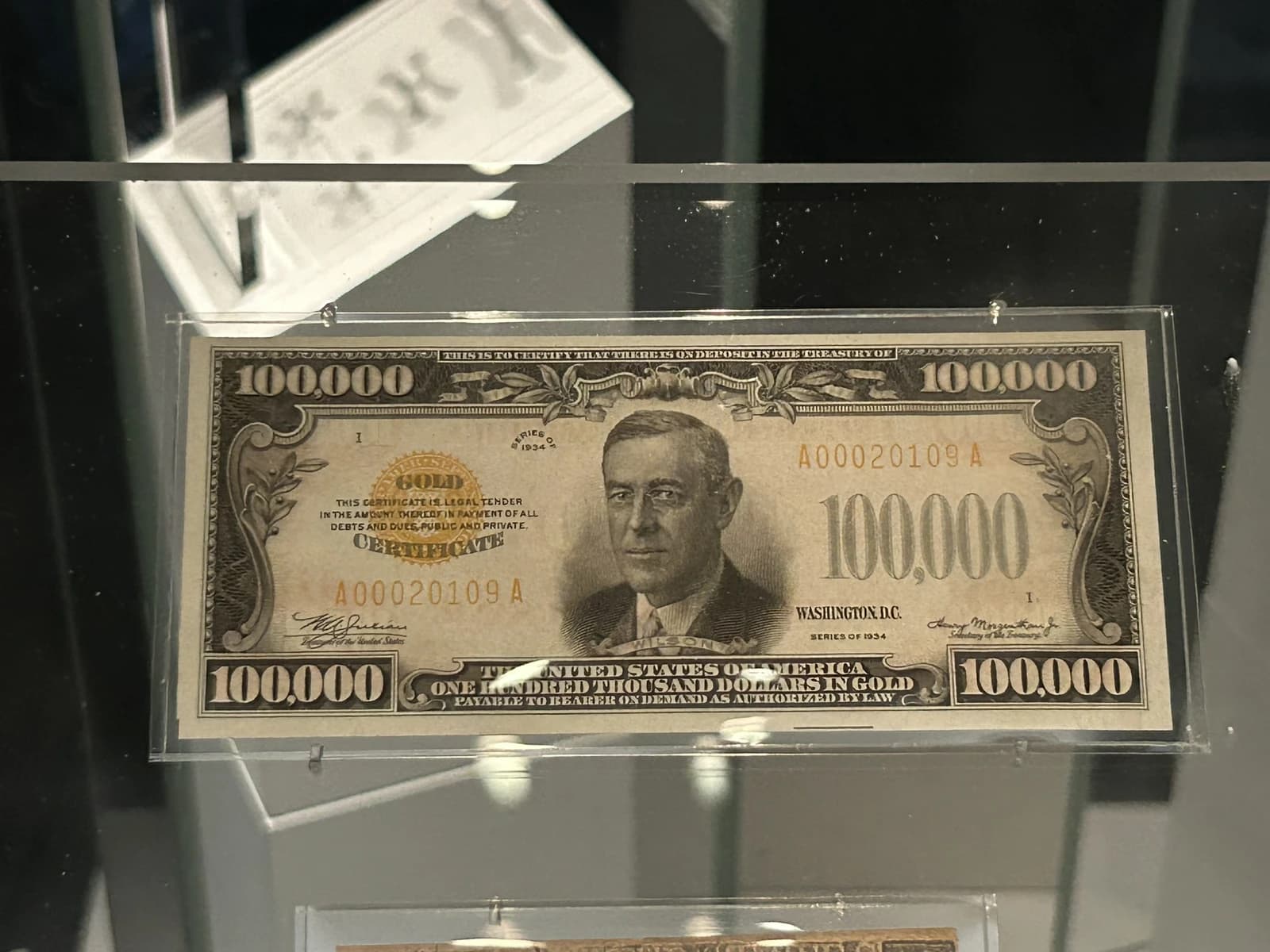
In the biggest move, the U.S. currency rose by as much as 92 piastres in local banks on Thursday, with the climb accelerating after it first crossed 54 pounds earlier in the week. In the largest state-owned lenders, National Bank of Egypt and Banque Misr, the dollar was quoted at 53.89 pounds for buying and 53.99 pounds for selling in the latest update, while Banque Alexandria led the market at 53.92 and 54.02 pounds before the broader jump gathered pace.
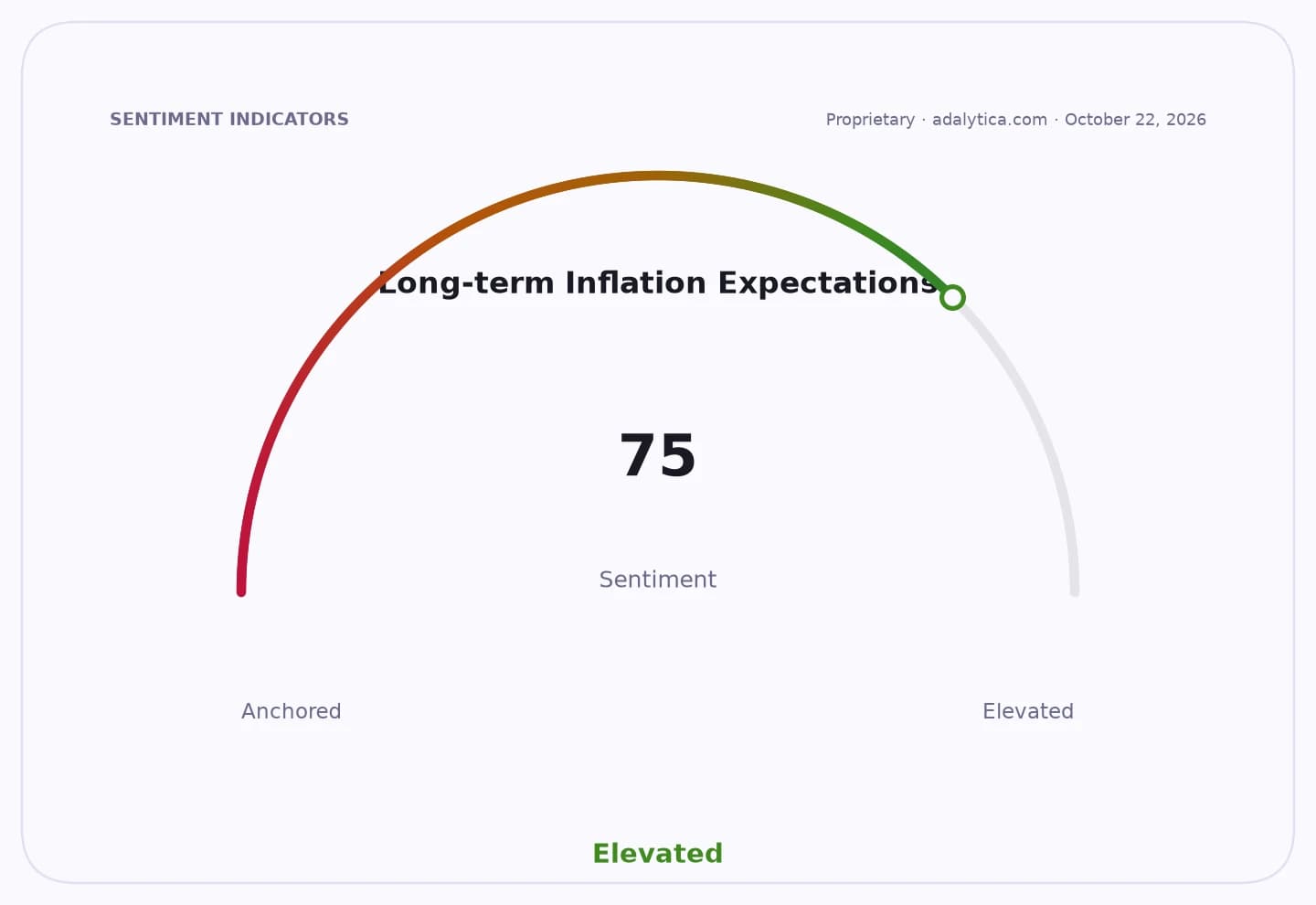
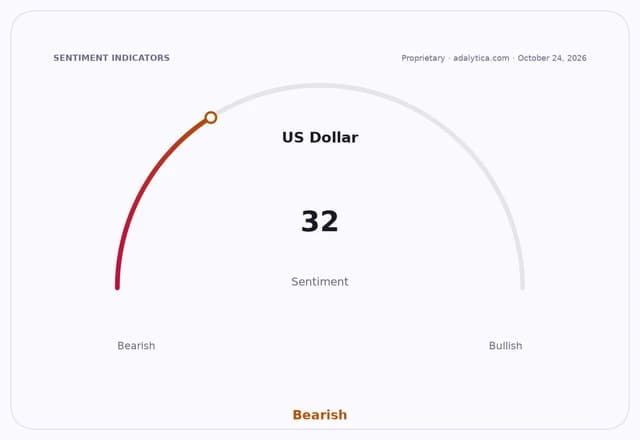
Sentiment IndicatorsⓘProprietary · adalytica.com · October 24, 2026
This is a snapshot — live sentiment, awareness and momentum for 130+ markets update continuously in the dashboard.Open AlphaPulse
The move matters economically because Egypt relies heavily on imports for fuel, food and industrial inputs, so every fresh leg higher in the dollar feeds directly into inflation pressure and raises the local cost of servicing foreign-currency obligations. It also underscores continuing stress in the pound, which has been weakening since April even as banks try to absorb demand through higher deposit and savings rates.
Investors are taking the signal as another warning that foreign-exchange stability remains fragile. A sharper currency slide typically weighs on Egyptian equities, especially companies with dollar-linked costs, while exporters and firms with hard-currency revenue can benefit from the weaker pound. The broader market reaction has already shown the strain, with the stock exchange falling more than 3% in the wake of the dollar’s breakout.
The surge also comes alongside broader risk aversion in the local market, with banks promoting foreign-currency savings certificates offering returns of up to 22% to draw funds into the system. That may help mobilize deposits, but it also highlights how high rates are being used to defend confidence rather than signal a return to currency calm.
The next catalyst is whether policymakers can slow the move through tighter liquidity management or new FX inflows, but for now the market is pricing in continued pressure on the pound.
| Entity | Gains | Losses |
|---|---|---|
| Dollar holders | ▲Higher local value | ▼Egyptian pound buyers |
| Exporters with FX revenue | ▲Better pound conversion | ▼Importers |
| Egyptian banks | ▲More FX deposit inflows | ▼Borrowers facing higher costs |
| Egyptian equities | ▲Weakness in exporters only | ▼Broader market sentiment |