Arequipa’s cost of living kept climbing in October, with inflation in the Peruvian region reaching 5.59% year to date as higher transport and food prices continued to squeeze household budgets and threaten a further erosion in purchasing power.
Arequipa Inflation Rises 5.59% YTD in October
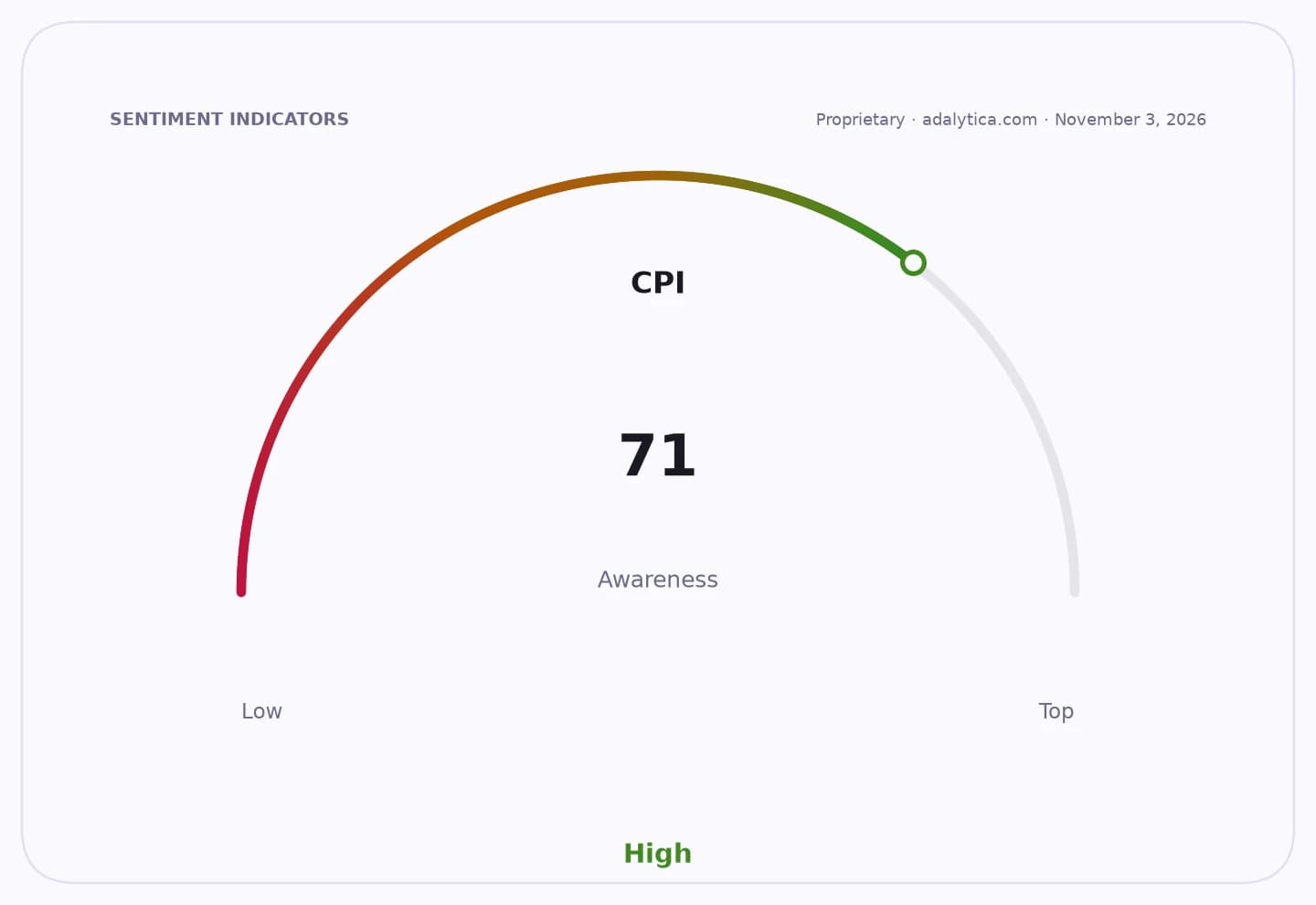
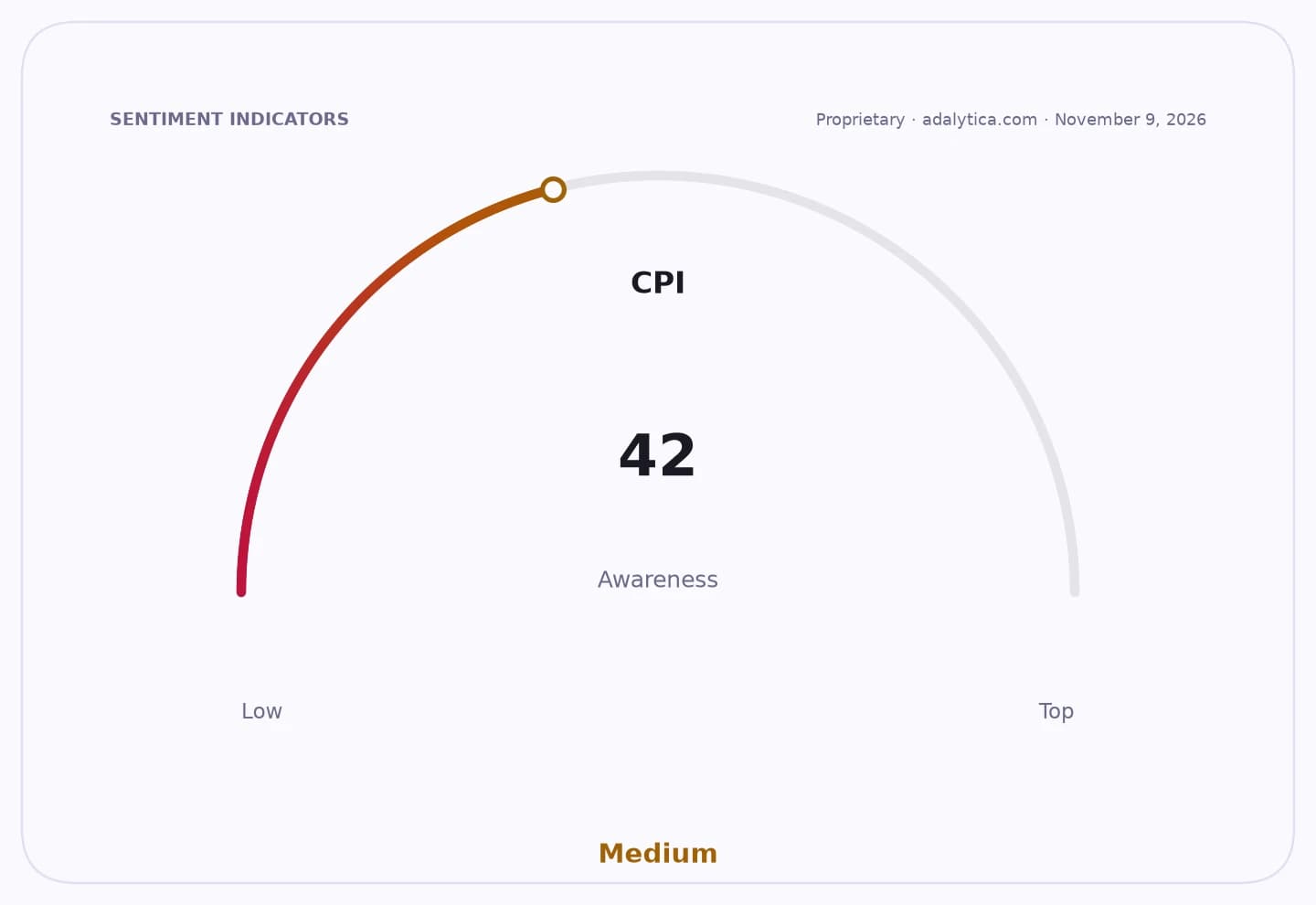
CPI
The latest reading from the regional statistics office showed consumer prices rose 0.64% in the month, led by transport, food and non-alcoholic beverages, and restaurants and hotels. For investors and policymakers, the significance is less the monthly print than the persistence of the price surge in essentials: transport alone has risen 16.55% so far this year and 16.95% over the past 12 months, far outpacing the headline rate.
Sentiment Indicators
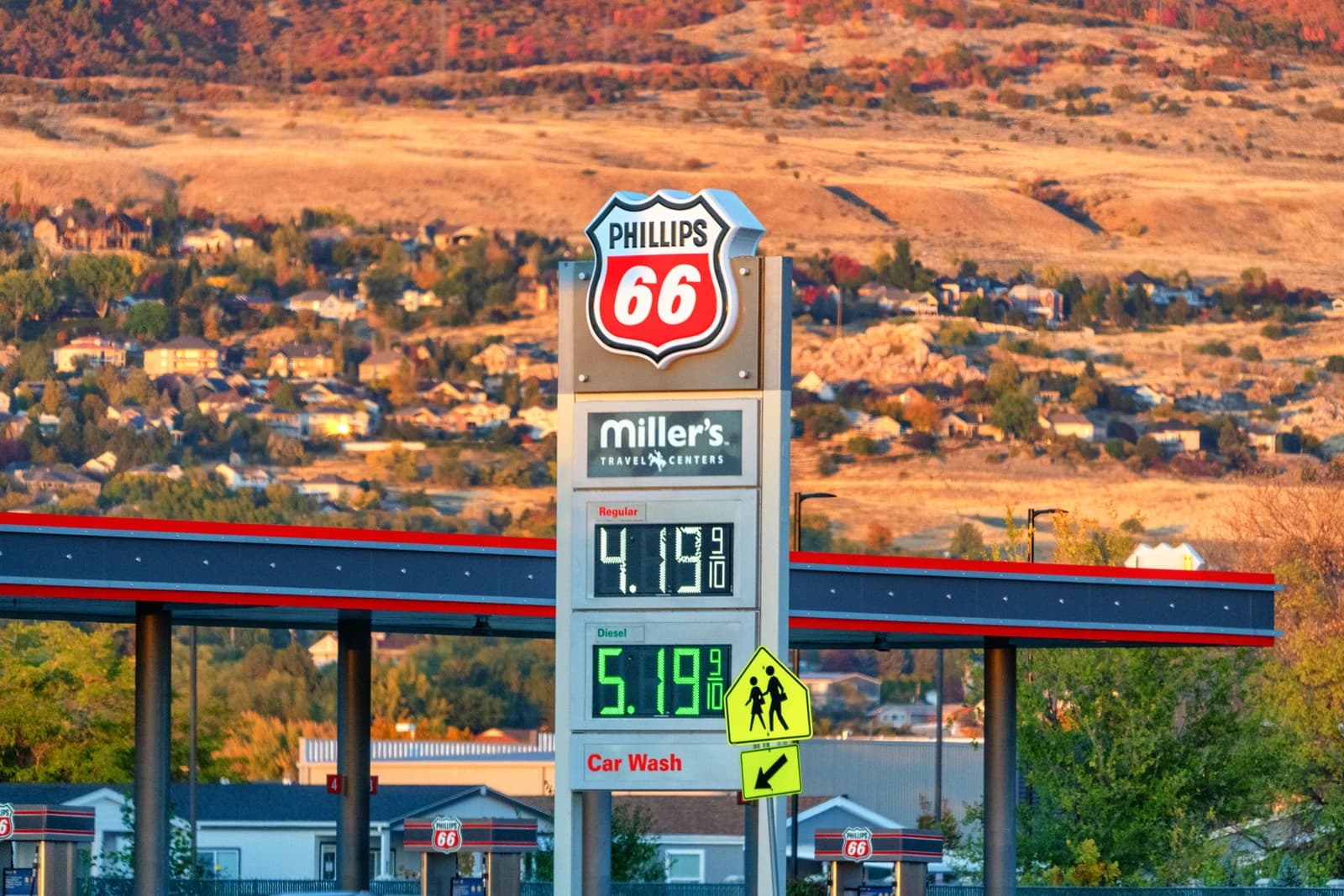
Fuel was the main transmission channel. Gasoline jumped 9.77% from September, gas for the home rose 3.14% and diesel increased 2.09%, according to the ODEI Arequipa. The agency said external supply factors and a stronger dollar were lifting import costs, a reminder that even regional inflation can be driven by global energy and currency moves.
Food inflation reinforced the pressure. Prices for non-alcoholic food and beverages climbed 1.09% in October, while restaurants and hotels rose 0.89%, suggesting the pass-through from higher input and transport costs is spreading beyond the pump and into daily consumption. That matters because these categories carry heavy weight in household spending, particularly for lower- and middle-income families that devote a larger share of income to food and mobility.
There were some offsets. Communications fell 1.78% on the month and recreation and culture slipped 0.24%, while a number of agricultural items eased, including apples, celery and watermelon. But those declines were not enough to counter broad-based pressure: 131 of the 430 items in Arequipa’s basket rose in price in October, versus 101 that fell.
The distribution of gains points to a supply-side problem rather than a one-off spike. Local produce such as regional corn, ají pimiento and rocoto posted large increases, alongside fuel-related items. That mix suggests transport logistics, imported energy costs and food supply conditions are interacting in a way that keeps inflation sticky even as some categories cool.
For consumers, the immediate risk is weaker real spending power and tighter household finances. For businesses, especially restaurants, retailers and transport operators, the higher cost base may squeeze margins unless they can pass on price increases. For the central bank and fiscal authorities, persistent regional inflation complicates the broader task of anchoring expectations, particularly if fuel costs and exchange-rate pressure persist.
The key question now is whether October marks a temporary peak or the start of a longer stretch of elevated living costs. If fuel prices and the dollar remain firm, Arequipa’s inflation will likely stay above levels that households can absorb comfortably, keeping pressure on consumption and on the region’s broader economic momentum.
| Entity | Gains | Losses |
|---|---|---|
| Fuel suppliers | ▲Higher local prices | ▼Households and transport users |
| Food producers with pricing power | ▲Better revenue capture | ▼Consumers on fixed budgets |
| Restaurants and hotels | ▲Some ability to reprice | ▼Margins if demand weakens |
| Peruvian households in Arequipa | ▲Lower prices in a few items | ▼Real purchasing power |