Chile’s inflation rate accelerated more than expected in October, with consumer prices rising 0.5% on the month and annual inflation climbing to 4.5%, a move driven chiefly by higher fuel and transport costs that complicates the outlook for interest rates and household spending.
Chile inflation rises to 4.5% in October
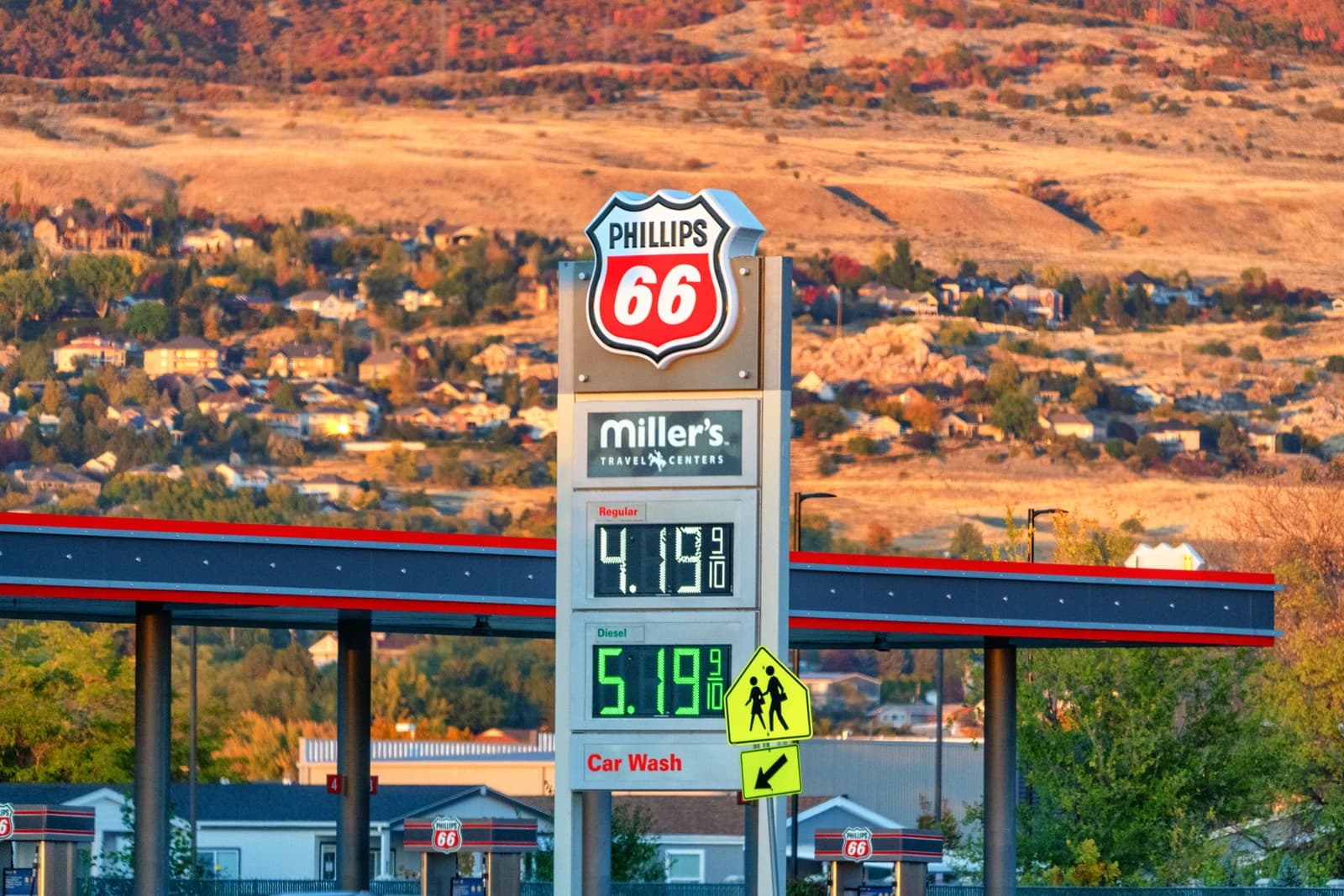
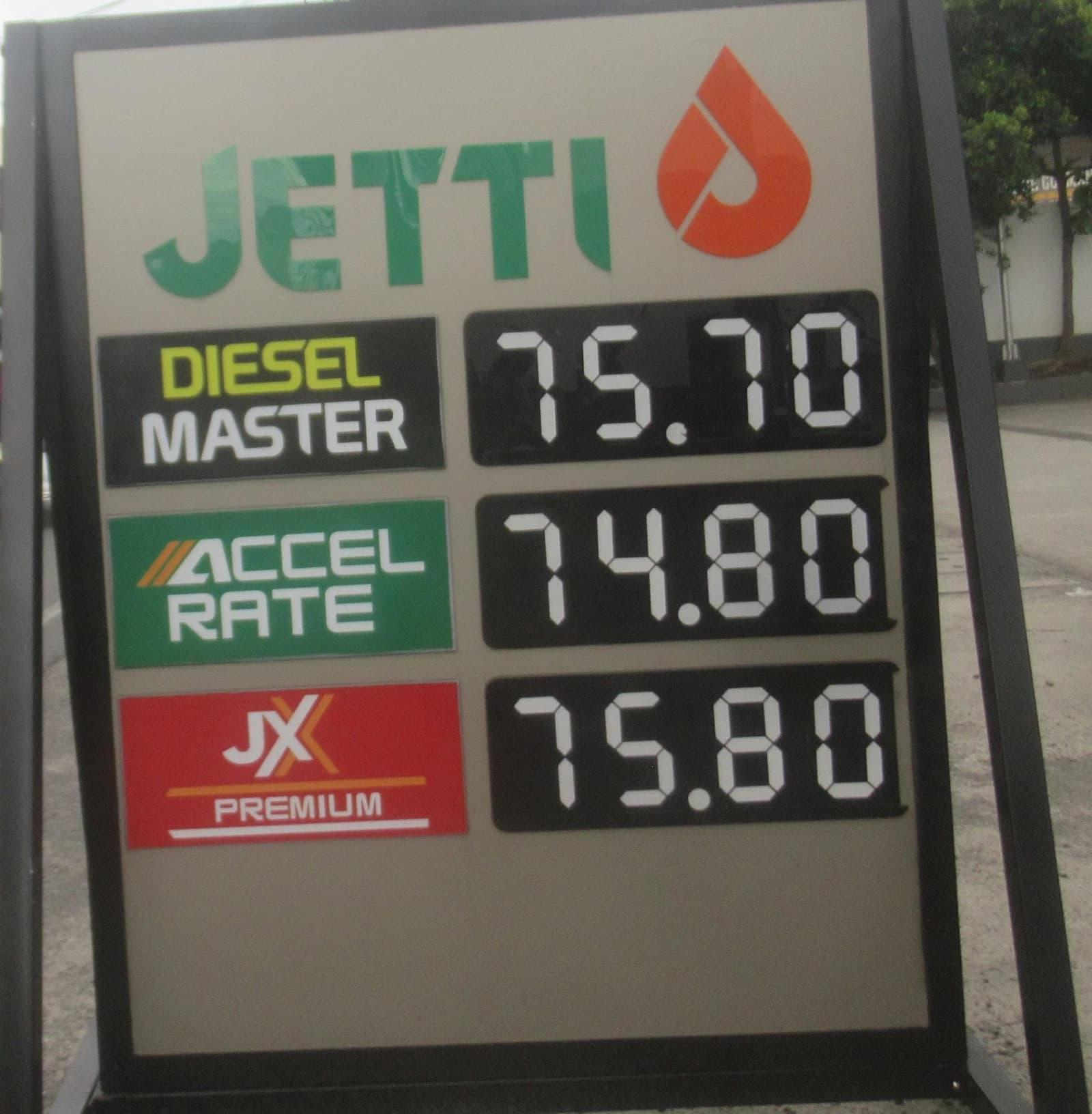
The data matter because the jump comes from categories that feed quickly into the wider economy. Gasoline rose 4.5% in the month, diesel surged 12.3% and international airfares climbed 13%, lifting transport prices 2% and food prices 1%. The core measures the INE tracks without volatile items, including the index excluding food and energy, were flat, suggesting the October print was largely an energy shock rather than a broad-based acceleration — but one that still raises the cost of living and can pass through into other prices if sustained.
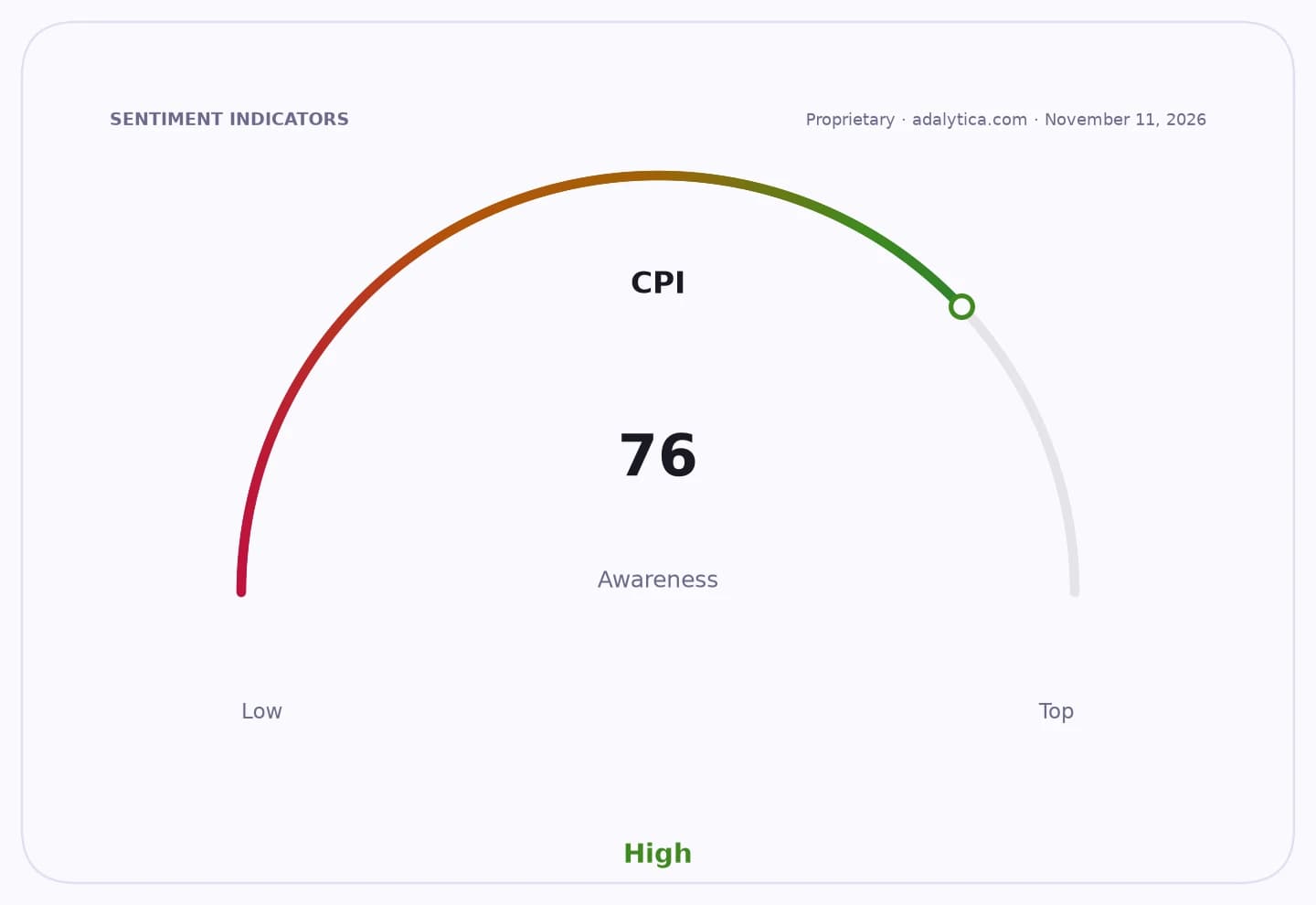
Sentiment Indicators
The annual rate rose from 4.1% in September to 4.5%, reversing some of the easing policymakers had been watching. Transport contributed 0.265 percentage points to the monthly increase, while food and non-alcoholic beverages added 0.231 points. Within transport, fuels were the main driver: gasoline alone added 0.157 points to the headline. Diesel, up 53.5% on the year, underscores how persistent the energy impulse has become.
For the central bank, the risk is that inflation stays above target for longer even if underlying demand is not overheating. Flat core readings give policymakers room to argue the October spike may fade, but the composition of the report leaves less comfort than the headline core number suggests. If fuel prices remain elevated, they could keep headline inflation sticky and complicate the case for quicker policy easing, especially if households and firms begin to bake higher transport costs into wages and prices.
Investors will read the report through the lens of rates, the peso and energy-sensitive sectors. Higher inflation raises the odds of tighter-for-longer monetary conditions, which can support the currency in the short term but pressure bond prices and rate-sensitive stocks. It also helps explain why energy-linked equities tend to outperform during inflation spikes, while airlines and consumer-facing businesses face margin pressure from fuel and input costs. The comparison with oil markets is direct: recent strength in crude has already fed through to retail fuel prices, and October’s CPI confirms that pass-through is working its way into Chilean consumers’ budgets.
The next focus will be whether November data show the fuel shock filtering through to broader services and goods prices, or whether the flat core measures prove durable enough to let inflation drift lower again. For now, October suggests Chile’s disinflation path remains fragile.
| Entity | Gains | Losses |
|---|---|---|
| Energy producers | ▲Higher fuel prices | ▼Consumers, transport users |
| Central bank hawks | ▲Tighter policy case | ▼Dovish rate-cut camp |
| Energy stocks | ▲Inflation tailwind | ▼Airlines and retailers |
| Bondholders | ▲None | ▼Longer-for-higher rates |