Chile’s inflation-linked UF will rise above $41,500 in the next adjustment cycle after October consumer prices climbed 0.5%, underscoring that price pressures remain sticky enough to keep household borrowing and housing costs moving higher.
Chile UF set to rise above 41,500 after October CPI
CPI
The Unidad de Fomento, the index unit used across mortgages, rents, insurance and health plans, will increase by about $206 between Nov. 10 and Dec. 9 to $41,501.94, or roughly $6.9 a day, according to the National Statistics Institute. That is a larger rise than the previous cycle, when a 0.4% September CPI increase lifted the UF by about $164.
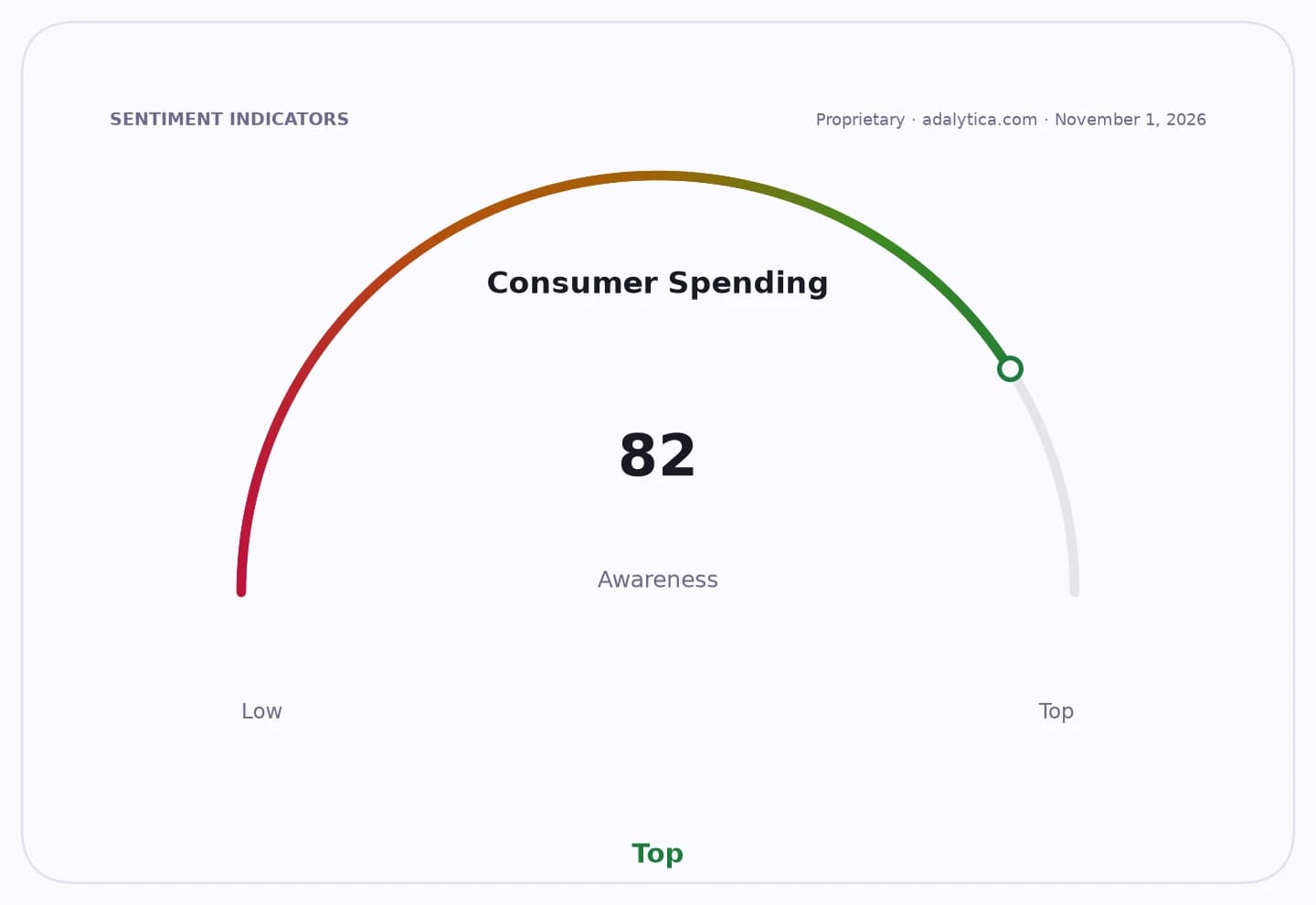
Sentiment Indicators
The move matters because the UF is embedded in Chile’s financial plumbing. A 15-UF mortgage payment, for example, will climb to about $622,500 from roughly $619,400, while a 10-UF rent payment rises to about $415,020 from $412,950. For households already facing weak wage growth and a soft economy, even small daily UF adjustments feed directly into disposable income and debt-service costs.
October inflation matched the central bank-survey forecast and kept annual CPI at 4.5%, still well above the Banco Central de Chile’s 3% target. That leaves policymakers with less room to ease aggressively, even as growth remains fragile and the economy has struggled to regain momentum after a weak year for activity and mining output.
For investors, the UF is a key read-through on the path of Chilean rates and on the affordability pressure running through banks, consumer lenders and the housing market. Higher UF readings tend to support inflation-linked assets and raise nominal cash flows tied to indexed contracts, but they also risk prolonging stress for borrowers and slowing credit demand. The recent jump in CPI sentiment gauges also suggests the inflation narrative is regaining market attention.
The larger story is that Chile is still not fully out of the inflation phase that began easing from earlier peaks. If price increases remain around current levels, the UF will keep grinding higher and amplify the cost of debt and rent through year-end, forcing markets to balance the appeal of indexed assets against the drag on household consumption and growth.
| Entity | Gains | Losses |
|---|---|---|
| UF-linked lenders | ▲Higher indexed cash flows | ▼Borrowers facing larger payments |
| Landlords and insurers | ▲Higher UF-denominated receipts | ▼Tenants and policyholders |
| Chilean banks | ▲Stable nominal income on indexed loans | ▼Credit demand and affordability |
| Central bank hawks | ▲Inflation credibility stays in focus | ▼Doves seeking faster easing |