Arequipa’s cost of living is rising faster than the national average, with annual inflation reaching 5.09% in October and pushing up prices for basic basket products across the city.
Arequipa Inflation Hits 5.09% in October
CPI
The increase matters because it is not being driven by one-off noise: it is coming from food, transport, gas and electricity, the categories that hit household budgets most directly and leave less room for lower-income families to absorb higher costs. The National Institute of Statistics and Informatics said Arequipa posted a monthly price increase of 0.64% in October, the seventh-highest among Peruvian cities, while inflation accumulated 5.59% in the first 10 months of the year, above the national rate of 4.83%.
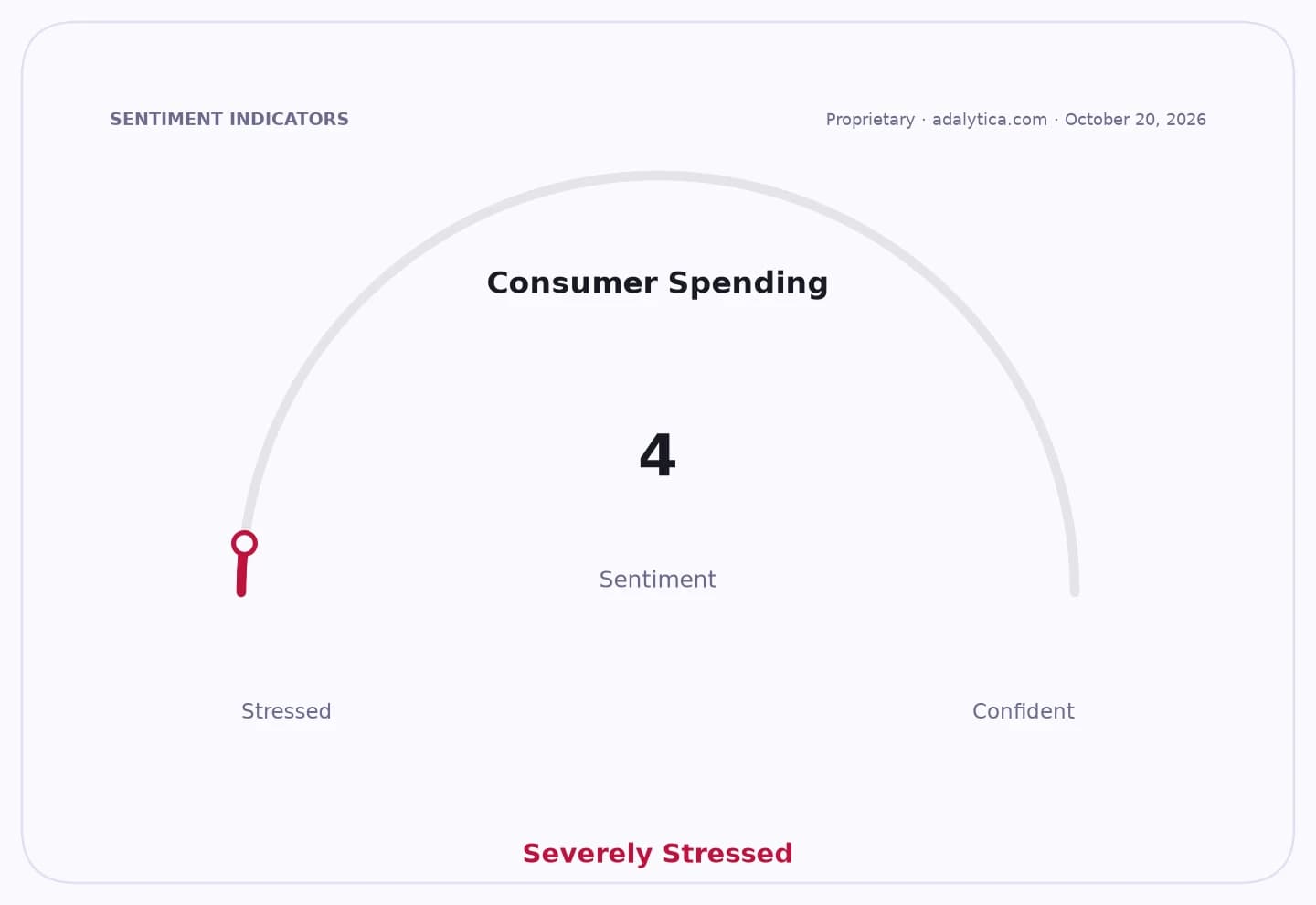
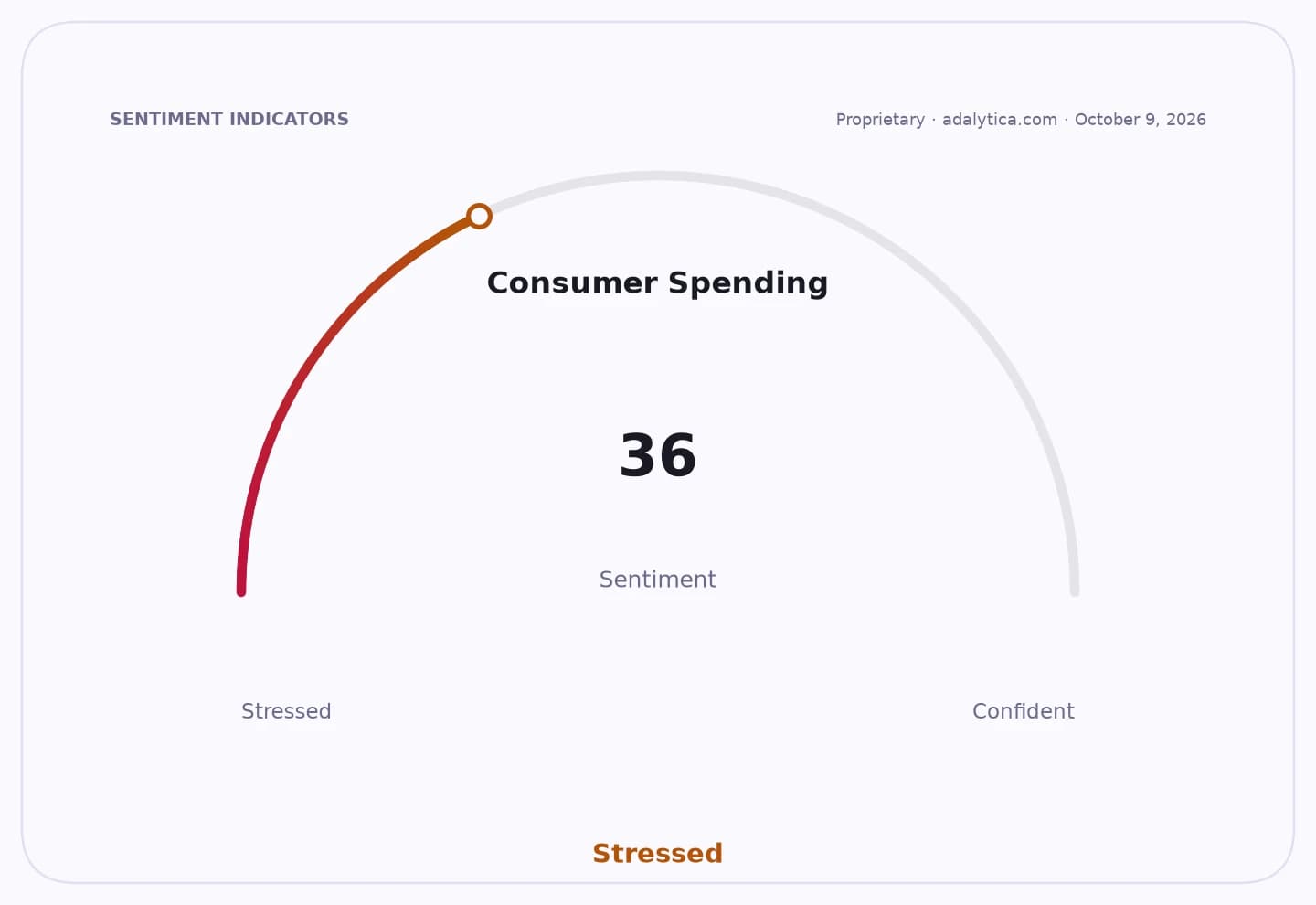
Sentiment Indicators
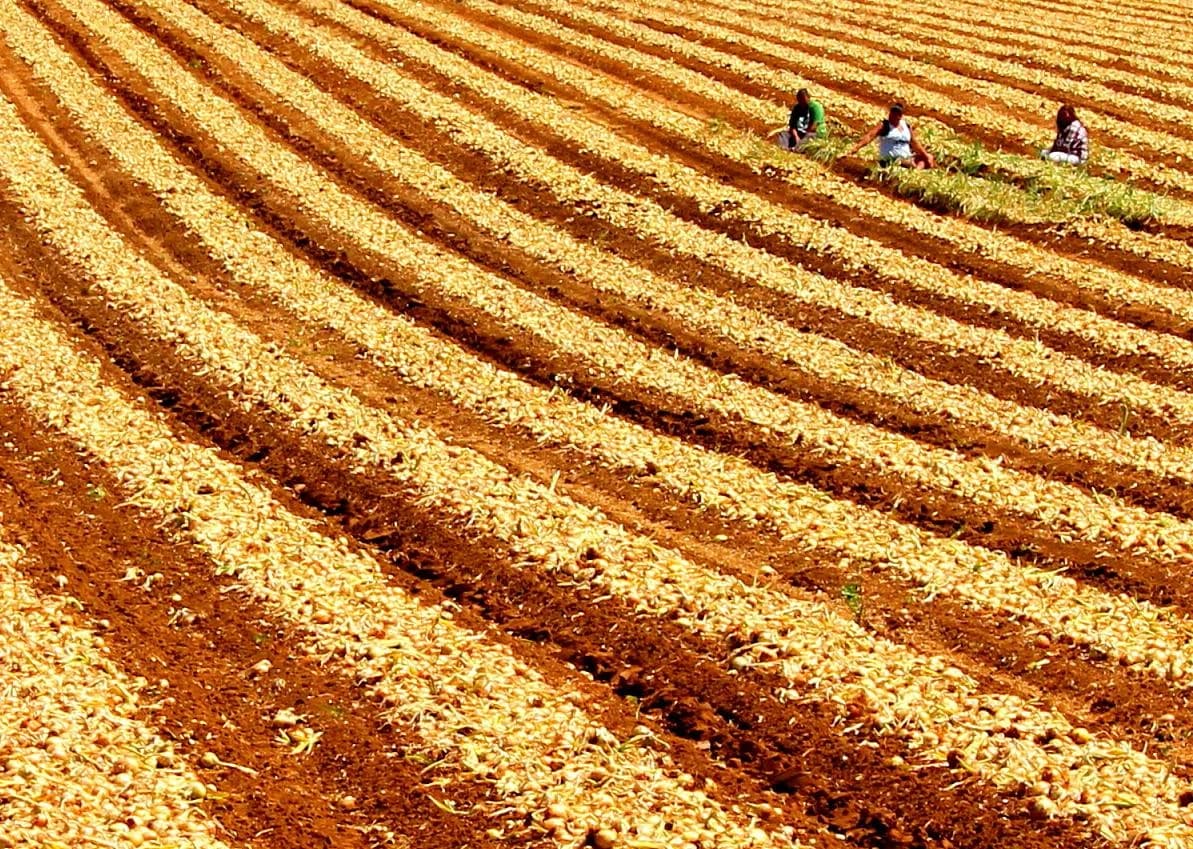
Food is doing most of the heavy lifting. INEI said non-alcoholic food and beverages were the main contributor to the monthly increase, with prices rising on shortages in vegetables, tubers and fish. The sharpest gains included corn, up 38.4%; carrots, 21%; green peas, 20.7%; olluco, 12.8%; yellow and colored potatoes, both above 10%; and onions, also up 10.9%. Fish prices also rose, with bonito up 22.9% and lisa 8.9%, reflecting weaker supply in markets.
For consumers, the impact is visible on the ground. At the Altiplano market in Miraflores, traders said lemon had climbed to 6 soles a kilogram from about 5 soles weeks earlier, onions to 3.50 soles from 2.50 soles, and green peas to 8 soles from 4-5 soles. Tomatoes are now selling for 4 to 5 soles depending on quality.
Fuel and household energy are adding another layer of pressure. Gasoline regular in Arequipa is selling from 20.35 soles per gallon, while premium gasoline reaches 22.67 soles in some stations. Diesel DB5 S-50 is as high as 24.99 soles per gallon, and cooking gas cylinders of 10 kilograms range from 48 soles to 54 soles depending on district. That keeps transport and distribution costs elevated, feeding through to retail prices and making inflation stickier even if some food items eventually normalize.
The bigger economic story is that Arequipa is now feeling both supply shocks and imported cost pressure at once. The INEI linked the latest jump to adverse weather and the effects of El Niño Costero, which hurt agricultural and fishing output, as well as higher international fuel prices. That combination is especially painful for a region where household consumption is highly sensitive to food and energy prices.
For investors, the message is less about the city itself than about the broader inflation mix in Peru. Persistent food and fuel inflation can keep pressure on consumer spending, weigh on retail volumes, and complicate the policy outlook if price gains spread beyond perishables. The situation also favors defensive spending patterns: households will likely trade down to cheaper staples, while businesses exposed to transport, logistics and food inputs face margin pressure.
The near-term risk is that supply constraints remain unresolved. If weather disruptions continue, fish landings stay weak and fuel prices remain elevated, Arequipa’s inflation could stay above the national average into year-end, keeping real purchasing power under strain and leaving little relief for basic basket shoppers.
| Entity | Gains | Losses |
|---|---|---|
| Food producers with scarce supply | ▲Higher selling prices | ▼Consumers facing shortages |
| Fuel distributors and suppliers | ▲Pass-through pricing power | ▼Transport-dependent households |
| Retailers of basic staples | ▲Strong nominal turnover | ▼Volume-sensitive low-income buyers |
| Arequipa households | ▲None | ▼Real purchasing power |