Transportation costs in Lima climbed 15.75% in the year through October, a surge that is outpacing overall inflation and squeezing household budgets in Peru’s capital.
Lima Transport Inflation Rises 15.75% Through October
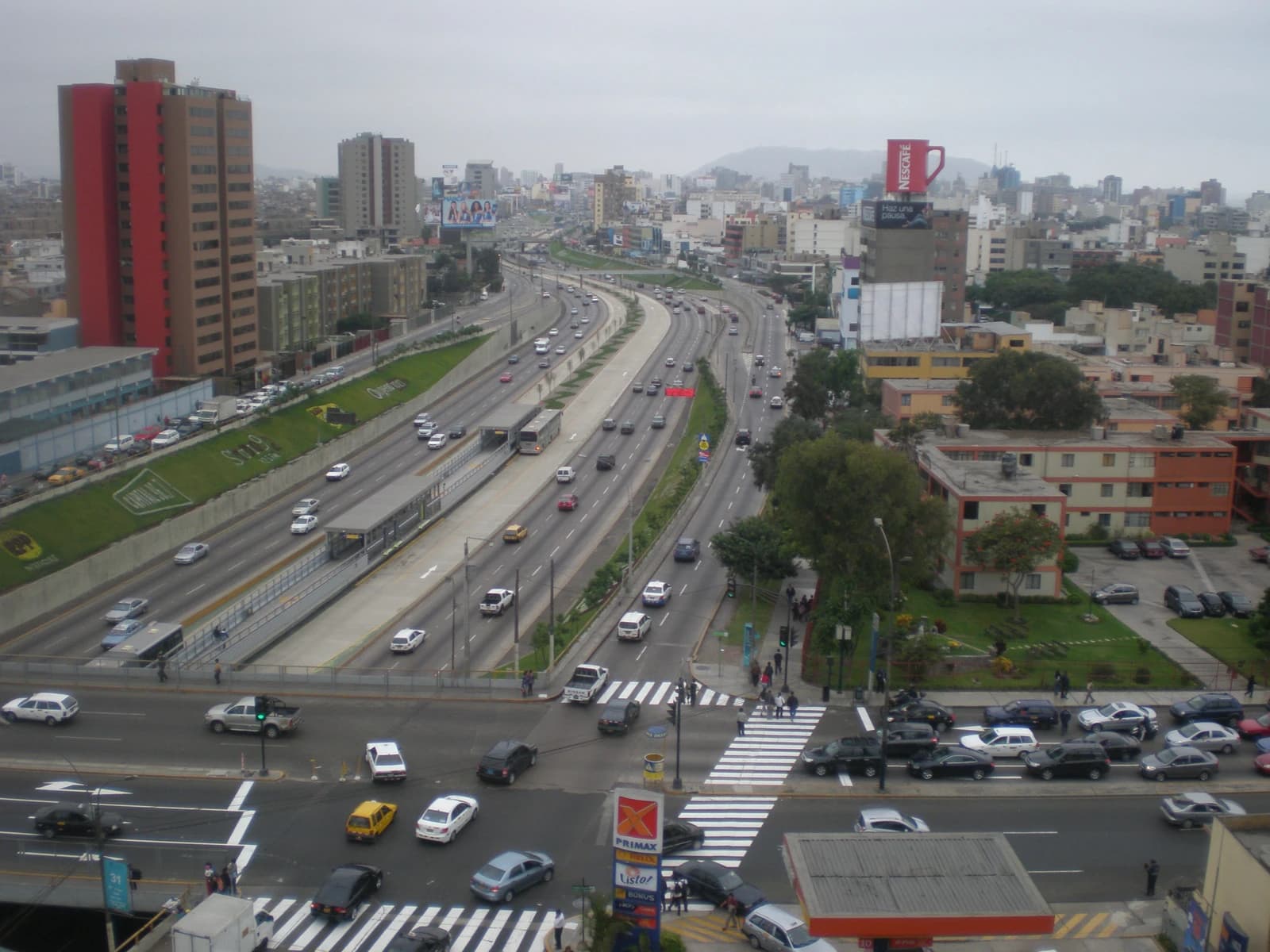
The increase matters because transport is one of the most visible and unavoidable expenses for families, workers and businesses. When getting around a city becomes materially more expensive than the broader cost of living, it feeds through quickly to commuting costs, delivery charges and the price of moving goods — all of which can keep inflation sticky even if other categories cool.
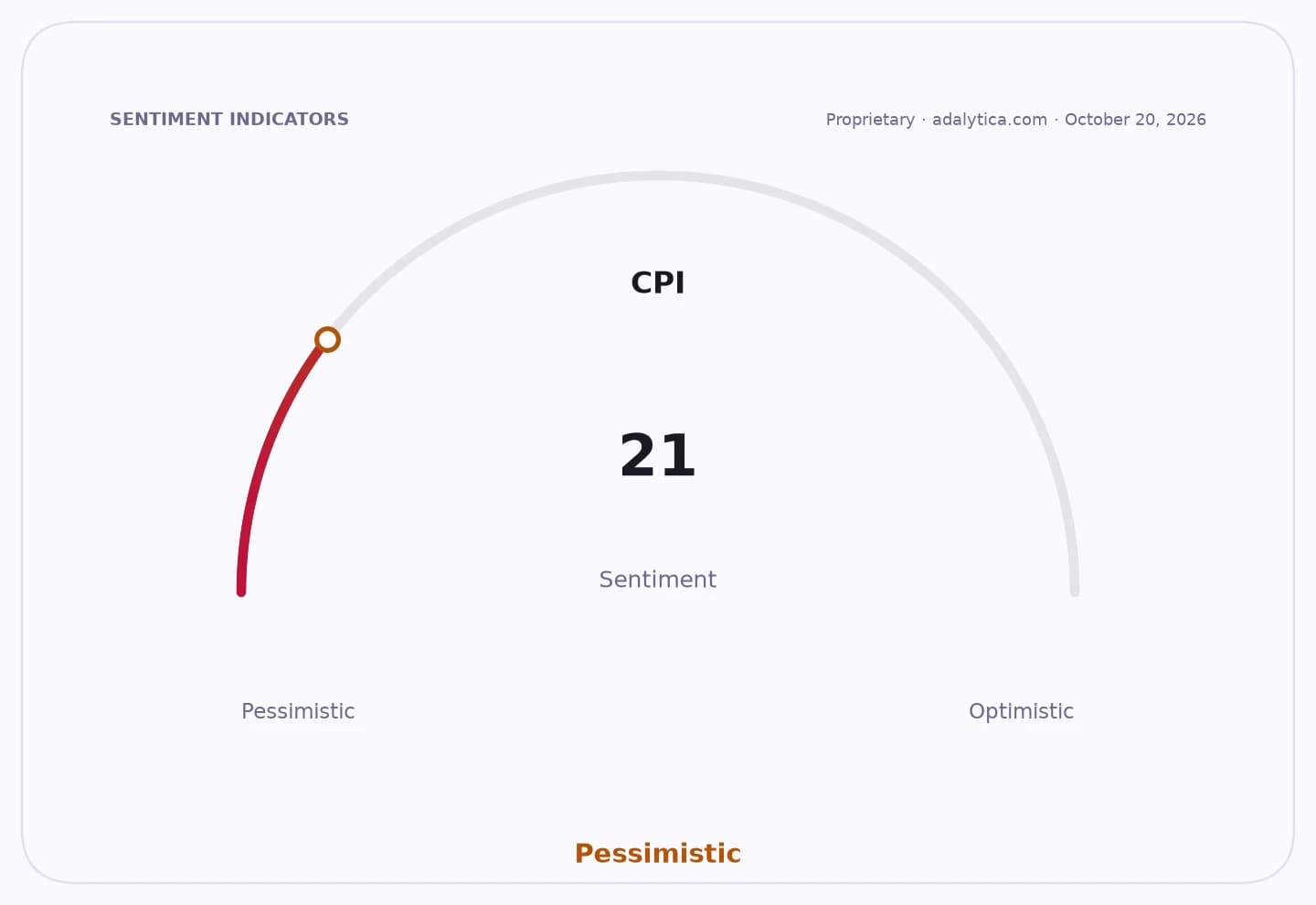
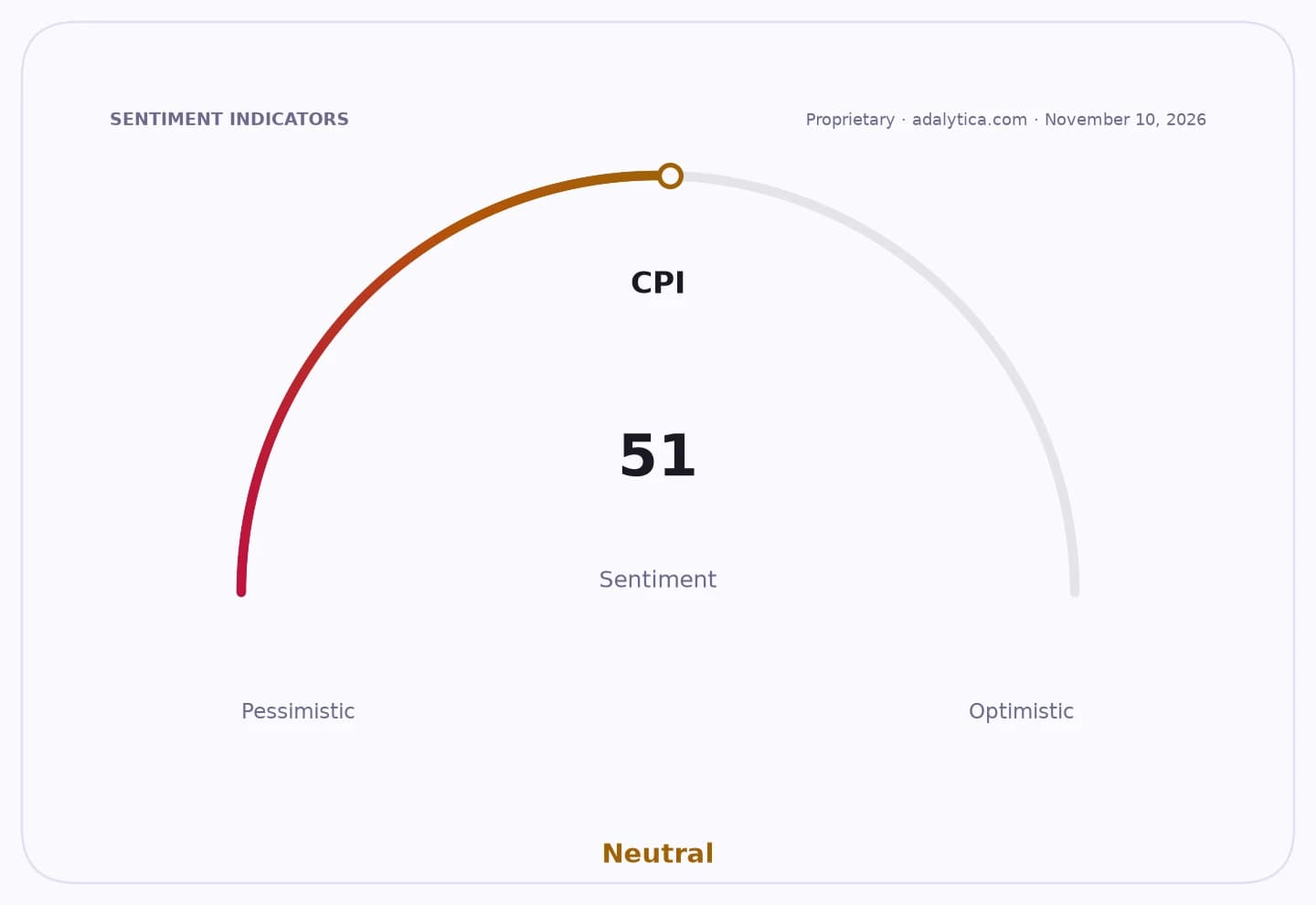
Sentiment Indicators
According to Peru’s statistics agency, the transport category in metropolitan Lima rose well above the city’s 5.25% overall inflation rate in the same period. That gap suggests the shock is not just a general price trend, but a specific pressure point tied to mobility. For investors, that matters because transport inflation can spill into consumer spending, margins for service companies and the policy outlook for the central bank if price pressures prove broad-based.
The backdrop also points to a familiar macro story: energy and currency swings tend to hit transport first. In global markets, oil has remained volatile, and higher fuel costs usually show up quickly in fares, freight and logistics. If those inputs stay elevated, the rise in transport prices can outlast a single month and become a stubborn source of inflation.
For long-term investors, the key question is not whether prices jumped in one month, but whether Peru can prevent transport inflation from becoming entrenched. If it does, consumers will have less room to spend elsewhere, and companies tied to discretionary demand may feel the pinch. If it fades, the shock may be temporary. Either way, the jump is worth watching because transport is one of the clearest channels through which inflation reaches everyday life.
| Entity | Gains | Losses |
|---|---|---|
| Fuel suppliers | ▲Higher demand revenue | ▼ |
| Transport users | ▲ | ▼Higher commuting costs |
| Lima households | ▲ | ▼Less disposable income |
| Consumer businesses | ▲ | ▼Weaker spending power |