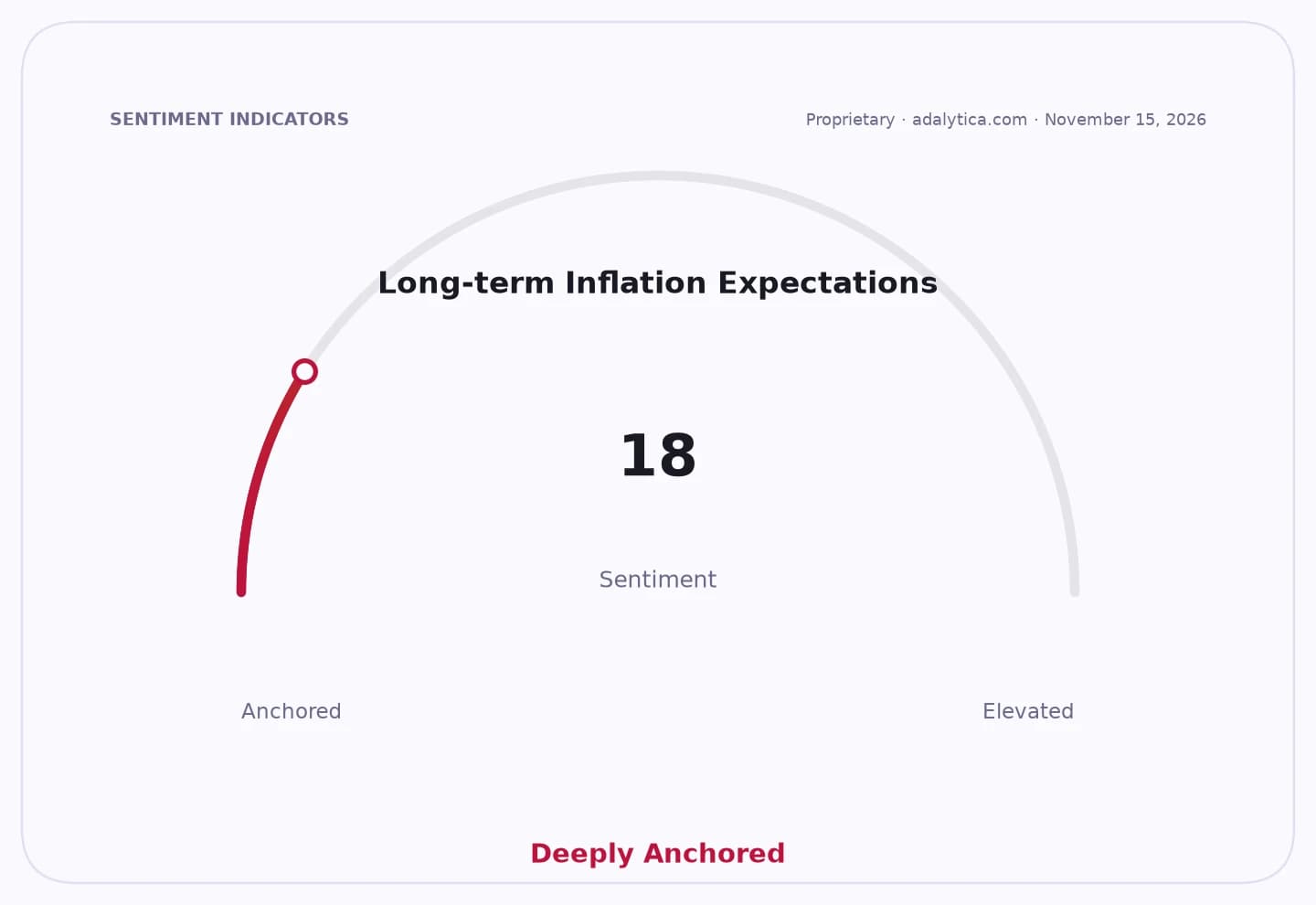
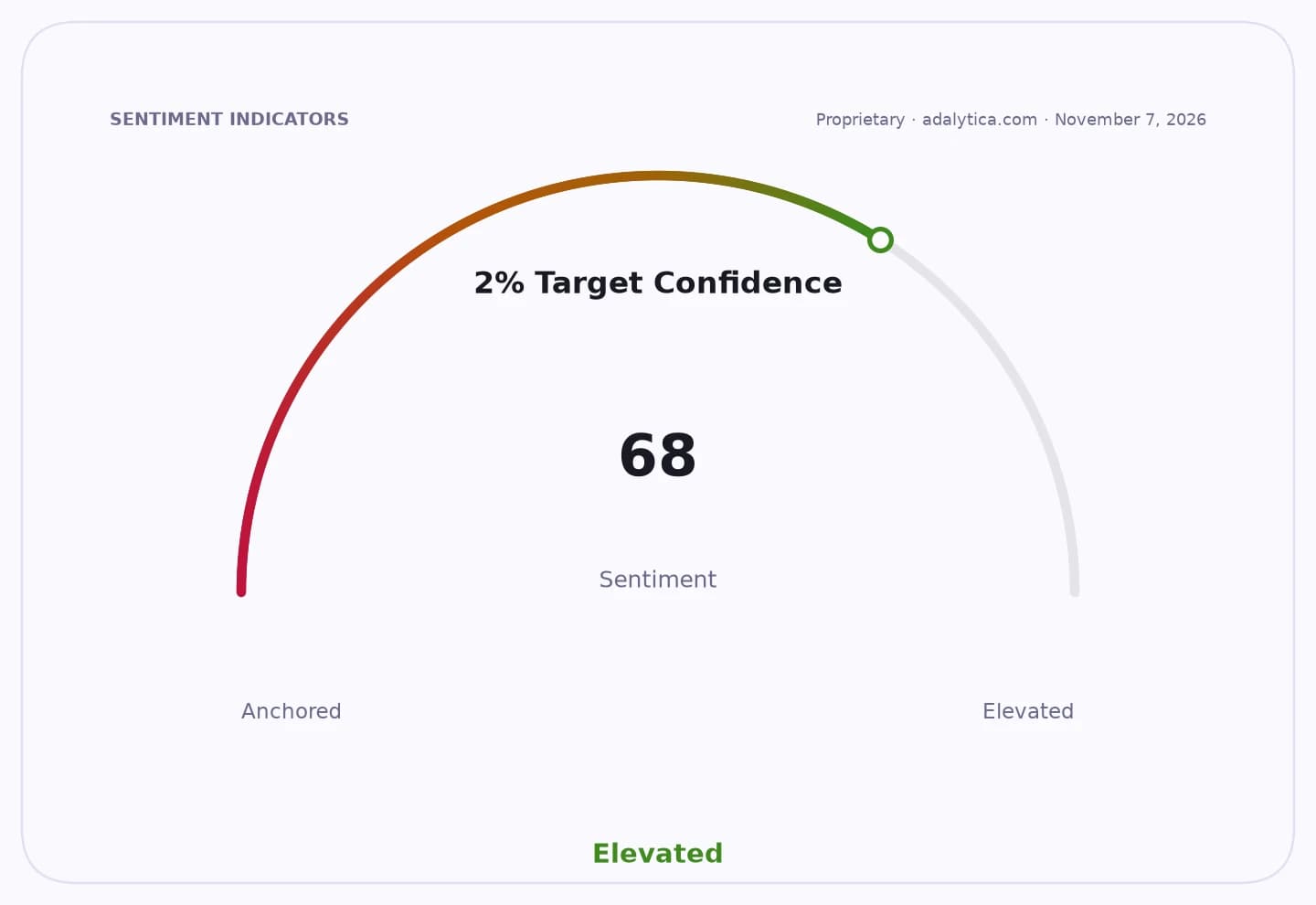
Egypt’s slowing core inflation is giving policymakers more room to keep cutting borrowing costs, even as currency weakness still threatens to reignite price pressures.
Egypt core inflation eases as rate cuts remain possible
The central bank said core inflation eased to 13.1% in October 2026 from 14.1% in September, while monthly core prices rose 1.2%, slower than the 2% pace a year earlier. Urban inflation, which the state statistics agency tracks separately, also cooled to 12.7% from 13.9%, reinforcing the picture of a broader moderation in price growth across the economy.
For Egypt, the decline matters because inflation has been the main constraint on monetary policy and consumer demand for much of the past two years. Slowing price gains improve the real income outlook for households, ease cost pressure on businesses and give the central bank more scope to support growth through lower rates, provided the currency remains stable enough to prevent another inflationary surge.
The data also comes at a time when Egypt’s macro backdrop is improving. The African Development Bank has raised its 2026 growth forecast for the country to 5.1% from 4%, helped by better external conditions and reform efforts aimed at rebuilding foreign-exchange reserves and drawing investment. A softer inflation profile supports that narrative by reducing the likelihood that policymakers need to keep monetary policy overly restrictive.
Still, the path lower is unlikely to be linear. Egypt remains exposed to imported inflation because of its dependence on foreign currency for essential goods and energy, and any renewed pressure on the pound could quickly filter into prices. That means the recent slowdown is encouraging, but not yet a clear signal that inflation risks have been defeated.
For investors, the immediate implications are twofold: the bond market may read the data as supportive of continued easing in rates, while equity investors will focus on whether lower inflation can translate into stronger consumer demand and better corporate margins. The key test will be whether the current disinflation trend can persist without a fresh currency shock, allowing Egypt to keep balancing growth support with price stability.
| Entity | Gains | Losses |
|---|---|---|
| Egyptian borrowers | ▲Lower financing costs | ▼Less urgent need for tight policy |
| Egyptian consumers | ▲Slight relief in real purchasing power | ▼Still exposed to price shocks |
| Central bank | ▲More room for easing | ▼Ongoing currency-risk vigilance |
| Bond investors | ▲Supportive rate outlook | ▼Higher inflation if pound weakens |