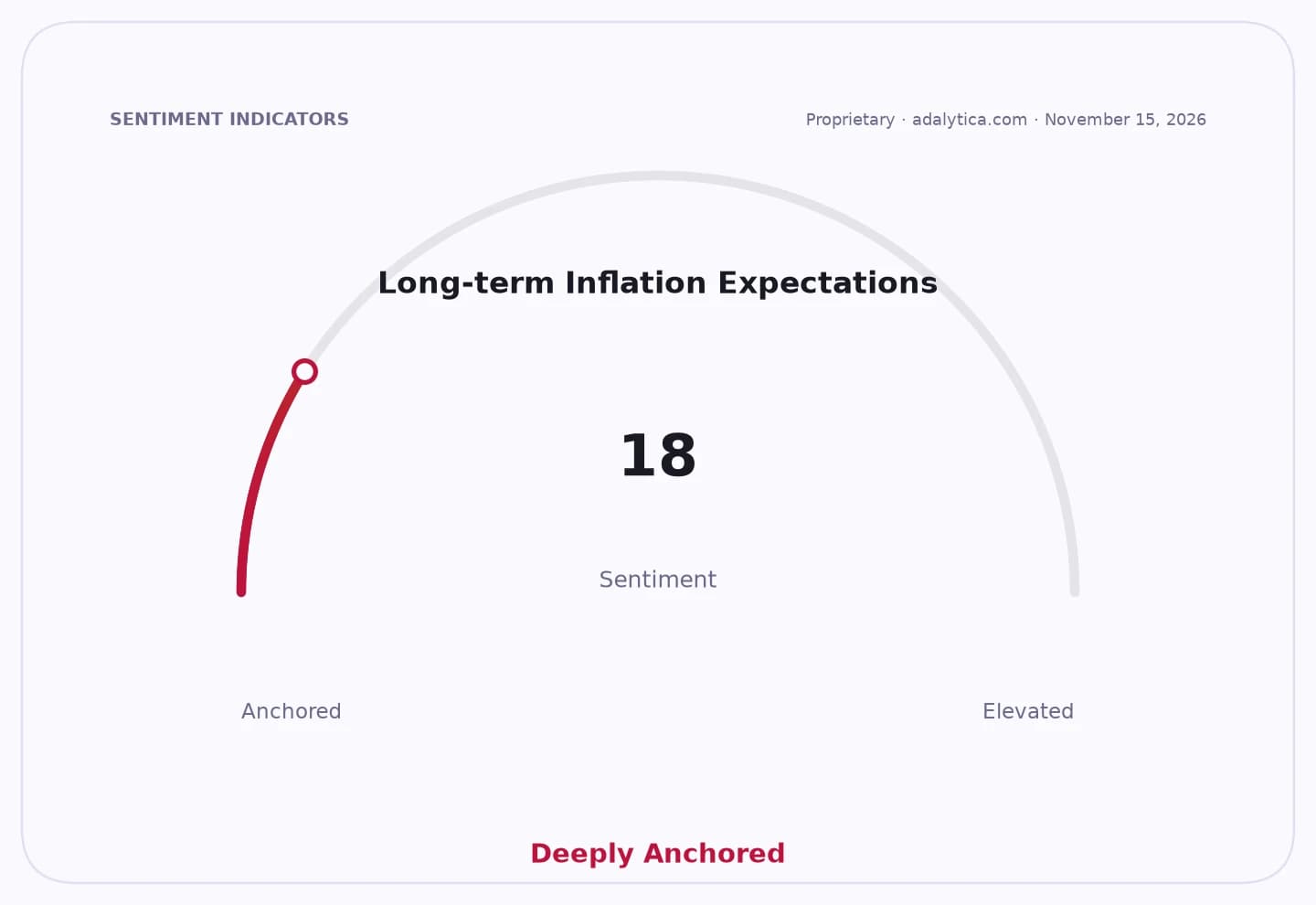
Egypt’s central bank is leaning harder on data and technology as it tries to bring inflation under control, a shift that matters because steadier prices are the foundation for lower rates, a more predictable currency and better conditions for long-term investment.
Egypt Central Bank Uses Data to Fight Inflation
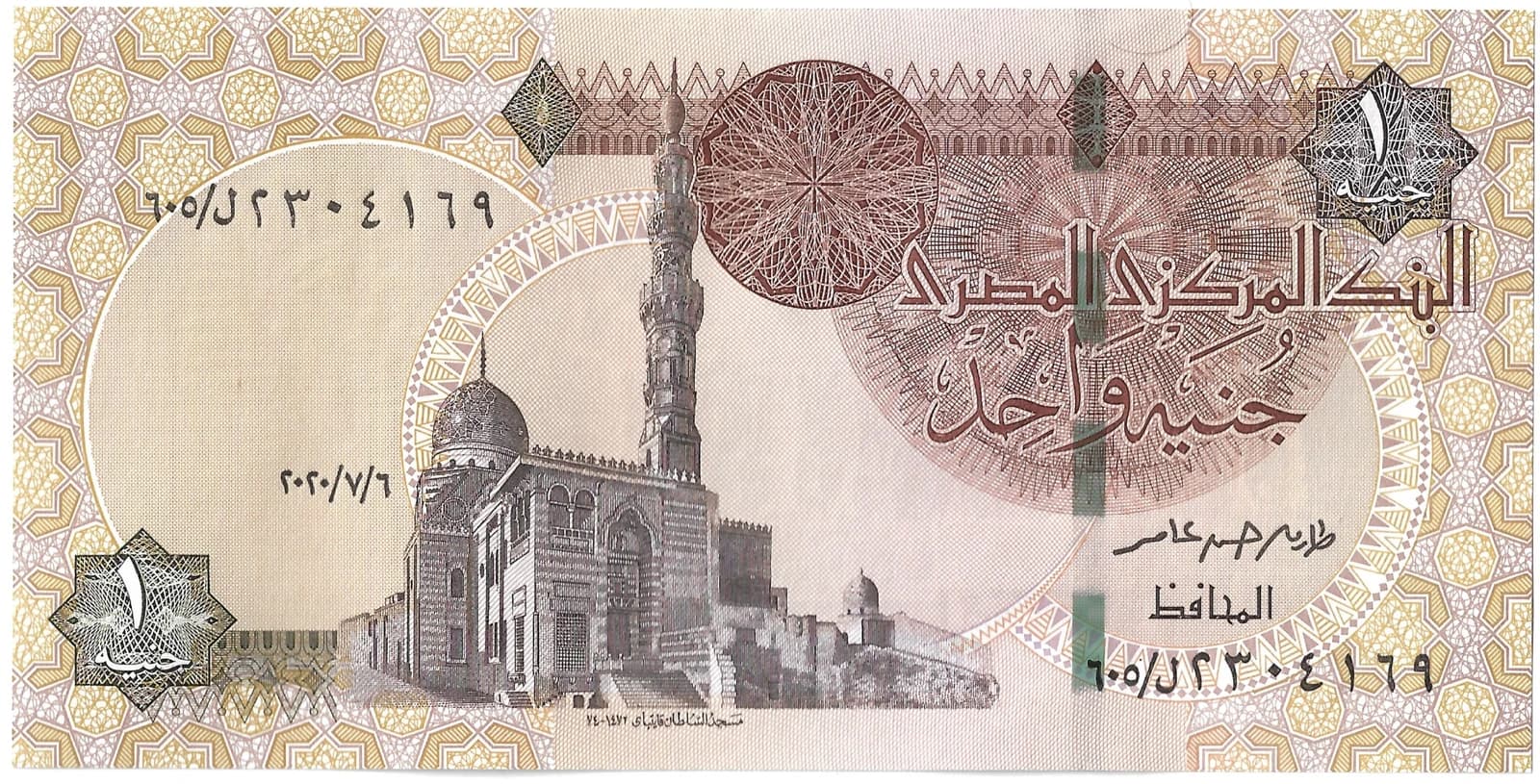
Rami Abu Al-Naga, the central bank’s deputy governor, said tracking economic indicators continuously and analyzing market data is essential to meeting inflation targets. He added that technology and data science help officials understand economic developments faster and build more accurate scenarios for policy decisions.
Sentiment Indicators
That is not just a modernization talking point. For investors, the real significance is that a more data-driven central bank can respond faster to shocks, reduce policy errors and improve credibility at a time when inflation management remains one of Egypt’s biggest macroeconomic challenges. When policymakers can forecast changes more accurately, they are better positioned to avoid over-tightening or easing too early — both of which can hurt growth, banks and the wider economy.
Abu Al-Naga said these tools improve the central bank’s ability to anticipate future shifts and make more efficient monetary decisions aimed at economic stability. That aligns with a broader policy push in Egypt, where authorities have made taming inflation and supporting the currency a priority after a period of price pressure that has strained households and businesses.
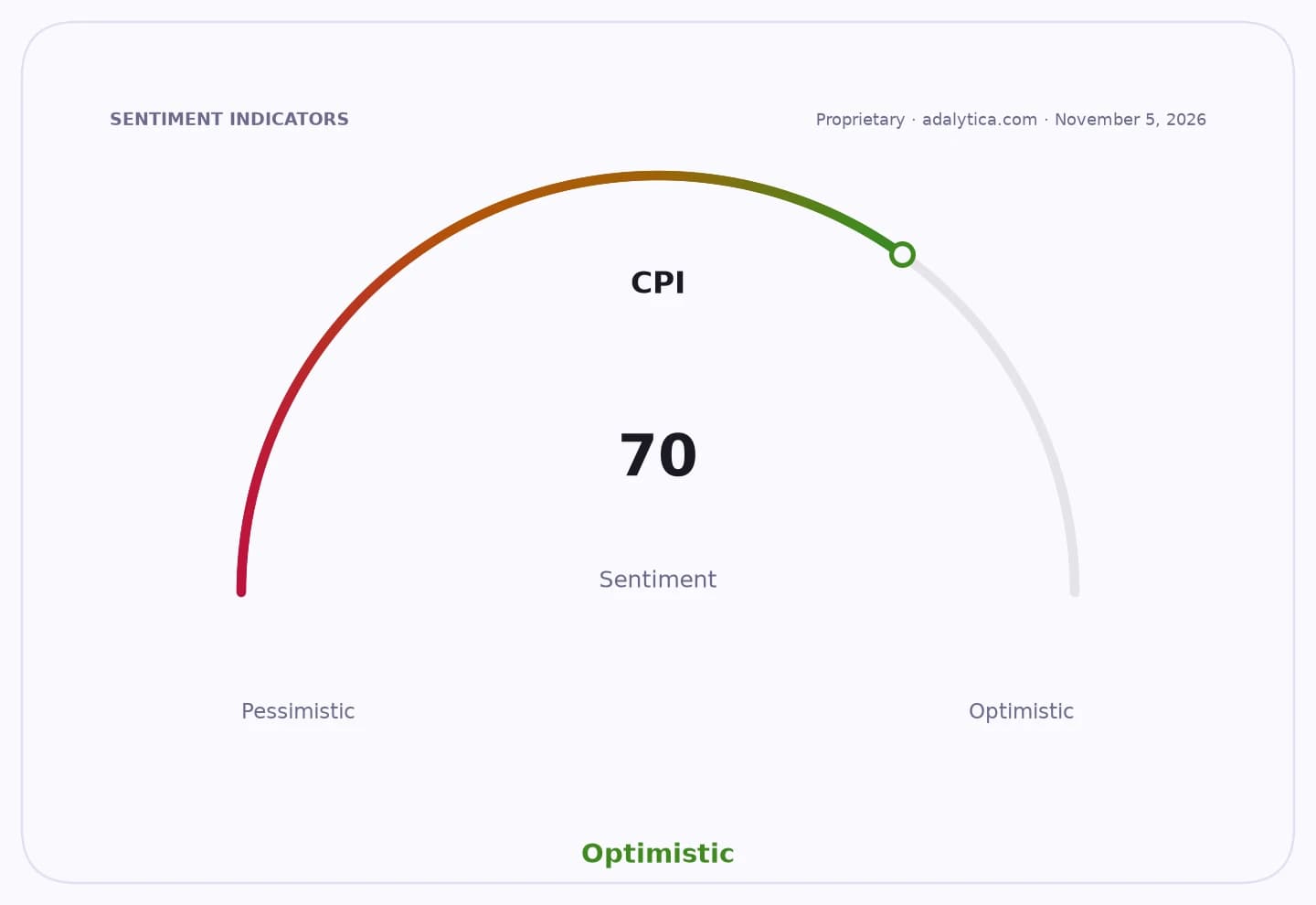
CPI — 30-day sentimentadalytica.com
Explore this data interactively — full history, time series and cross-market comparisons.
The central bank is also updating the legal and regulatory framework to keep pace with the digital shift. Abu Al-Naga pointed to amendments to Egypt’s banking law in 2020, which introduced rules for electronic payments, fintech and digital business models. For investors, that matters because clearer rules can accelerate financial innovation, deepen payment adoption and create new opportunities for banks and technology-linked financial services.
The long-term takeaway is straightforward: inflation control is no longer just about interest rates. It is increasingly about data, speed and the quality of policy execution. If Egypt’s central bank can use technology to make better decisions and keep inflation on a downward path, that should support confidence in the currency, improve the investment backdrop and reward patient investors with a more stable macro environment. It is worth watching for those with a multi-year horizon.
| Entity | Gains | Losses |
|---|---|---|
| Egypt’s central bank | ▲Better policy decisions | ▼Less room for guesswork |
| Savers and investors | ▲More stable inflation outlook | ▼Volatile pricing environment |
| Banks and fintech firms | ▲Clearer digital rules | ▼Slower legacy models |
| Consumers and businesses | ▲More predictable costs | ▼Inflation pressure |