Egypt’s slowdown in October inflation may prove temporary, with economists warning that the pound’s slide to 56 per dollar could feed through into prices in November and complicate the central bank’s effort to contain demand-driven inflation.
Egypt inflation outlook after pound falls to 56 per dollar
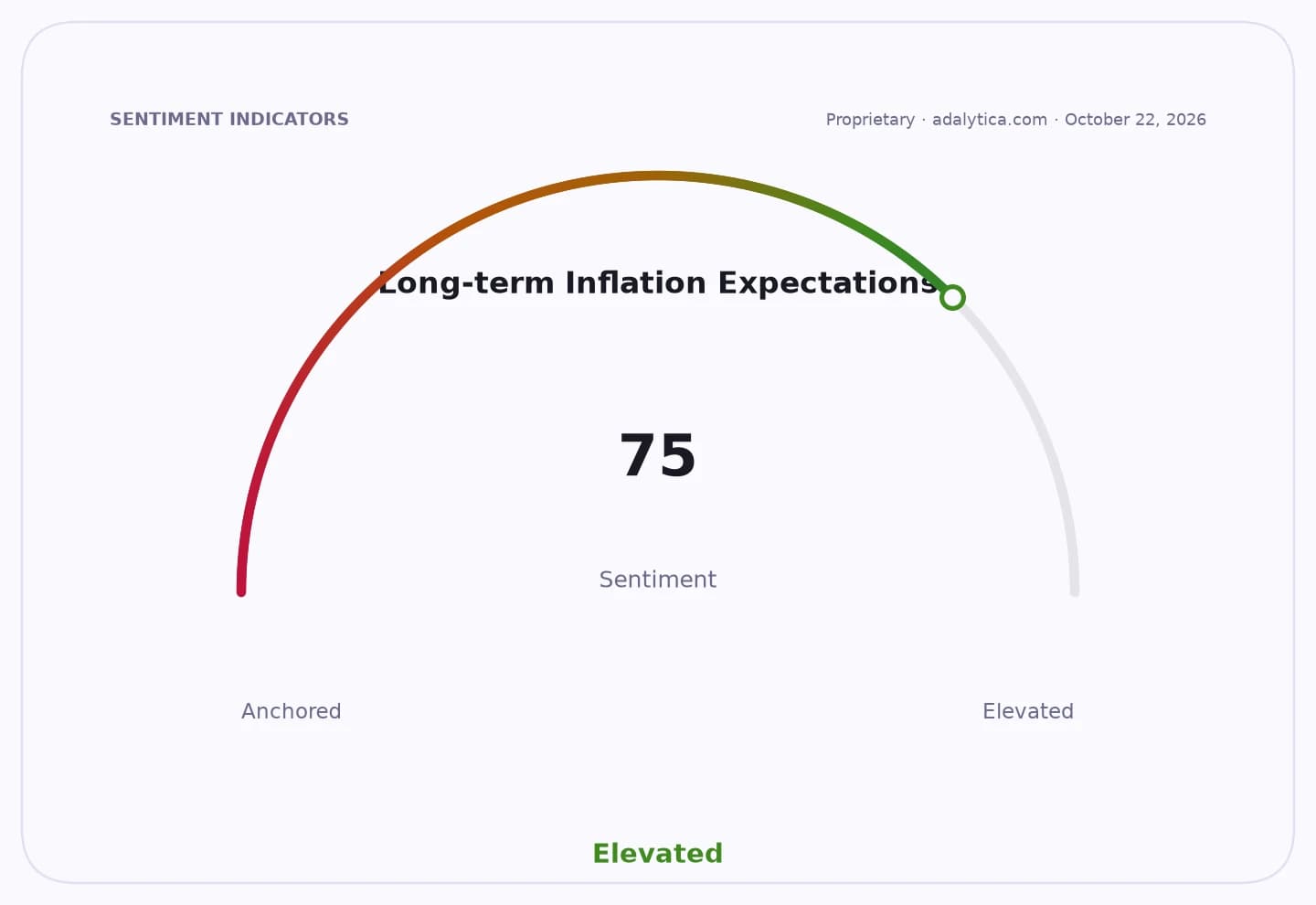
Long-term Inflation Expectations
Dr. Medhat Nafi, an economics professor at Cairo University, said the cooler October reading did not reflect a genuine easing in living costs, but rather base effects and seasonal declines in food and agricultural prices. The more important risk, he argued, is that the currency’s weakness and still-elevated fuel costs have not yet fully shown up in the data.
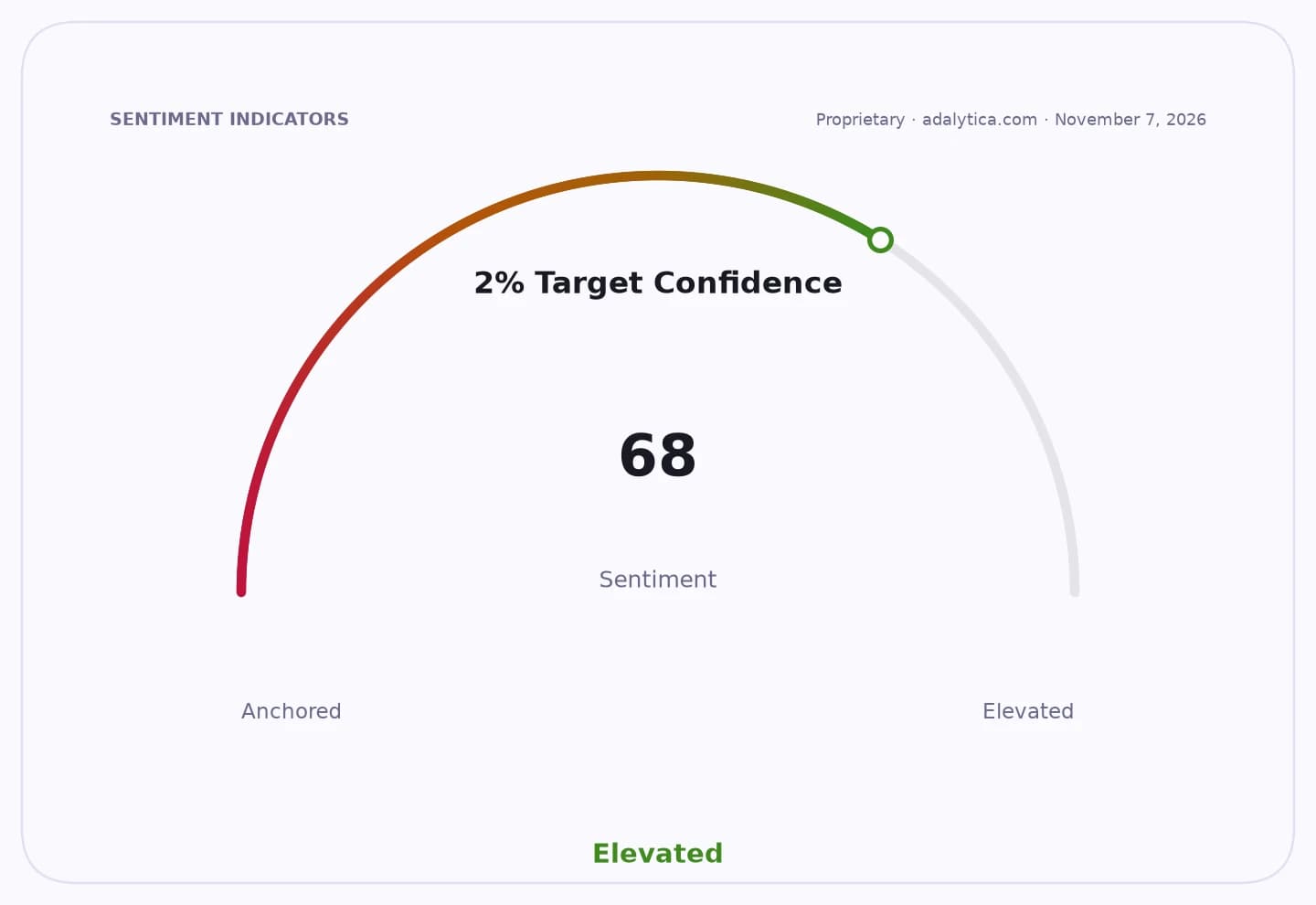
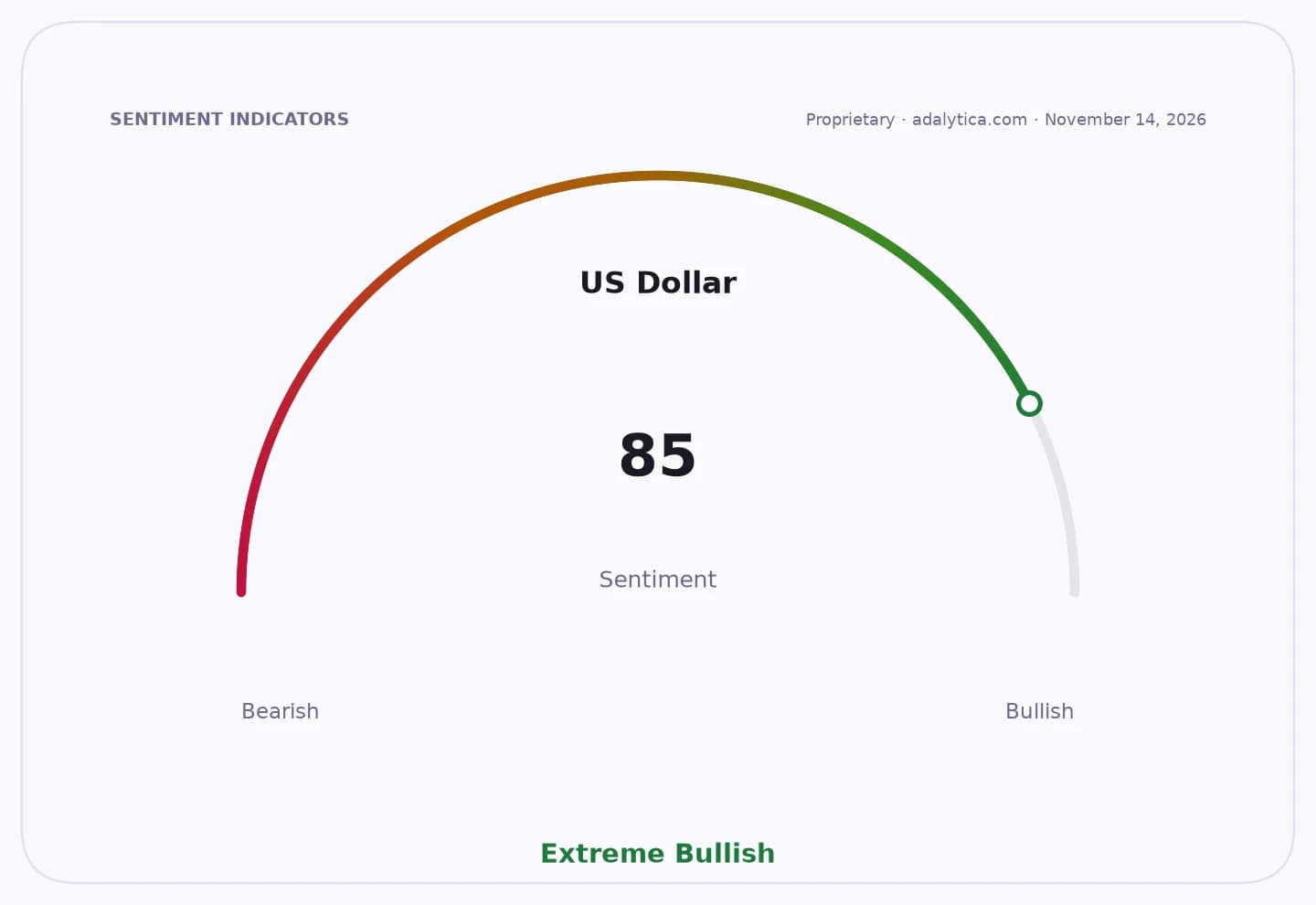
Sentiment Indicators
That matters because Egypt is still trying to stabilize inflation while managing a fragile currency and a tight external financing backdrop. The central bank recently raised interest rates by 1 percentage point to absorb excess liquidity, but the lagged impact of exchange-rate moves means November figures will be watched closely for evidence that imported inflation is reaccelerating.
A weaker pound raises the local-currency cost of imported food, fuel, industrial inputs and consumer goods, making it harder to preserve real incomes and more expensive for businesses to plan pricing. If the dollar holds near 56 pounds, the pass-through could be especially visible in discretionary spending and basic staples, where retailers often adjust prices quickly once inventory bought at older exchange rates runs out.
For investors, the question is whether October’s moderation is the start of a trend or just a pause before another inflationary wave. Egypt has secured additional external support, including World Bank financing, and foreign reserves have improved, but those buffers do not remove the short-term transmission of a weaker currency into prices. The African Development Bank has projected average inflation of 13% for 2026, underscoring how sensitive the outlook remains to exchange-rate moves.
Nafi also linked the inflation outlook to policy choices on energy and industry, saying higher fuel prices add to cost pressure even when monthly inflation appears softer. He backed cutting gas supplies to fertilizer plants and said the measure should be extended to cement and iron producers, a sign that energy rationing and input costs remain central to the inflation debate.
For markets, the next catalyst is November’s consumer-price data. A muted reading would support the view that earlier policy tightening is working and that base effects are still dominant. A stronger print would reinforce expectations that the currency’s depreciation and fuel adjustments are still working their way through the economy, keeping pressure on rates, consumer demand and corporate margins.
| Entity | Gains | Losses |
|---|---|---|
| Central bank | ▲Tighter liquidity control | ▼Slower growth outlook |
| Consumers | ▲Lower monthly inflation pace | ▼Real purchasing power |
| Importers | ▲None | ▼Higher input costs |
| Domestic producers with FX costs | ▲Potential pricing power | ▼Margin squeeze |