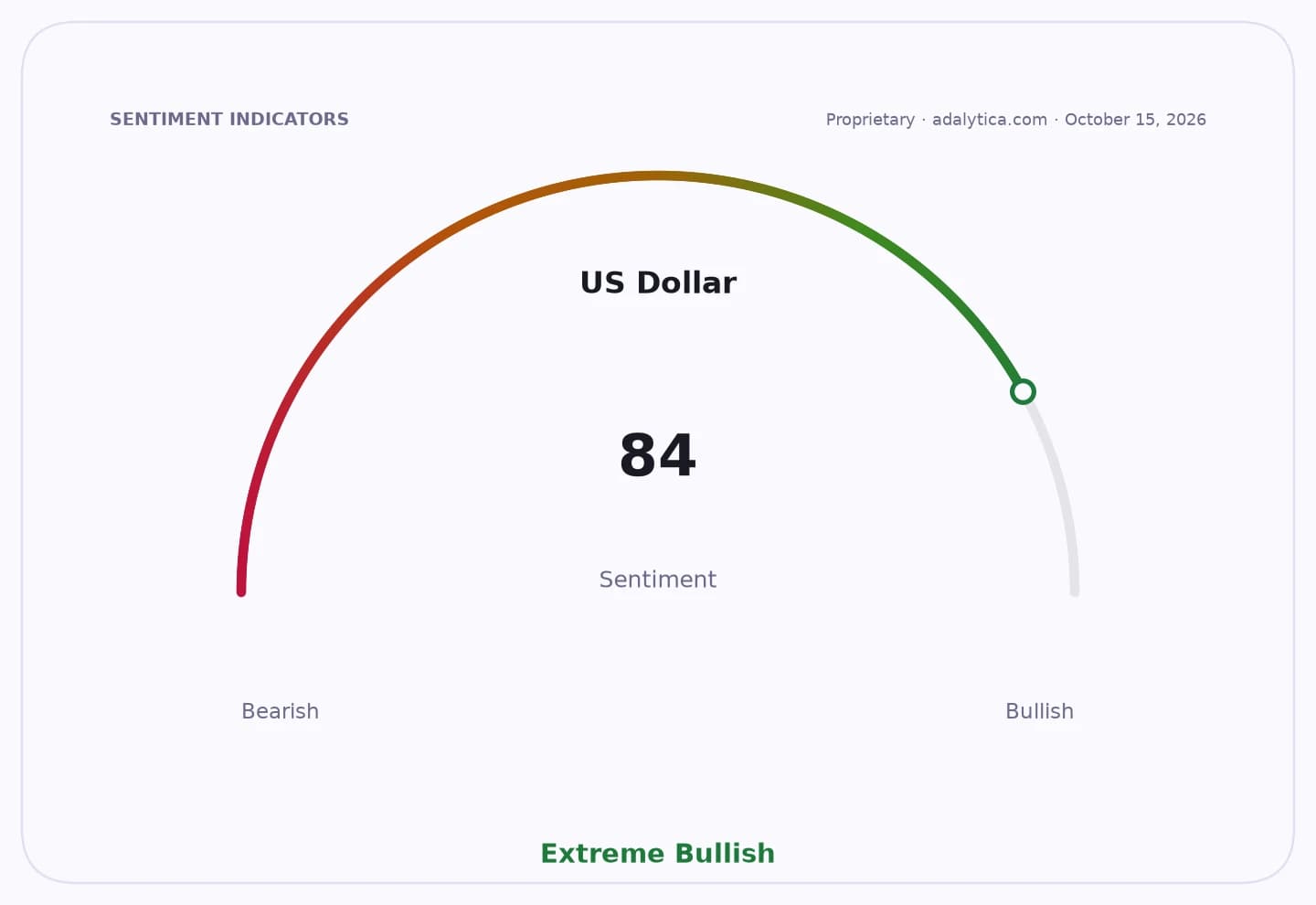
The euro weakened against the Egyptian pound on Sunday as foreign-exchange markets stayed under pressure from a firmer dollar and elevated volatility, with banks quoting the U.S. currency as high as 54.20 pounds.
Euro Falls Against Egyptian Pound as Dollar Stays Strong
US Dollar
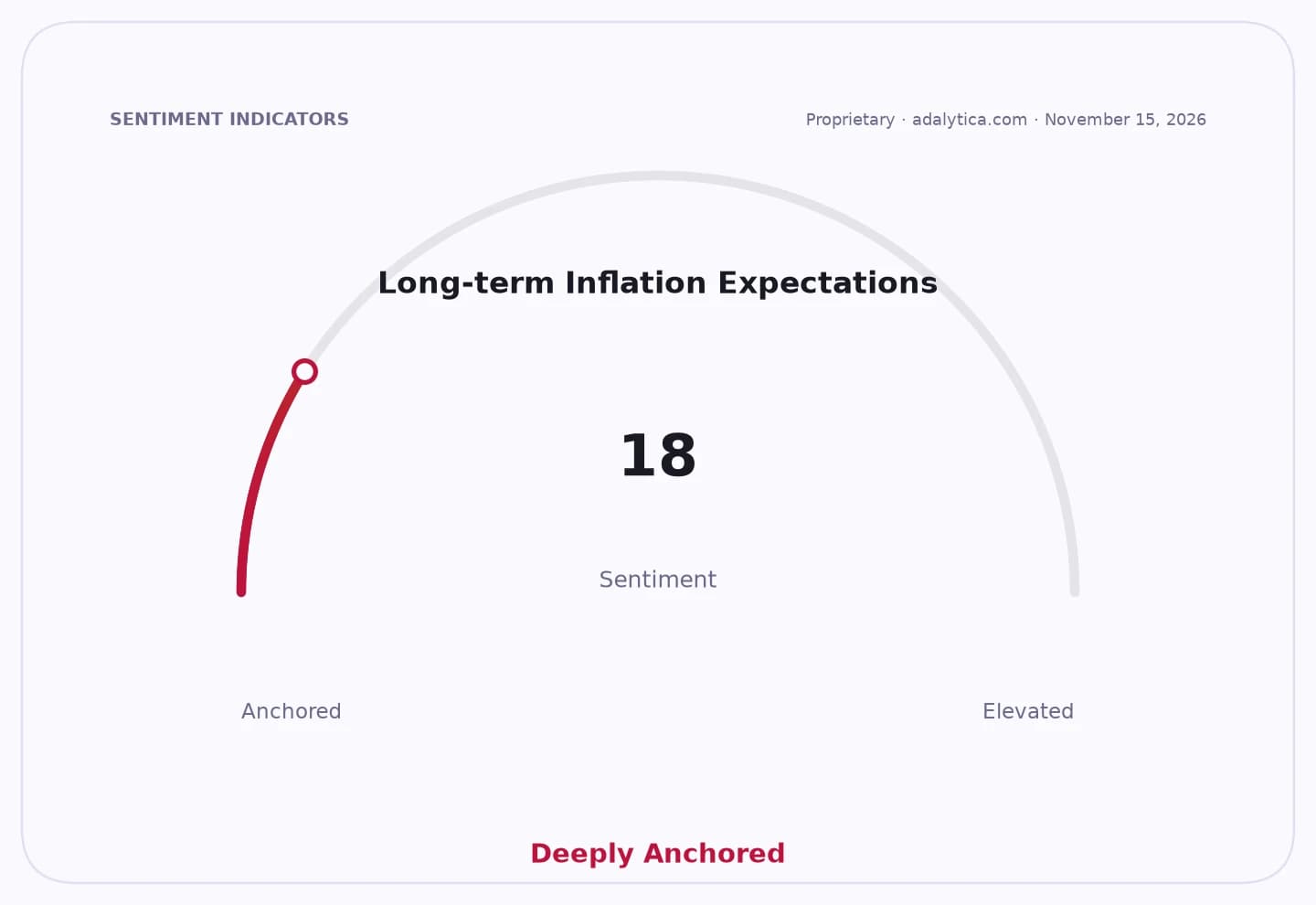
That move matters because Egypt remains highly sensitive to shifts in the dollar, import pricing and external financing conditions. A weaker euro against the pound is more than a daily quote: it feeds into the local cost of European imports, shapes inflation expectations and adds another layer of strain to an economy already managing tight foreign-currency liquidity.
Sentiment Indicators

At the same time, the broader Egyptian market is flashing caution. The Egyptian Exchange fell in early trading, with foreign investors leading selling pressure, while banks were also marking up other major Gulf currencies, including the Kuwaiti dinar and Saudi riyal, against the pound. The combination suggests the pound remains under broad valuation stress rather than facing an isolated move in the euro alone.
The euro’s decline is also consistent with the wider global backdrop. The dollar has remained supported by higher U.S. yields, with the 10-year Treasury yield around 4.88% and the two-year at 4.56%, levels that keep dollar assets attractive relative to low-yielding currencies. Against that backdrop, the euro has struggled to hold ground, and the FXE euro-tracking fund has drifted lower, closing at $101.71 on Nov. 13, below its 50-day moving average of $104.11 and its 200-day average of $106.02.

Technical readings on FXE also point to a fragile setup rather than a clean reversal. Its relative strength index stood at 35.4, close to oversold territory, while the MACD remained negative, underscoring the absence of strong buying momentum. EUR/USD, meanwhile, has hovered near 1.11, also below both its 50-day and 200-day moving averages, reflecting the same pressure seen in local bank pricing.
For investors, the significance lies in what the move says about relative currency resilience. A stronger dollar and weaker euro can support U.S. assets over euro-denominated ones, but they also tighten conditions for emerging markets that rely on dollar funding and imported goods. For Egypt, the risk is that currency weakness keeps imported inflation sticky and complicates corporate cost planning, especially for firms exposed to fuel, machinery, food and industrial inputs.
Market participants will watch whether the pound’s weakness broadens to other major currencies and whether the Egyptian authorities can stabilize FX conditions without further market disruption. If euro softness persists while dollar strength holds, pressure on local pricing and import-sensitive sectors is likely to remain elevated into the next round of trading.
| Entity | Gains | Losses |
|---|---|---|
| U.S. dollar | ▲Higher yield appeal | ▼Less risk appetite for global buyers |
| Egyptian importers | ▲None | ▼Higher euro-priced costs |
| Egyptian exporters | ▲Better local-currency receipts | ▼More volatile input pricing |
| Egyptian pound | ▲None | ▼Broad FX pressure |