Abu Dhabi’s move to offer Indian tourists a free three-month visa is aimed at one of the Gulf’s most important inbound travel markets and could help convert already-strong regional tourism demand into longer stays and higher spending.
Abu Dhabi offers Indian tourists free 3-month visa
The policy matters because India is among the fastest-growing sources of outbound travellers, and visa friction remains one of the most immediate barriers to turning intent into bookings. For Abu Dhabi, waiving the fee and extending the stay window is a relatively low-cost way to improve conversion, lift hotel occupancy and support spending in airports, retail, dining and attractions.
Sentiment IndicatorsⓘProprietary · adalytica.com · August 13, 2026
This is a snapshot — live sentiment, awareness and momentum for 130+ markets update continuously in the dashboard.Open AlphaPulse
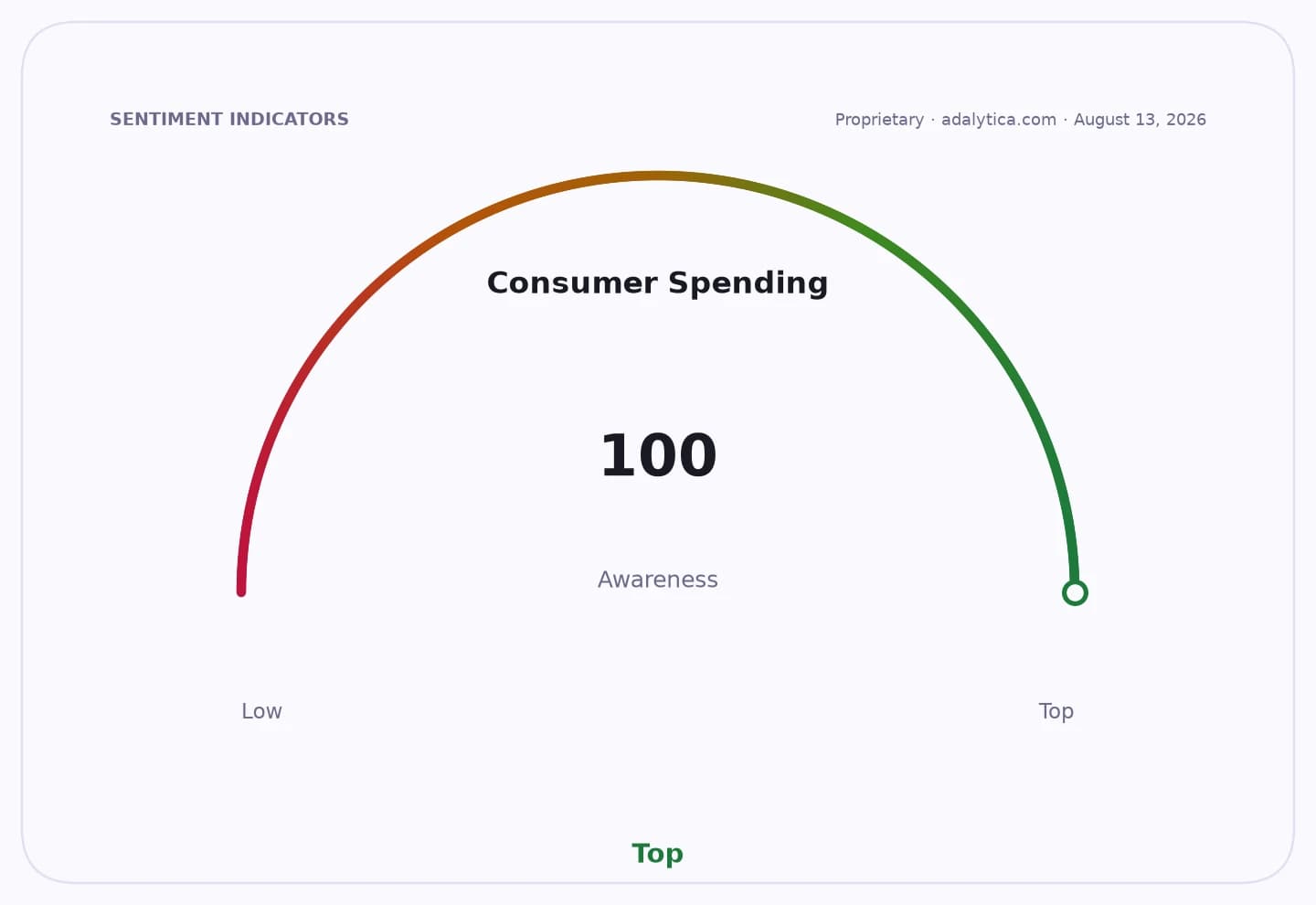
The timing also fits a broader tourism backdrop in which destinations are competing harder for discretionary travel dollars. Adalytica’s Consumer Spending Sentiment gauge remains in “Fear” territory at 29, even as awareness is at an extreme 100, suggesting households are still cautious but highly attentive to travel and leisure opportunities. That makes price-sensitive, convenience-driven offers like easier visas more relevant for travellers deciding where to go next.
For hotel operators, the policy is most relevant for demand mix rather than immediate headline growth. Indian leisure travel tends to favour family trips, multi-city itineraries and longer stays, which can support average daily rates and ancillary spend if airlines and hotels package the route well. It also strengthens Abu Dhabi’s position relative to rival Gulf hubs that are chasing the same outbound Indian traveller.
Market evidence already shows the sector is sensitive to shifts in travel demand. Indian hotel stocks have been volatile: EIH Ltd. has fallen to around 300.65 rupees from above 416 rupees a year earlier, while Indian Hotels Co. has retreated from July highs near 752 rupees to about 721.75 rupees. The recent pullback in both names leaves investors focused on whether inbound and domestic demand can sustain earnings growth rather than just fuel sentiment.
The bull case is that a simpler visa regime should increase tourist arrivals, improve hotel load factors and support premium properties that benefit from longer stays. The bear case is that a visa waiver alone does not fix broader constraints such as airfare, competition from other destinations or softer discretionary spending if consumer caution deepens.
For investors, the key question is whether Abu Dhabi can use policy to gain share in a growing but highly contested travel corridor. If the move lifts arrivals without forcing heavy discounting, it could be a positive read-through for Gulf hospitality, Indian travel agencies and regional airlines; if demand remains price-sensitive, the main benefit may be incremental rather than transformative.
| Entity | Gains | Losses |
|---|---|---|
| Abu Dhabi tourism sector | ▲More Indian arrivals | ▼Visa fee revenue |
| Indian tourists | ▲Lower travel friction | ▼Higher trip flexibility |
| Hotels and airlines | ▲More bookings, longer stays | ▼Pricing pressure if demand stays weak |
| Competing destinations | ▲— | ▼Some Indian outbound share |