Bill Ackman is framing two of the market’s most expensive-looking names — Amazon and Meta Platforms — as value stocks, a Berkshire Hathaway-style call that matters because it shifts the debate from near-term multiples to durable cash generation, balance-sheet strength and long-run compounding.
Ackman Frames Amazon and Meta as Value Stocks

The Pershing Square manager is effectively arguing that the biggest winners in the S&P 500 can still be bought on value terms when judged against their earnings power, not just their share prices. That lens matters to investors because it puts Amazon’s e-commerce and cloud franchise and Meta’s advertising engine in the same bucket as classic capital allocators: businesses that can keep funding growth, buybacks and optionality even in a higher-rate world.
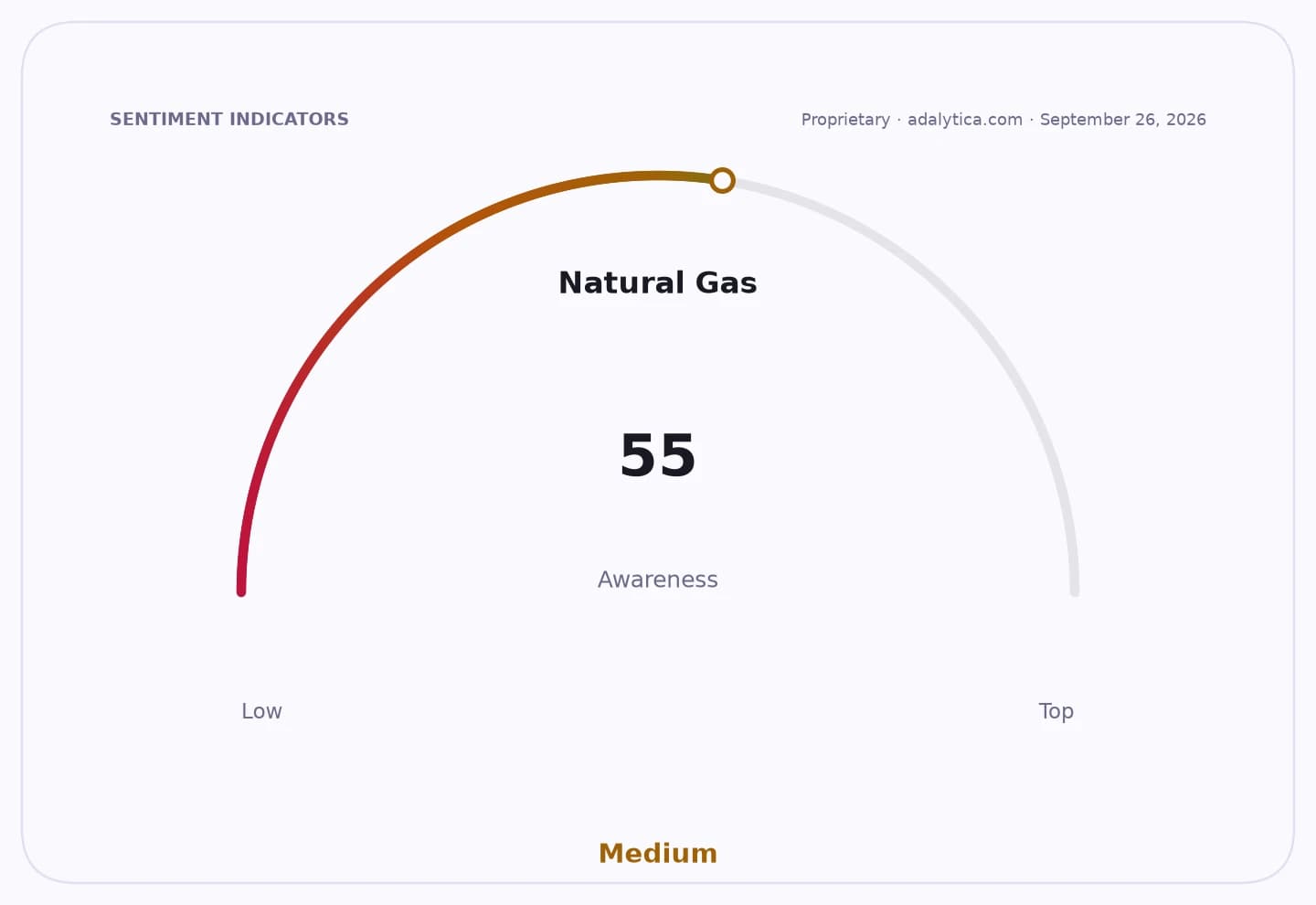
Sentiment IndicatorsⓘProprietary · adalytica.com · July 29, 2026
This is a snapshot — live sentiment, awareness and momentum for 130+ markets update continuously in the dashboard.Open AlphaPulse
That higher-rate backdrop is still the key macro test. The 10-year Treasury yield was last around 4.65%, with a forecast at 4.688% for July 28, while the federal funds rate sits near 3.63%, conditions that keep discount rates elevated and make long-duration growth stocks harder to justify unless cash flows are resilient. At the same time, U.S. gross domestic product continues to expand, with the latest forecast pointing to 32,358.0 in April, suggesting the economy is not in recession and leaving room for megacap profits to hold up.
The setup also helps explain why value investors are circling Amazon and Meta now. Amazon’s shares have climbed from a 2026 low near $210 to $230.86 on July 28, but the stock remains below its 50-day moving average at $247.72 and its 200-day average at $234.66, signaling the rally has not fully repaired the earlier drawdown. Meta has been more volatile, sliding to $593.41 on July 28 from $681.31 on July 15, with the stock now below both its 50-day average of $604.89 and its 200-day average of $635.92.
For investors, the appeal is not just cheapness in the traditional sense but quality at a reasonable price. Amazon still trades with operating leverage tied to AWS and retail margin recovery, while Meta continues to generate enormous ad cash flow even as it spends heavily on AI and Reality Labs, where the company has said losses remain structurally large. Both businesses can absorb expensive capital spending better than most peers, which is exactly the kind of moat-and-cash-flow profile Berkshire has historically favored.
Berkshire Hathaway itself remains part of the story because the comparison suggests Ackman is hunting for compounders rather than turnarounds. Berkshire’s B shares jumped to $512.37 on July 28, near their 52-week highs and above both the 50-day and 200-day moving averages, underscoring investor demand for companies seen as able to compound through different market regimes.
The broader market context is mixed but supportive of the trade. The S&P 500 trade signal snapshot from Adalytica shows neutral sentiment at 51, but awareness at 79, labeled greed, implying attention is building even as conviction stays uneven. The U.S. dollar trade signal shows extreme fear, a backdrop that can help multinational revenue streams, especially for Amazon and Meta, by supporting overseas earnings translation.
For shareholders, the risk is that these stocks remain hostage to rate expectations and AI spending scrutiny even if the long-term thesis holds. The next catalysts are Amazon’s execution on cloud growth and margins, Meta’s next earnings print and capital-allocation update, and any shift in Treasury yields that changes how investors value future cash flows.
| Entity | Gains | Losses |
|---|---|---|
| Amazon shareholders | ▲Value rerating narrative | ▼Short-term multiple skeptics |
| Meta shareholders | ▲Cash-flow compounding thesis | ▼Sellers worried about AI spend |
| Berkshire-style quality buyers | ▲Big-tech at “value” prices | ▼Deep-value purists |
| Higher-rate bears | ▲Less support if yields fall | ▼Longer-duration growth names |