Adhi Karya is at risk of missing a 60.8 billion rupiah bond coupon, a fresh sign that Indonesia’s state-linked construction companies are still wrestling with stretched balance sheets and weak cash generation.
Adhi Karya Faces 60.8 Billion Rupiah Coupon Risk
The threatened payment matters because a missed interest coupon would not just be a technical lapse. For a heavily leveraged contractor, it would deepen refinancing risk, pressure access to bank and bond funding, and raise questions about whether the company can keep servicing obligations without state support or asset sales. In Indonesia’s infrastructure-heavy construction sector, where contract cash flows are often delayed and working capital needs are large, even a relatively modest coupon can become a stress test for liquidity.
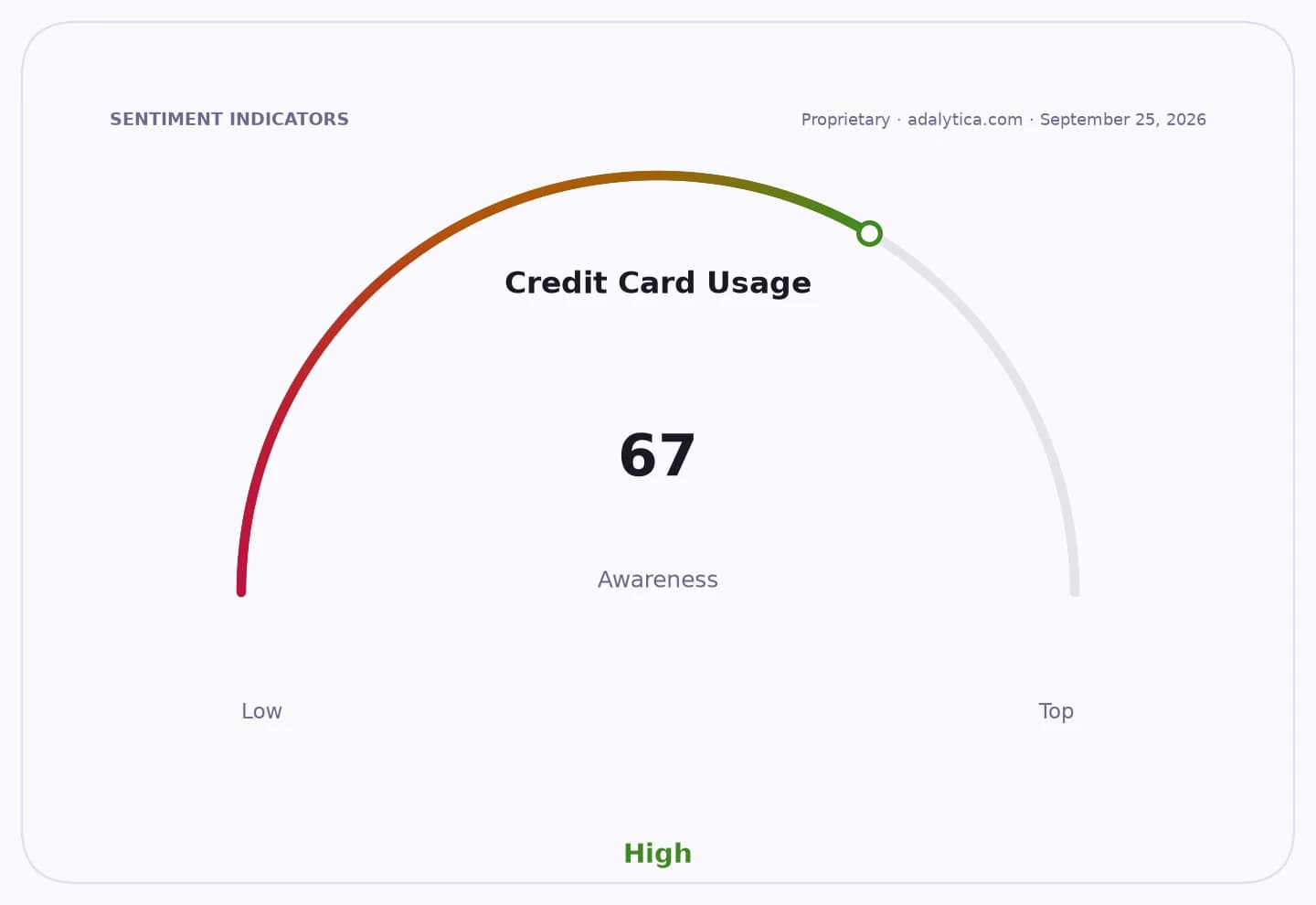
Sentiment IndicatorsⓘProprietary · adalytica.com · August 23, 2026
This is a snapshot — live sentiment, awareness and momentum for 130+ markets update continuously in the dashboard.Open AlphaPulse
For investors, the immediate issue is credit quality. A default scare tends to widen spreads across the issuer’s debt and can spill over to peers with similar funding profiles, including other state-controlled builders. The market has long treated government-linked names such as Adhi Karya as beneficiaries of implicit support, but repeated strain on debt service weakens that assumption and forces a more selective view of the sector.
The development also lands against a fragile global funding backdrop. Adalytica’s U.S. dollar signal shows “Extreme Fear,” while FX volatility trading signals also sit in “Extreme Fear,” underscoring tighter financial conditions and a more cautious appetite for credit risk. When dollar liquidity is uneasy and funding markets are volatile, borrowers with thin margins and heavy leverage usually have less room to absorb missed cash flows or delayed receivables.
The broader narrative is that Indonesia’s construction champions are still paying for years of debt-fueled expansion. Bondholders may see value if the company secures payment support or restructures in time, but the bear case is that one coupon problem becomes a pattern, forcing more painful talks with lenders and lifting funding costs across the sector. The next catalysts are whether Adhi Karya settles the coupon on time, whether it seeks relief from creditors, and whether investors begin to price in a wider state-builder credit repricing.
| Entity | Gains | Losses |
|---|---|---|
| Bondholders | ▲Higher default leverage | ▼Payment delay risk |
| Adhi Karya | ▲Possible reprieve via support | ▼Liquidity pressure |
| Peer state builders | ▲Sector scrutiny eases if resolved | ▼Funding costs rise if contagion spreads |
| Government/support lenders | ▲Chance to stabilize issuer | ▼Implicit-support burden increases |