A new solidarity grocery store has opened at Afpa in Nîmes, giving low-income households access to around 250 basic products at prices 70% to 90% below regular retail as rising living costs continue to squeeze vulnerable consumers.
Afpa Nîmes opens solidarity grocery store
The store, run with Banque Alimentaire du Gard, will initially open on Wednesday afternoons at the 168 route de Beaucaire site before potentially expanding to Monday-to-Friday service. For households under financial strain, the economics are immediate: cheaper staples can free up cash for rent, transport and other essentials, while reducing the risk that food insecurity blocks access to training and work.
The project matters beyond the aisle shelves because it links food aid to employment policy. Afpa, France’s state-backed vocational training agency, says the store is part of a broader effort to remove barriers to work, including housing, mobility, parenting and money issues, through its “village des solutions” network.
That makes the initiative part social support, part labor-market infrastructure. The Banque Alimentaire manages supply and intake, while 17 associations are expected to help beneficiaries navigate the system and feel reassured by familiar faces, a sign that the store is designed as much for trust and dignity as for distribution.
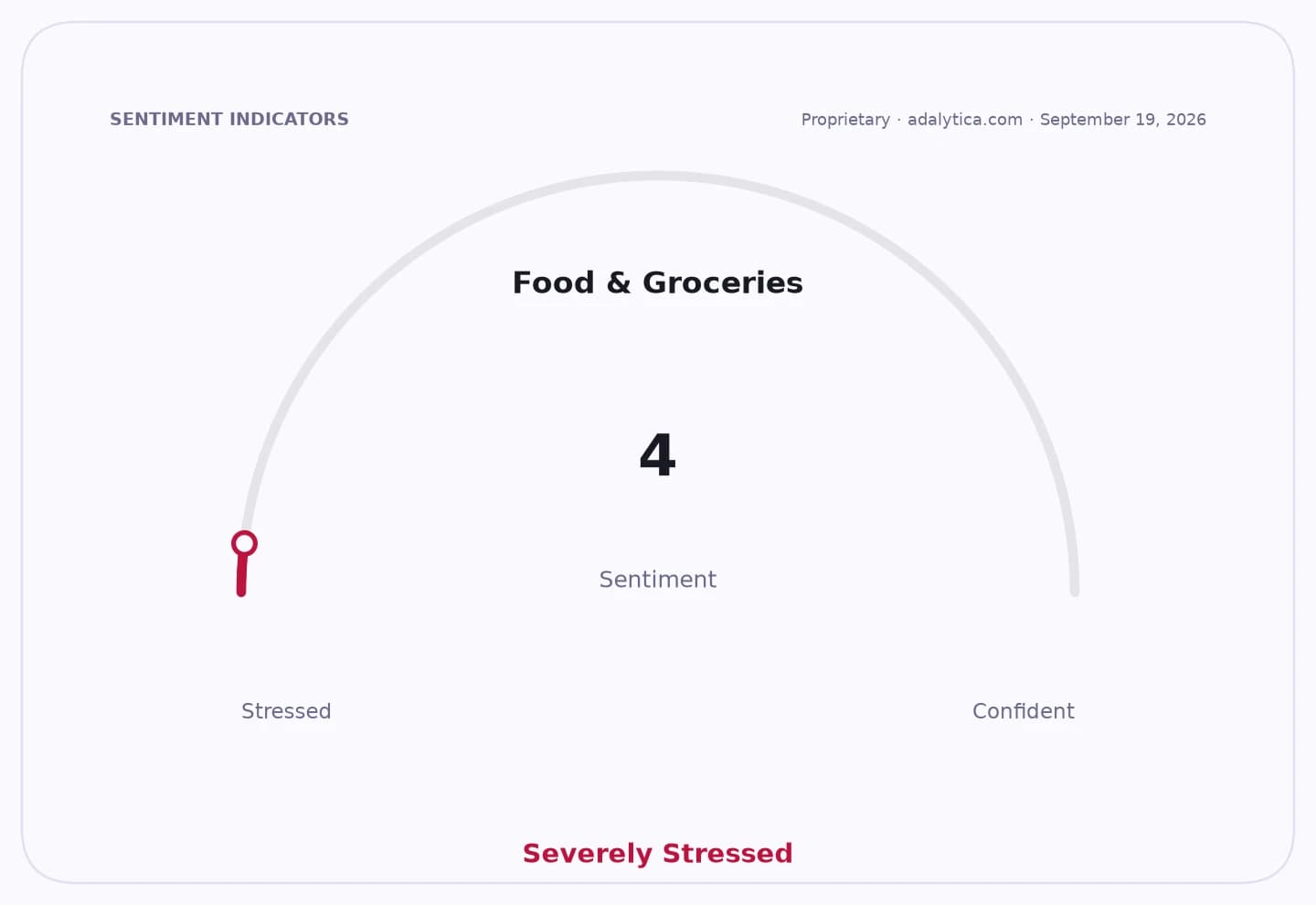
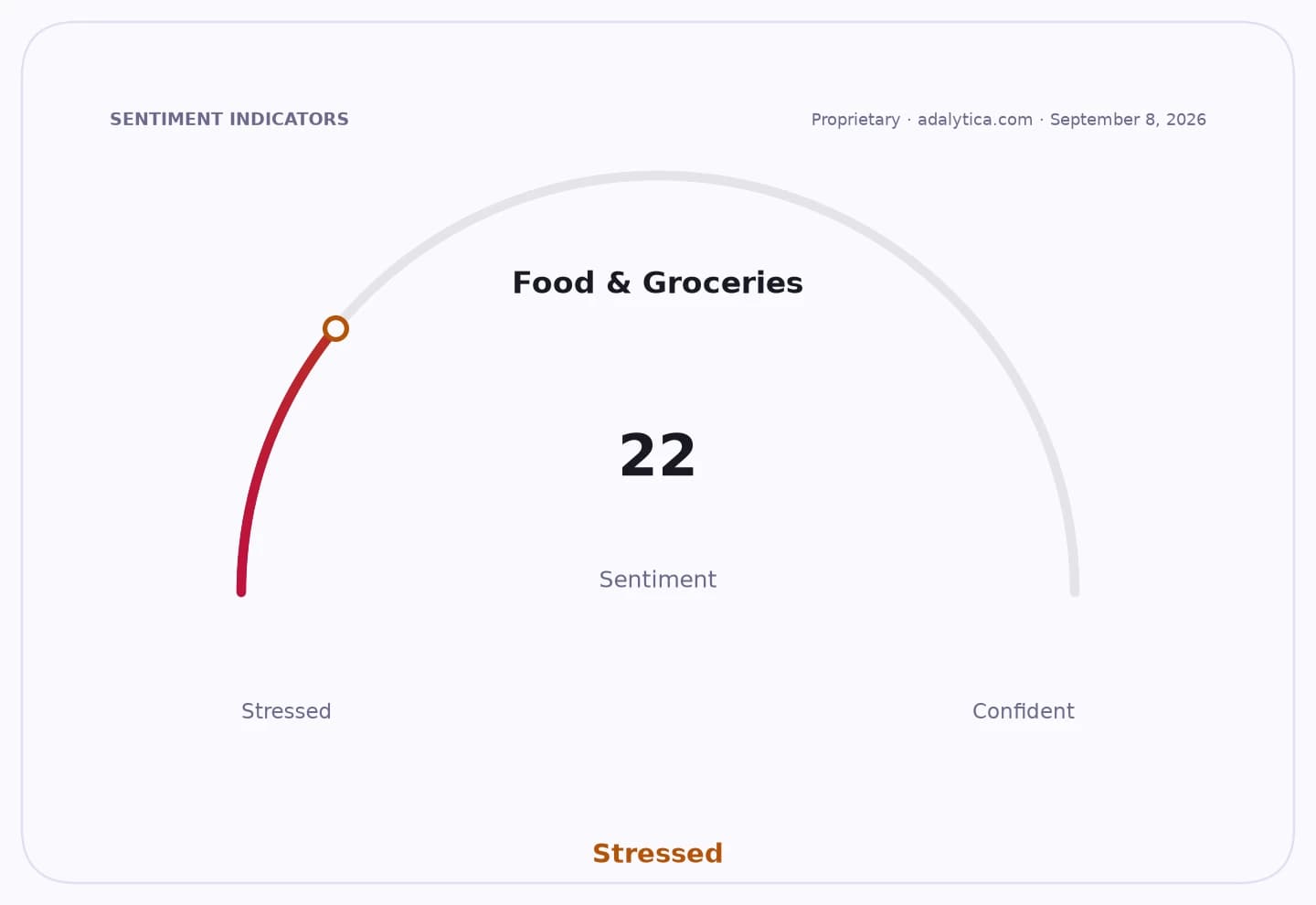
The model also shows how local institutions are adapting to pressure on household budgets. Adalytica’s Food and Grocery Spending Sentiment sits in “Fear” at 22, with “Extreme Fear” awareness at 4, underscoring how fragile grocery demand remains for lower-income consumers even as broader consumer spending sentiment is in “Greed.”
For investors and policymakers, the message is that food affordability remains a structural issue rather than a temporary shock. If the pilot expands to weekdays, it could become a template for similar public-private solidarity networks across other French cities as inflation, uneven wage growth and social stress keep demand for subsidized food support elevated.
| Entity | Gains | Losses |
|---|---|---|
| Precarious households | ▲Cheaper basic goods | ▼Higher food bills |
| Afpa and partners | ▲Stronger local outreach | ▼Limited immediate capacity |
| Banque Alimentaire du Gard | ▲Broader distribution role | ▼Added logistics burden |
| Regular retailers | ▲None directly | ▼Price-sensitive demand pressure |