Africa’s booming creative scene is no longer just a cultural story; it is becoming an economic one, and the real question is whether the continent can turn global attention into jobs, investment and export revenue at home.
Africa creative economy gets $2 billion financing push
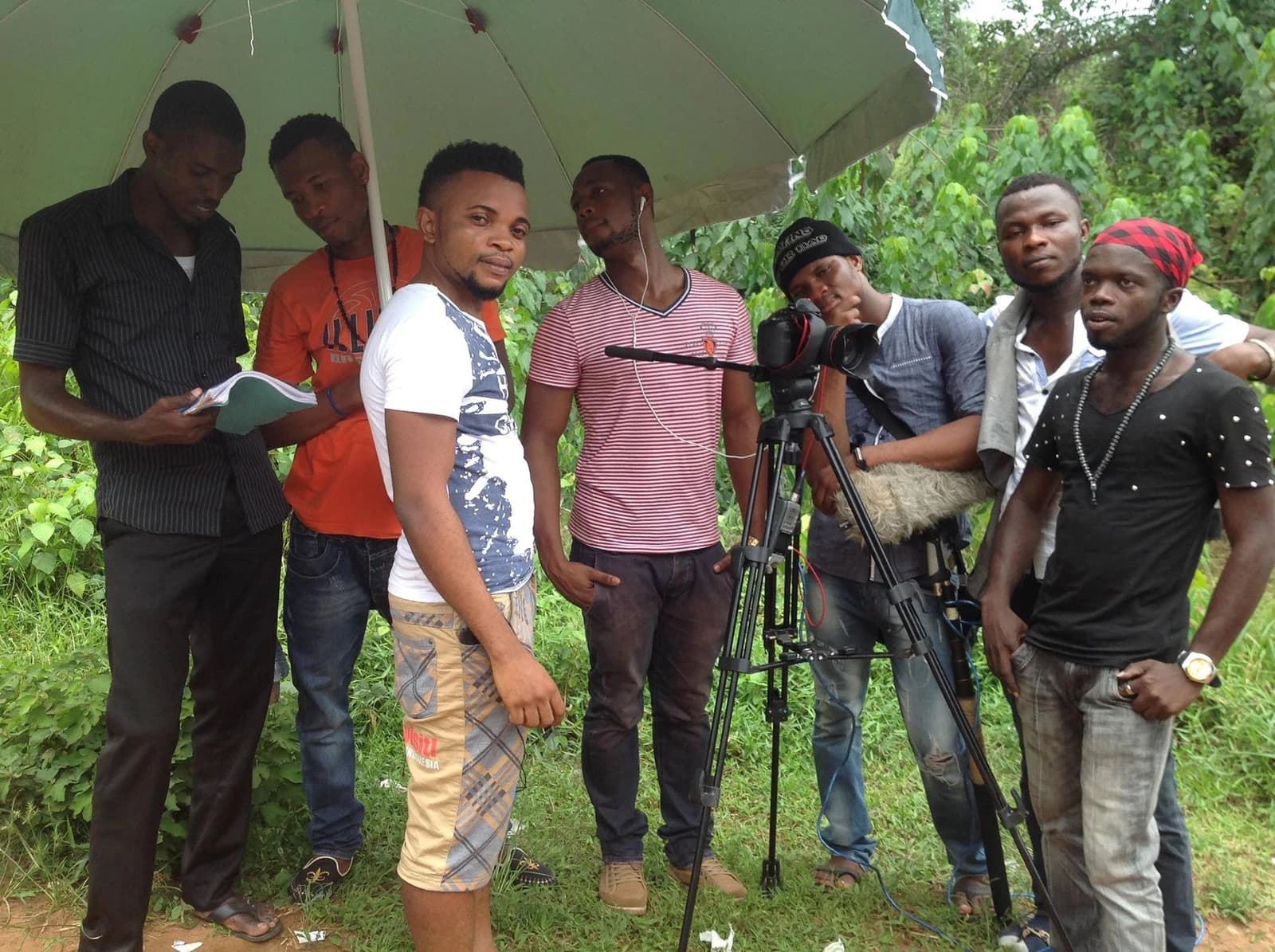
That is the central bet behind CANEX WKND 2026 in Lagos, where the African Export-Import Bank, or Afreximbank, is gathering creators, financiers and policymakers around one shared problem: Africa has the talent, but not yet the market structures to fully monetize it. Music, film, fashion, literature and food are increasingly visible around the world, yet too much of the value still leaks out through weak financing, limited distribution, and poor protection of intellectual property.
Sentiment Indicators

For long-term investors, that matters because creative industries are becoming part of the broader emerging-market growth play. Afreximbank says it has lifted its dedicated financing envelope for the sector to $2 billion, up from $1 billion, a meaningful signal that capital is beginning to treat African culture as investable infrastructure rather than a soft-power accessory. If that money is deployed effectively, it could help build production companies, distribution networks, digital platforms and cross-border brands that compound over time.
The economic logic is straightforward. Creative businesses can scale quickly, require comparatively modest upfront capital, and generate foreign exchange through exports, licensing and streaming. But they are also unusually vulnerable to piracy, weak contract enforcement and underdeveloped capital markets. That is why the event in Lagos is putting so much emphasis on deal rooms, pitch sessions and financing structures tailored to intangible assets. The continent is not short of ideas; it is short of mechanisms that turn ideas into bankable cash flows.
Technology raises both the upside and the risk. Artificial intelligence, digital production tools and online distribution can help African creators reach global audiences faster and cheaper than before. At the same time, they intensify the fight over ownership, royalties and copyright. Whoever controls the intellectual property controls the long-term economics, and that is where Africa has often been weakest. If the region can improve those rules, the payoff could be substantial.
Nigeria sits at the center of that opportunity. Lagos is already a magnet for music, film and entrepreneurship, and the city’s role as host underlines how important local ecosystems will be in converting cultural influence into durable business models. The roster of attendees — from Wole Soyinka to Davido, Fally Ipupa and Funke Akindele — reflects just how broad the creative supply chain has become, stretching well beyond artists to include promoters, investors, tech developers and exporters.
The bigger investing lesson is that Africa’s creative economy is moving from a niche theme to a secular trend. This will not happen overnight, and the sector still faces the same old bottlenecks: thin credit markets, fragmented distribution and policy gaps. But for patient investors, the setup is compelling. The winners will be the companies and institutions that help creators own more of their work, sell it across borders and capture recurring revenue from it. That is how a cultural boom becomes an economic engine worth watching for years, not quarters.
| Entity | Gains | Losses |
|---|---|---|
| African creators | ▲more financing and market access | ▼lower margins from piracy and weak IP |
| Afreximbank | ▲strategic relevance and deal flow | ▼exposure to execution risk |
| African consumers and economies | ▲jobs, exports, local value capture | ▼slower growth if value keeps leaking abroad |
| Global content platforms | ▲richer supply of African content | ▼tougher competition for rights and royalties |