Frankfurt’s book fair still drew crowds and rights buyers, but the industry’s unease over artificial intelligence and the war in Ukraine is now feeding through to attendance, exhibitor numbers and the economics of global publishing.
Frankfurt Book Fair Attendance Falls as AI Worries Grow
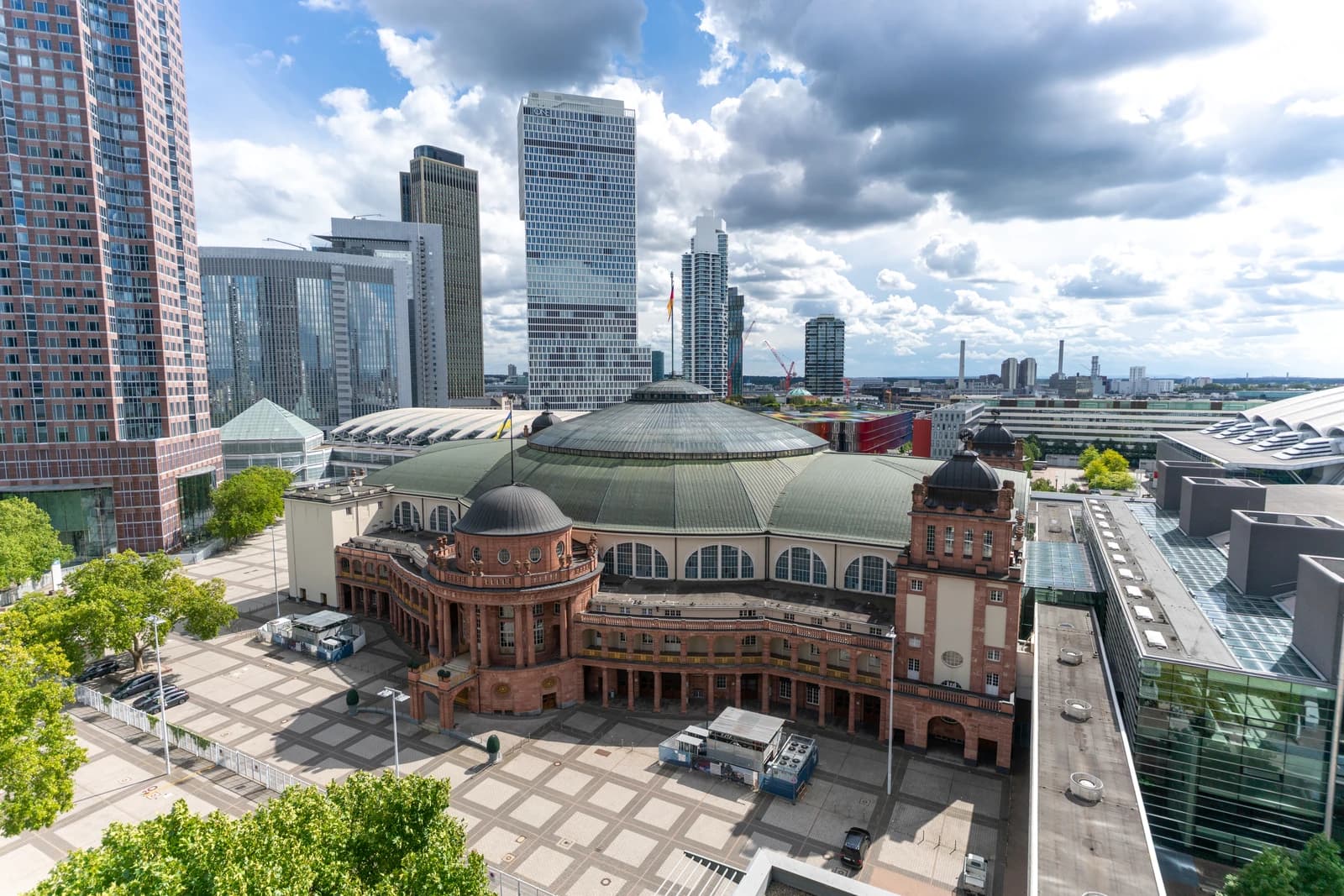
The world’s biggest book trade fair counted about 238,000 trade visitors last month, down roughly 2,000 from a year earlier, while exhibitors fell by nearly 10% to 4,350. For an industry that depends on face-to-face rights deals, the decline matters because Frankfurt remains one of the few places where publishers from Latin America, Africa, the Arab world and Asia can close cross-border business that is harder to replicate online.
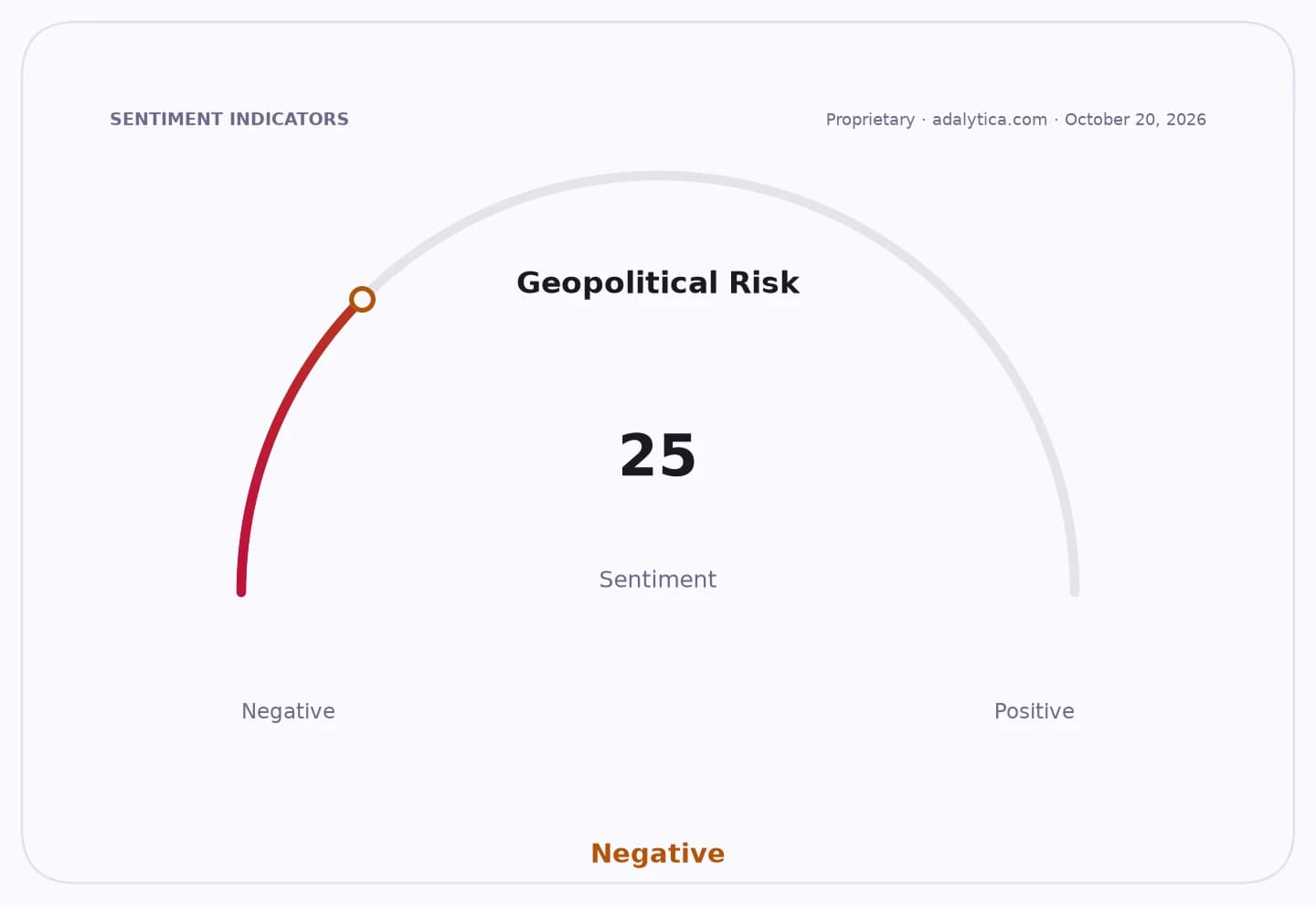
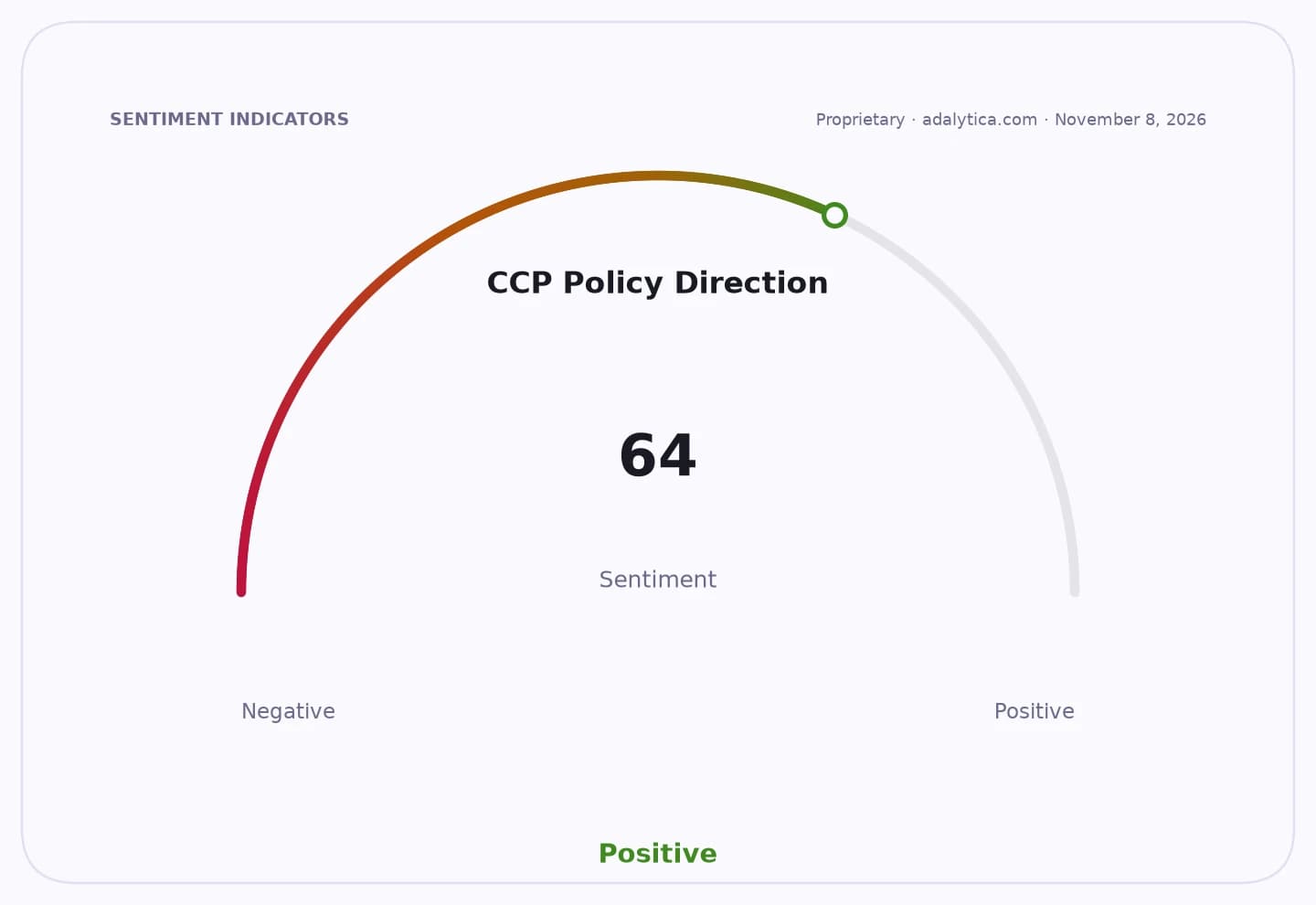
Sentiment Indicators

The pressure on the fair reflects two overlapping forces. One is technological: publishers are increasingly worried that generative AI could erode the value of translation, editing and content creation, even in segments long treated as insulated from automation. The other is geopolitical: the war in Ukraine continues to damage publishers directly, with one Ukrainian house saying a drone strike in August destroyed nearly 8 million books in a warehouse. That is not just a human or cultural loss; it is a supply-chain shock that destroys inventory, cash flow and future sales.
Yet the fair also showed why the event still matters economically. Rights markets are not only about Western incumbents, and Frankfurt’s value has arguably shifted toward smaller, independent publishers trying to build partnerships across the global south. That makes the fair a barometer for a fragmented industry: digital tools may have reduced transaction costs for large houses, but the physical marketplace still concentrates the informal trust, licensing conversations and discovery that underpin long-tail publishing revenue.
For investors, the message is mixed. Established publishers with strong catalogues and multinational reach may be better placed to use AI to cut costs and expand margins, while smaller independents face greater risk that machine translation and synthetic content compress pricing power. But the fair’s resilience also suggests that premium intellectual property, rights trading and niche content remain monetizable, even as the sector grapples with lower attendance and a more volatile geopolitical backdrop.
Adalytica’s Global Stability Sentiment gauge was in neutral territory at 43, but its awareness reading sat at an extreme-fear 4, underscoring how unsettled the broader environment remains even as risk assets elsewhere have stayed buoyant. That contrast is the real Frankfurt story: publishing is still doing business, but the balance of power is shifting toward the firms and markets that can absorb AI disruption, navigate conflict risk and keep international rights traffic alive.
| Entity | Gains | Losses |
|---|---|---|
| Large publishers | ▲Scale and AI leverage | ▼Legacy cost structures |
| Small independents | ▲Cross-border rights access | ▼Higher disruption risk |
| AI tool providers | ▲Demand from publishers | ▼Trust over human-made content |
| Ukrainian publishers | ▲International solidarity | ▼Inventory and asset destruction |