A growing push to certify books as written by humans is moving from industry debate to commercial reality, as publishers and authors seek a way to restore trust while AI-generated text and undisclosed machine assistance rattle the book trade.
Books Certification Labels for Human Authors Grow
The immediate economic issue is credibility: in a market where readers, editors and distributors are increasingly unable to tell whether a manuscript was drafted by a person or produced with AI, publishers face reputational risk, authors face suspicion and sales can be derailed by controversy. The emerging labels are an attempt to create a verifiable chain of authorship before that uncertainty starts to depress demand, weaken pricing power and damage rights value.
Sentiment IndicatorsⓘProprietary · adalytica.com · October 12, 2026
This is a snapshot — live sentiment, awareness and momentum for 130+ markets update continuously in the dashboard.Open AlphaPulse
The trend was on display this week at the Frankfurt Book Fair, the industry’s biggest global gathering, where the impact of AI on literary creation dominated discussion. The timing matters because the book business is still working out how to commercialize AI without eroding the value proposition that underpins it: originality, voice and author brand. If readers conclude those attributes are cheapened, the sector risks a broader trust discount.
Several certification systems are now in circulation. In France, Librinova says its “human creation” certification combines software-based AI detection with an interview by an auditor about the writing process, and has already been awarded to about 200 books. In Britain, start-up Books By People has registered its label with the UK Intellectual Property Office and allows limited AI use for tasks such as spellcheck and grammar correction. In the US, the Authors Guild has rolled out a “written by a human” label based on self-certification, with about 6,500 books already carrying the mark.
That uptake suggests the market sees a real need, especially among self-published writers, who are often more exposed to online accusations that they used generative AI. Charlotte Allibert, co-founder of Librinova, said the issue has become a “real earthquake” in French publishing. For authors, the label is less a marketing flourish than insurance against reputational damage; for publishers and platforms, it offers a possible defense against consumer backlash and a way to segment human-authored work from AI-assisted content.
The commercial logic is strongest in independent publishing, where provenance is harder to police and where a single allegation can quickly spread across social media. That was illustrated by recent disputes including the case of Canadian-Haitian writer Thélyson Orélien, who denied using AI after online accusations, and the controversy around Mia Ballard’s horror novel “Shy Girl,” which was pulled by Hachette after claims of AI use. Even where the allegations are unproven or disputed, the damage can be immediate because the market punishes uncertainty.
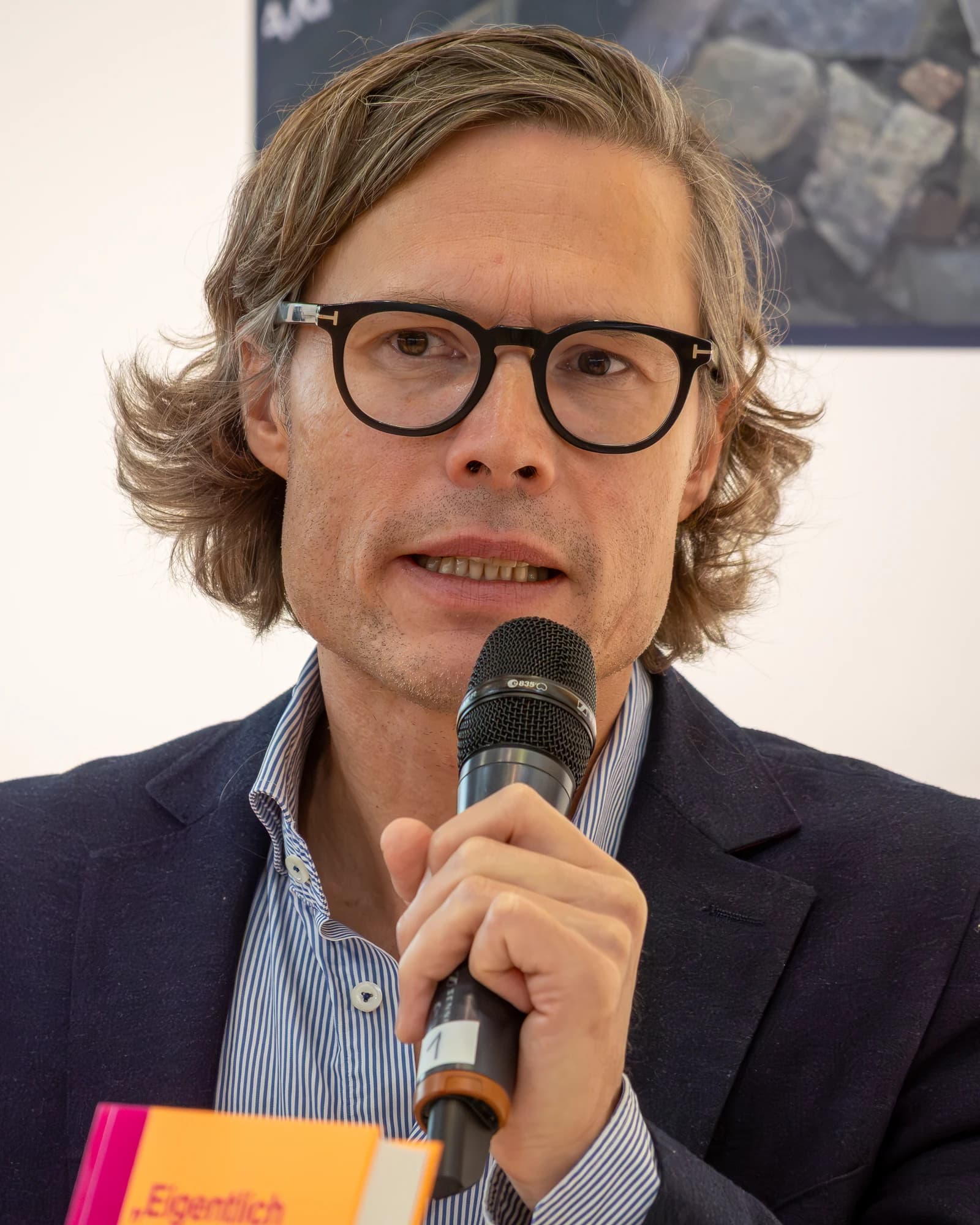
Still, the certification drive is far from universally embraced. Sebastian Guggolz, head of Germany’s publishers’ and booksellers’ association, warned that simple categorization systems may not be enough and argued the industry needs a broader conversation about transparency. That skepticism points to a deeper tension: labels may help at the margin, but they do not resolve the harder question of where to draw the line between human authorship, editorial assistance and acceptable AI use.
For investors and industry players, the key question is whether these labels become a standard of trust or remain niche signals for worried readers. If they spread, they could reshape procurement, licensing and platform policy, creating a premium for verifiable human content and raising compliance costs for publishers. If they fail, the sector may be left with a more fragmented market in which readers discount all contested books and smaller authors bear the most reputational risk.
Either way, the direction is clear: publishing is beginning to treat authorship provenance as a commercial asset. The businesses that can prove a book was written by a human may gain an edge in a market increasingly shaped by AI skepticism, while those that cannot may find trust harder to sell.
| Entity | Gains | Losses |
|---|---|---|
| Human-authored books | ▲Trust premium | ▼AI-suspicion discount |
| Self-published authors | ▲Reputation protection | ▼Greater scrutiny |
| Publishers/platforms | ▲Clearer provenance | ▼Compliance burden |
| AI-assisted writers | ▲Efficiency | ▼Label exclusion |