Malaysia’s book publishing industry is shifting sharply toward digital formats, with electronic ISBN applications jumping 78.07% in 2025 from a year earlier, a sign the sector is expanding even as it wrestles with piracy, quality control and competition from self-publishing.
Malaysia Publishing Sees 78% Rise in eISBN Filings
The rise in eISBN filings underscores how publishers and authors are moving faster into online and digitally distributed books, a transition that can widen access to readers and lower barriers for smaller creators. But officials said that growth only translates into long-term value if it is matched by stronger standards, copyright protection and marketing discipline.
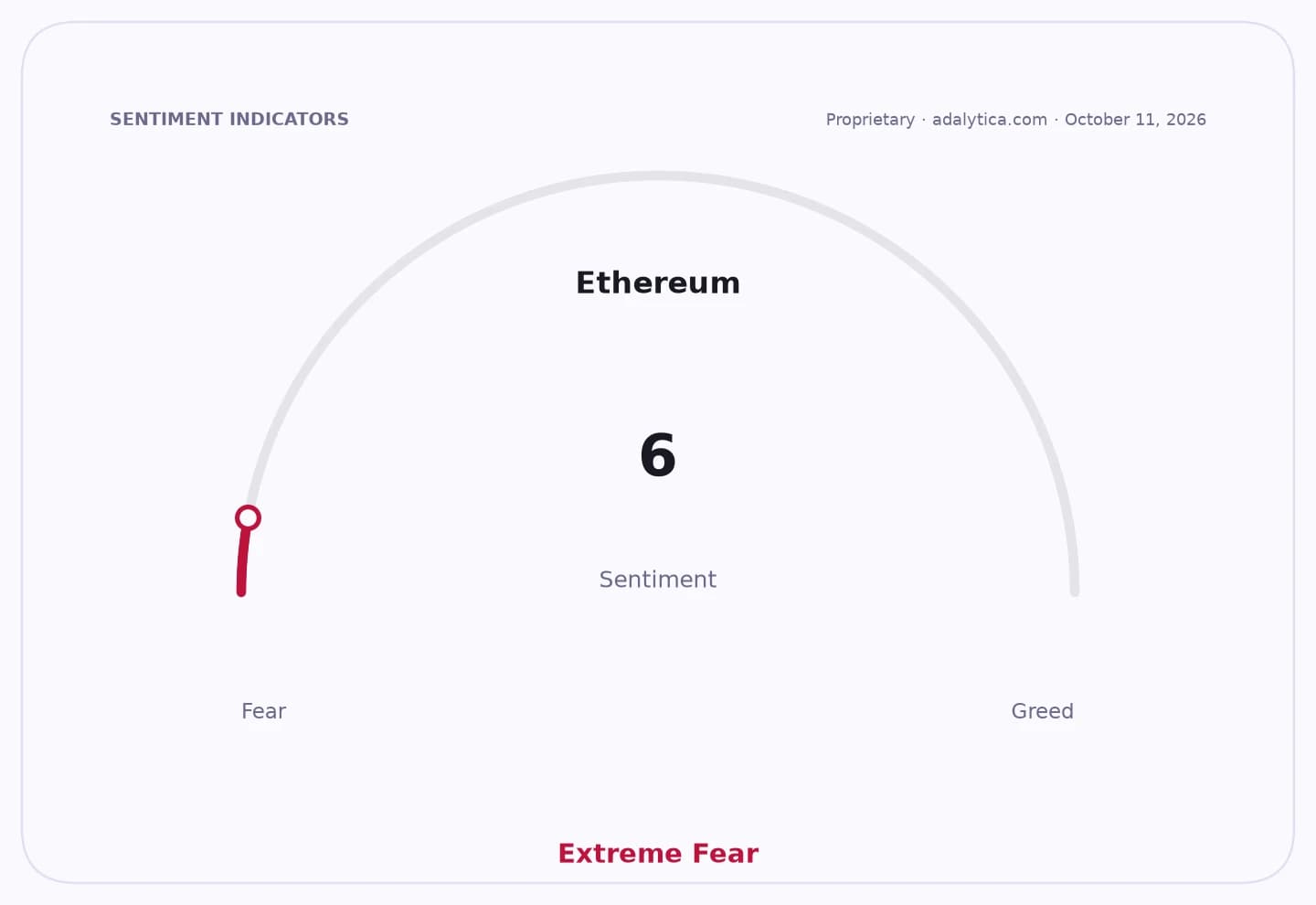
Sentiment IndicatorsⓘProprietary · adalytica.com · October 11, 2026
This is a snapshot — live sentiment, awareness and momentum for 130+ markets update continuously in the dashboard.Open AlphaPulse
National Unity Ministry Secretary-General Haslina said Malaysia received 4,544 eISBN applications by August 2026, while the total number of publications registered under the traditional ISBN system rose 16.87% in 2025 versus 2024. Self-publishing volumes also climbed 56.76%, pointing to a broader loosening of the old publishing model.
For investors and businesses tied to the media and education ecosystem, the data points to a larger addressable market for digital content, platforms, printing, distribution and rights management. It also suggests pressure on legacy publishers to adapt as more authors bypass traditional gatekeepers and move directly to readers.
Haslina said the publishing industry contributes to economic growth, jobs and micro, small and medium-sized enterprises, citing national book-data research showing the sector generated 18.59 billion ringgit in output and 8.77 billion ringgit in value added from 2012 to 2021. The industry employed 61,925 people and paid 2.68 billion ringgit in wages and salaries over that period.
The ecosystem spans authors, editors, translators, publishers, printers, distributors, booksellers and digital platform providers, with the National Library playing a central role in expanding collections and digital access. The next test for the sector is whether policymakers can turn faster digital uptake into a more profitable, protected and scalable publishing market rather than a fragmented one vulnerable to piracy.
| Entity | Gains | Losses |
|---|---|---|
| Digital publishers | ▲Faster adoption, bigger reach | ▼More competition |
| Self-published authors | ▲Lower barriers to entry | ▼More quality scrutiny |
| Traditional publishers | ▲Larger digital market | ▼Share loss to direct publishing |
| Piracy/compliance rules | ▲Stronger enforcement push | ▼Looser enforcement opportunities |