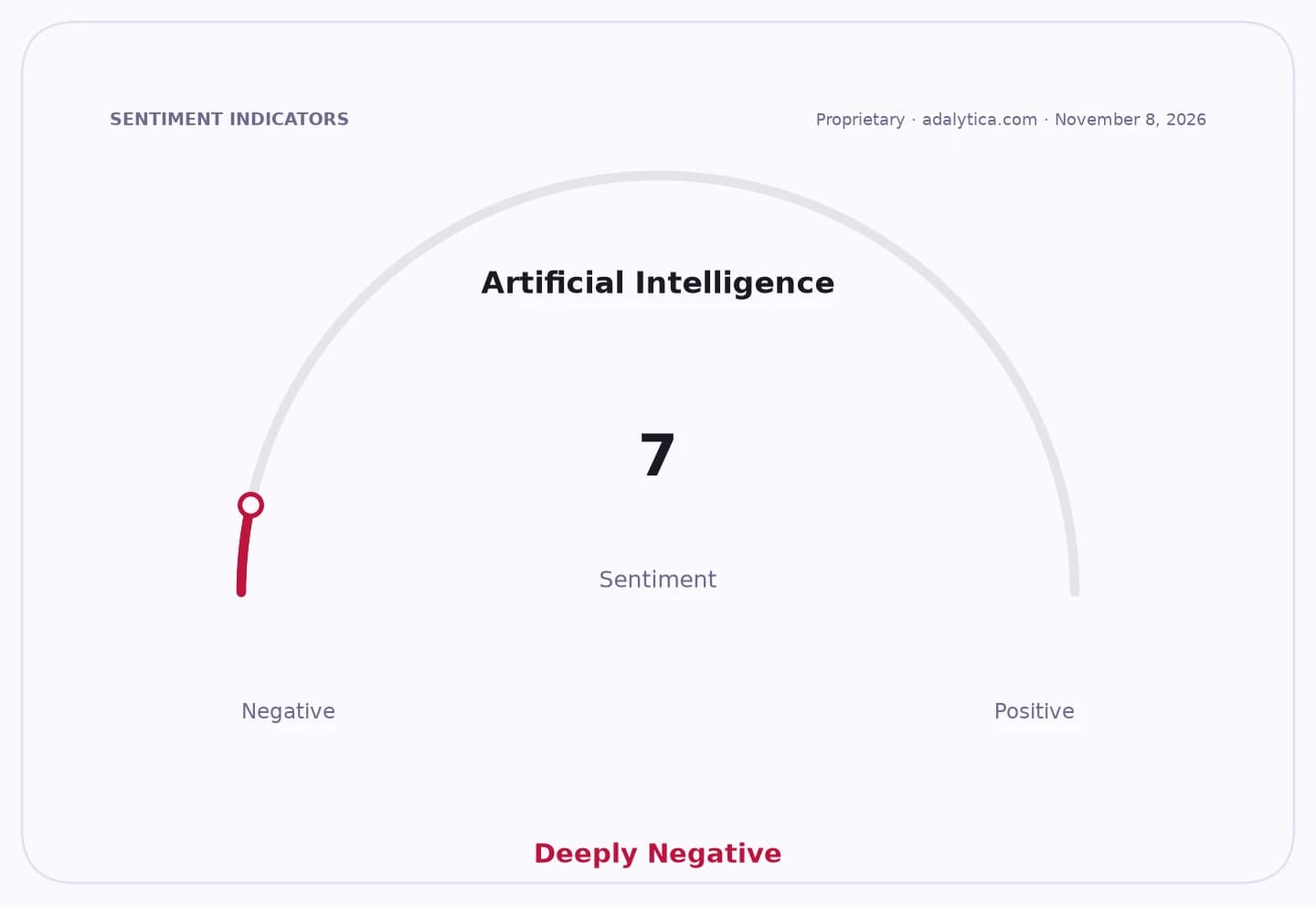
China’s new cooperation pact with the World Intellectual Property Organization matters because it is not just a diplomatic gesture — it is a bid to shape the next phase of global copyright rules as artificial intelligence, online distribution and digital content creation collide.
China WIPO pact on AI and copyright rules
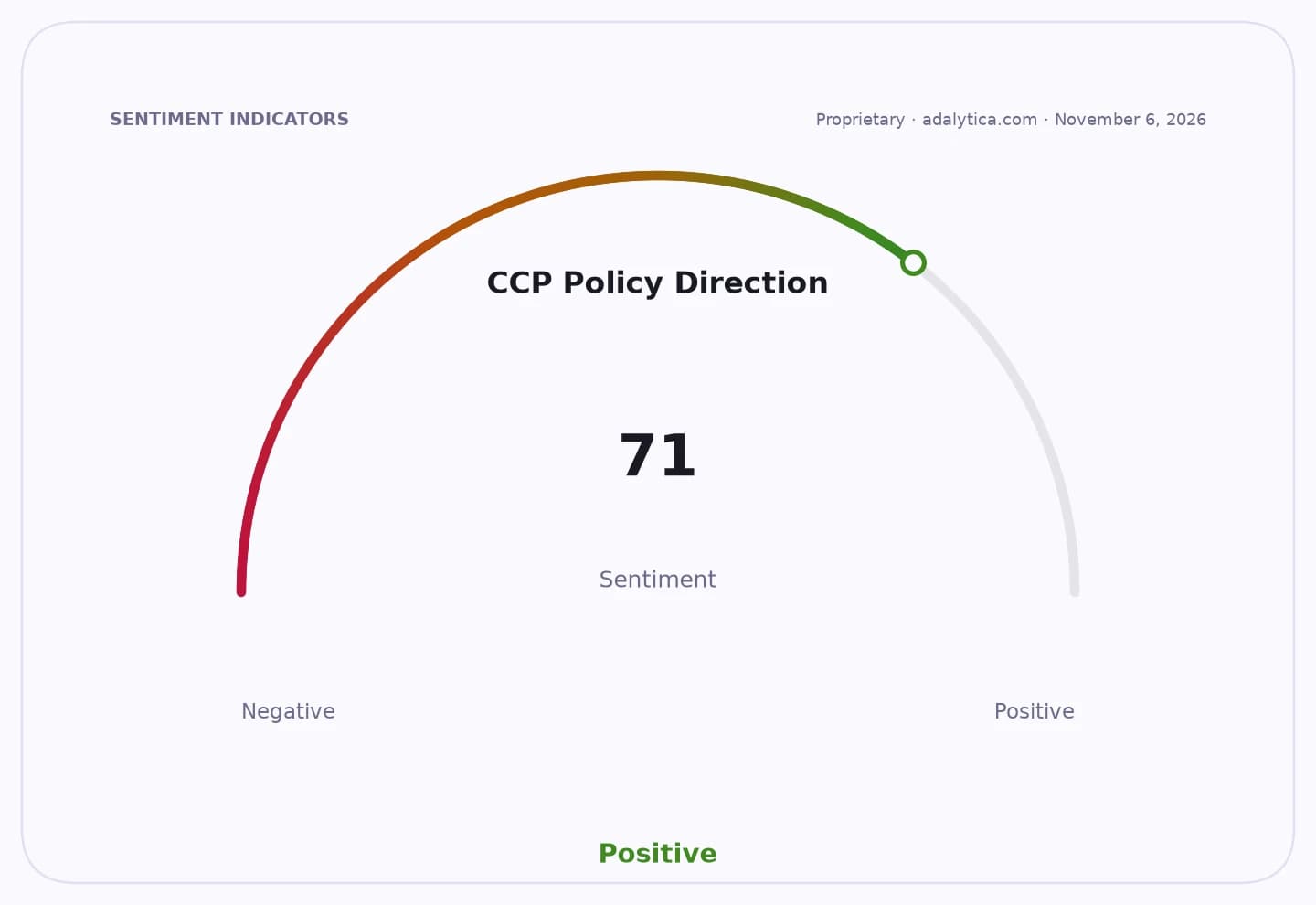
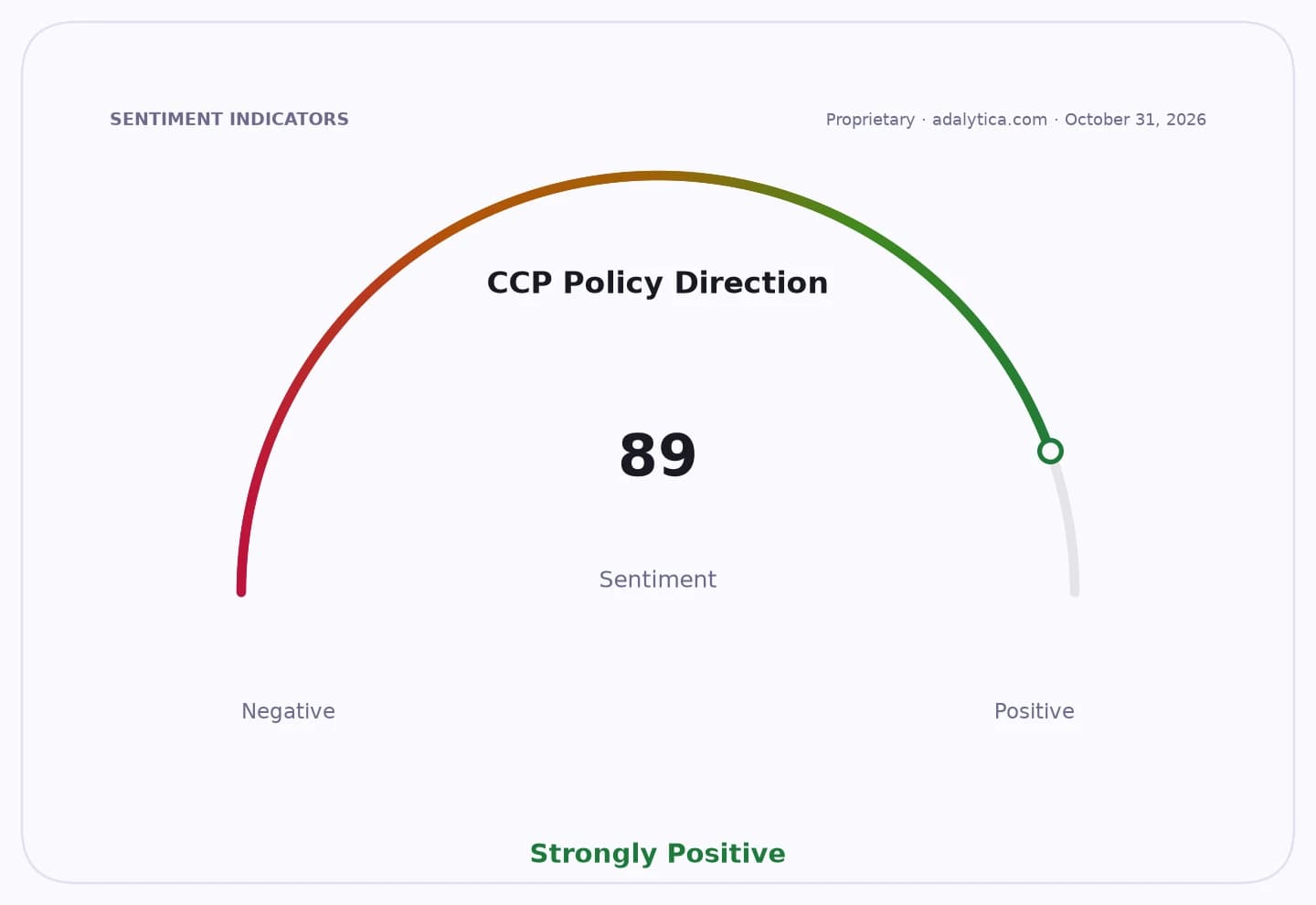
CCP Policy Direction
The memorandum, signed in Gansu between China’s National Copyright Administration and WIPO, expands collaboration on AI, digital and online copyright, the creative economy and the protection of traditional folk art. That gives Beijing a stronger role in the global policy conversation at a moment when governments and courts are struggling to define who owns machine-generated content, how creators should be paid and how infringement should be enforced across borders.
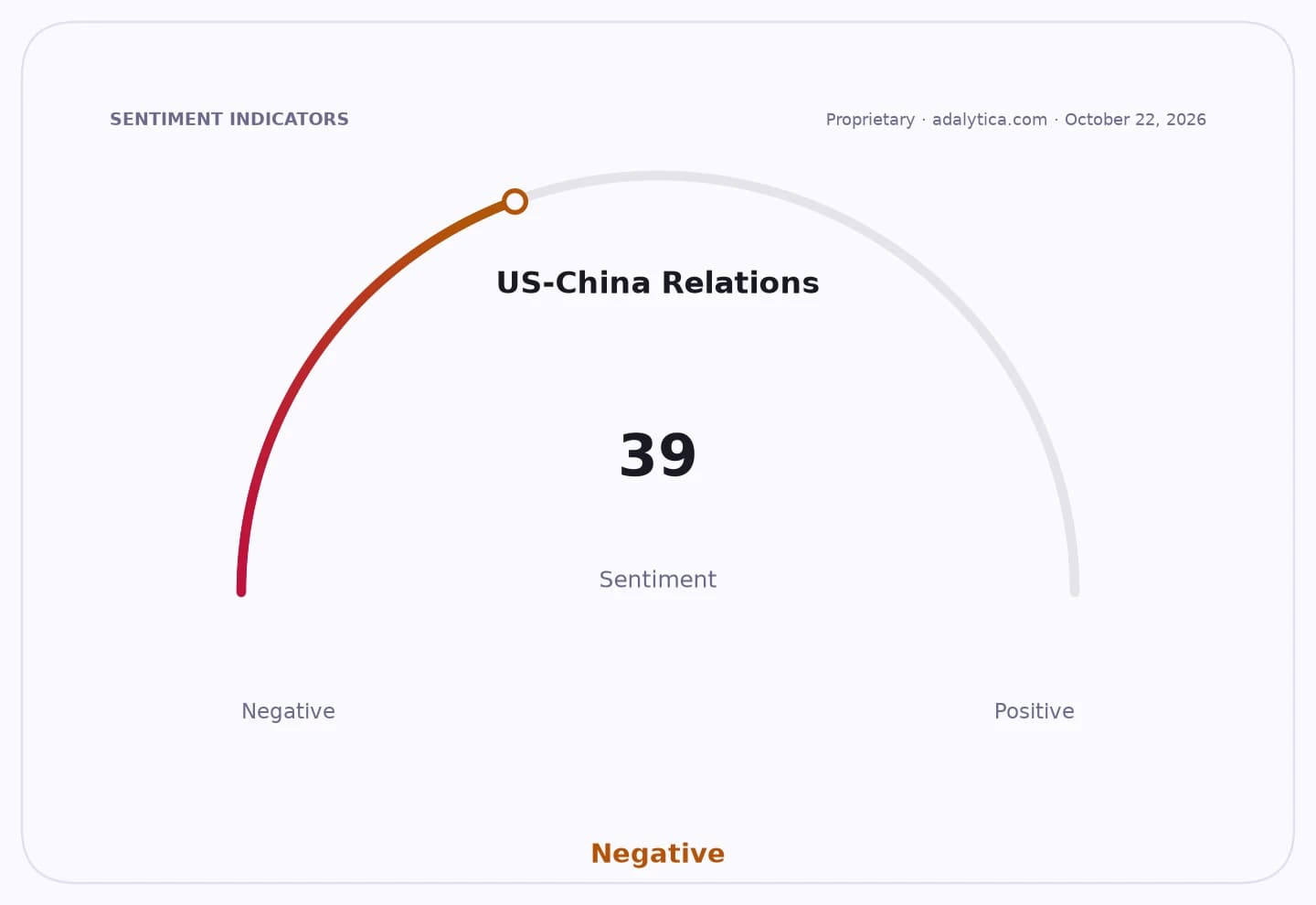
Sentiment Indicators
For investors, the significance is immediate. Digital content platforms, software makers, streaming services and ad-tech companies all face rising legal and compliance costs as copyright regimes tighten. The latest policy push underscores that intellectual property is moving from a back-office legal issue to a strategic line item for the entire digital economy. That is especially relevant for companies such as Disney, Netflix and Spotify, which rely on licensed content and spend heavily to protect rights, while technology groups including Adobe and Meta face increasing exposure to copyright claims as generative AI expands.
The deal also fits a broader effort by Beijing to deepen its influence in global IP governance and support domestic creative industries. Officials said the agreement will extend training programs, build talent pipelines and promote copyright services for the real economy, while pilot projects in Chongqing and Shanxi will test how copyright tools can support cultural tourism and traditional arts. In practice, that means copyright is being positioned not only as a legal shield, but as an economic asset that can be monetized, packaged and exported.
That matters because the market has underpriced the second-order effects of AI on intellectual property. The winners in the next phase will be companies with either the rights, the data or the enforcement muscle to turn content into durable cash flow. The losers will be platforms that depend on other people’s content without clear legal protections, or that face rising royalty bills as regulators and rights holders get more aggressive.
For investors, the trade is to favor the infrastructure of digital ownership rather than the most exposed content intermediaries. Rights management, compliance tools, cloud-based content workflows and legal-tech names stand to benefit as governments tighten rules. The broader message is clear: the AI boom is not only about compute and chips. It is also about who controls the underlying intellectual property stack — and China wants a seat at that table.
| Entity | Gains | Losses |
|---|---|---|
| China / WIPO | ▲greater policy influence | ▼fragmented copyright rules |
| Creators / rights holders | ▲stronger protections | ▼easier infringement |
| Streaming platforms | ▲clearer licensing regime | ▼higher royalty pressure |
| AI and tech firms | ▲defined legal framework | ▼more copyright liability |