North Rhine-Westphalia is not trying to become Europe’s next ChatGPT factory — and that may be exactly why its AI startup scene could matter most to investors.
North Rhine-Westphalia AI Startups Gain Investor Attention

The bigger opportunity in Germany’s most populous state is not frontier models, but practical AI that slips into booking systems, customer service and industrial workflows. That is the kind of software companies will pay for again and again, especially in a region packed with Mittelstand businesses that want automation without the cost and complexity of building it themselves.
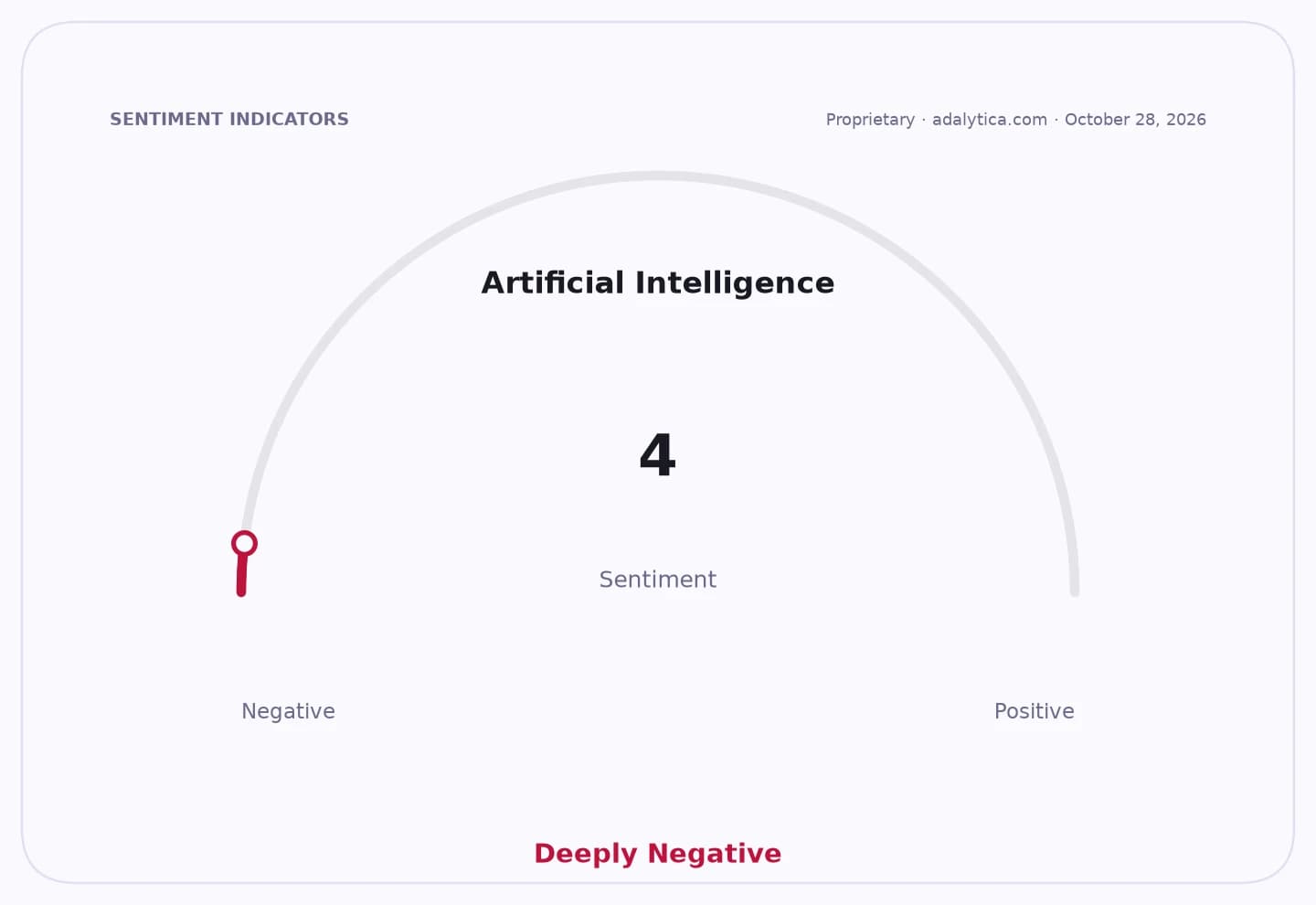
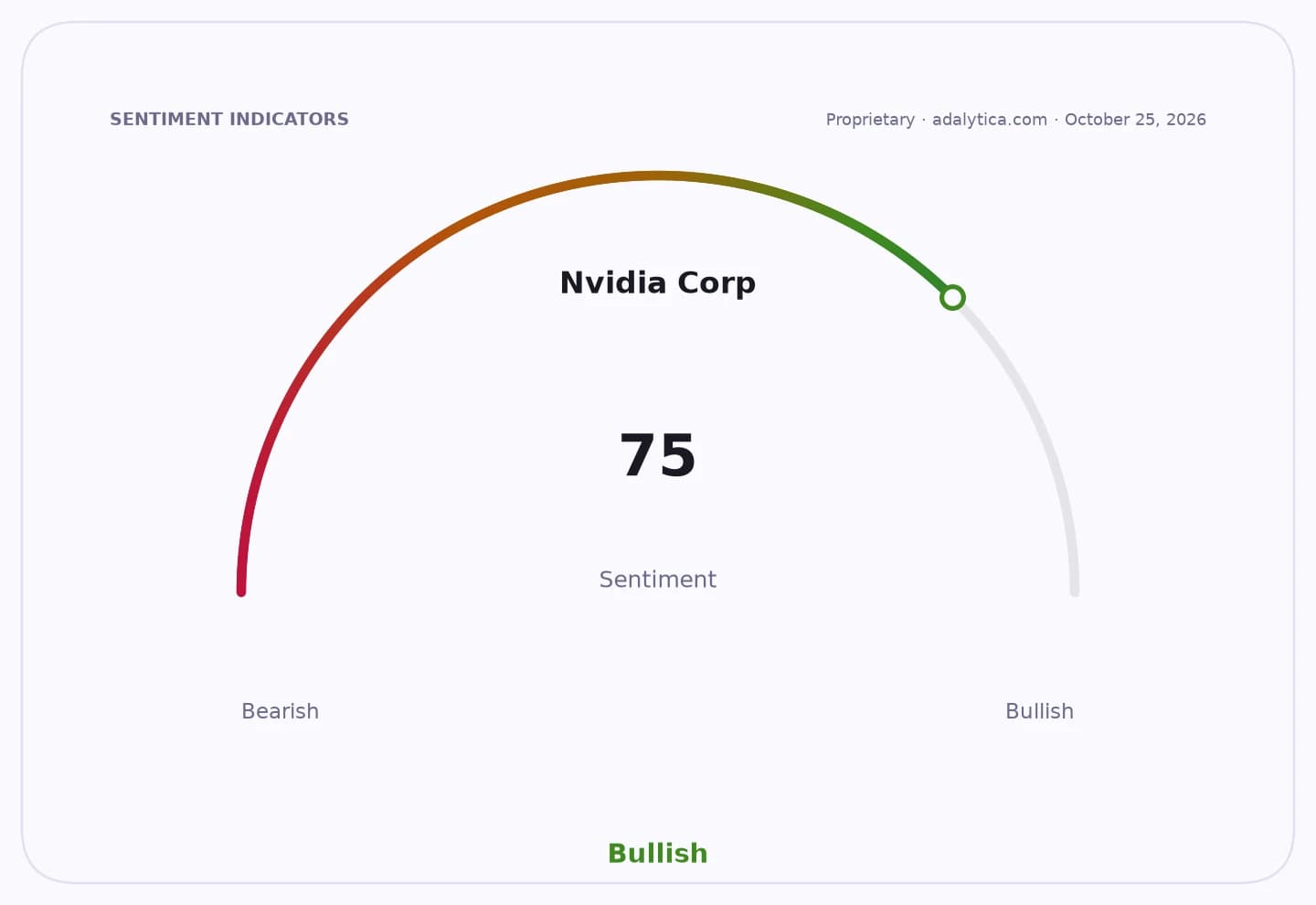
Sentiment Indicators
A small but telling example comes from Cologne-based Hidesk, whose voice AI helps Düsseldorf women’s wellness provider Maela handle bookings, vouchers and availability checks after hours. Together with a chatbot, the system handles about 40% of Maela’s average 573 monthly inquiries, saving roughly one to two administrative hours a day for a lean team. Hidesk itself went from launch in January to break-even six months later and was acquired after 11 months by booking platform Anny, a sign that useful AI products can scale quickly even without giant funding rounds.
That is the investment story here. In a market where many AI names are still burning capital to chase model leadership, NRW is producing companies that can reach revenue, prove a workflow advantage and get bought. For long-term investors, that is often a better business than hype.
The regional structure helps explain why. NRW does not have one dominant tech hub like Berlin or Munich. Instead, it has a network of cities — Cologne, Düsseldorf, Aachen, Dortmund and Münster — with universities, engineers and industrial customers all close together. That gives startups faster access to real problems and real buyers. Dealroom data cited in the report shows 89 active AI startups in Cologne, 34 in Düsseldorf and 29 in Aachen, with Cologne leading on total funding at $224.4 million. Aachen, meanwhile, appears to host fewer but more capital-intensive projects, which hints at a broader mix of software and deep-tech bets.
That mix matters because the next wave of AI spending is likely to move beyond chatbots. NRW’s advantages include industrial applications, robotics and so-called physical AI, where software is embedded directly into machines and production lines. Those are sticky use cases, the kind that can create recurring revenue and switching costs over time. The region also has improving compute infrastructure, including data centers in the Rhenish mining district and the Jupiter supercomputer in Jülich, both of which could support more demanding AI workloads.
For investors, the takeaway is not that NRW will produce the next global model builder. It is that it may produce a large number of profitable niche winners — the sort of companies that quietly compound value by solving narrow but expensive problems for manufacturers, service providers and mid-sized enterprises. That is often how durable software ecosystems are built.
The challenge is fragmentation. Because the state is polycentric, its startup communities can work alongside one another rather than with one another. Marius Rosenberg, who works with growth companies at Scale-up.NRW, says the region needs more cross-border exchange and a few visible “lighthouse” companies that show international investors what is possible. Capital, he argues, is mobile enough to flow in from Berlin or Munich if the opportunity is clear.
For investors with a five- to 10-year horizon, NRW’s AI scene looks worth watching not as a moonshot story, but as a reminder that some of the best returns come from boring software that saves time, cuts costs and becomes embedded in everyday business. That is the kind of AI most companies will actually buy — and the kind most likely to last.
| Entity | Gains | Losses |
|---|---|---|
| NRW AI startups | ▲Faster adoption, revenue growth | ▼Less attention than Berlin/Munich |
| Mittelstand businesses | ▲Lower admin costs, automation | ▼Manual workflows, staffing pressure |
| Anny and acquirers | ▲Product expansion, cheaper M&A targets | ▼Need to integrate bought technology |
| Frontier-model hubs | ▲Talent and capital focus elsewhere | ▼Share of investor hype and visibility |