Nvidia is pushing autonomous driving out of the lab and onto Berlin streets, a move that underscores how the AI boom is widening from data centers into the physical world and creating a fresh investment runway across chips, sensors and automotive software.
Nvidia Shows L2++ Driving System in Berlin
The company showed off its latest L2++ driving system in a Mercedes in Berlin, where drivers can enter a destination and let the car manage the route while still staying alert and ready to take over. That matters because the next phase of AI spending is not just about training models or filling server racks; it is about embedding intelligence into cars, factories and robots, where Nvidia can monetize its compute stack in a much broader market.
Nvidia is framing the technology as “physical AI,” the company’s term for AI models that operate in real-world environments rather than only in software. For automakers, that is a crucial shift: advanced driver-assistance systems are increasingly becoming a race in computing power, camera vision and in-vehicle AI, not just mechanical engineering. For investors, it means the addressable market for Nvidia’s chips and software is no longer confined to hyperscale cloud customers. It now stretches into auto platforms that can be refreshed over time, creating recurring demand and deeper ecosystem lock-in.
The Berlin demo also highlights Nvidia’s growing strategic value in Europe, where governments are eager to accelerate domestic AI development without building every layer of the stack from scratch. Germany’s push to work with the American chip giant fits a broader industrial policy trend: Europe wants productivity gains from AI, but it still needs U.S. hardware, software and platforms to get there. That keeps Nvidia at the center of a transatlantic supply chain that is likely to attract more public and private capital.
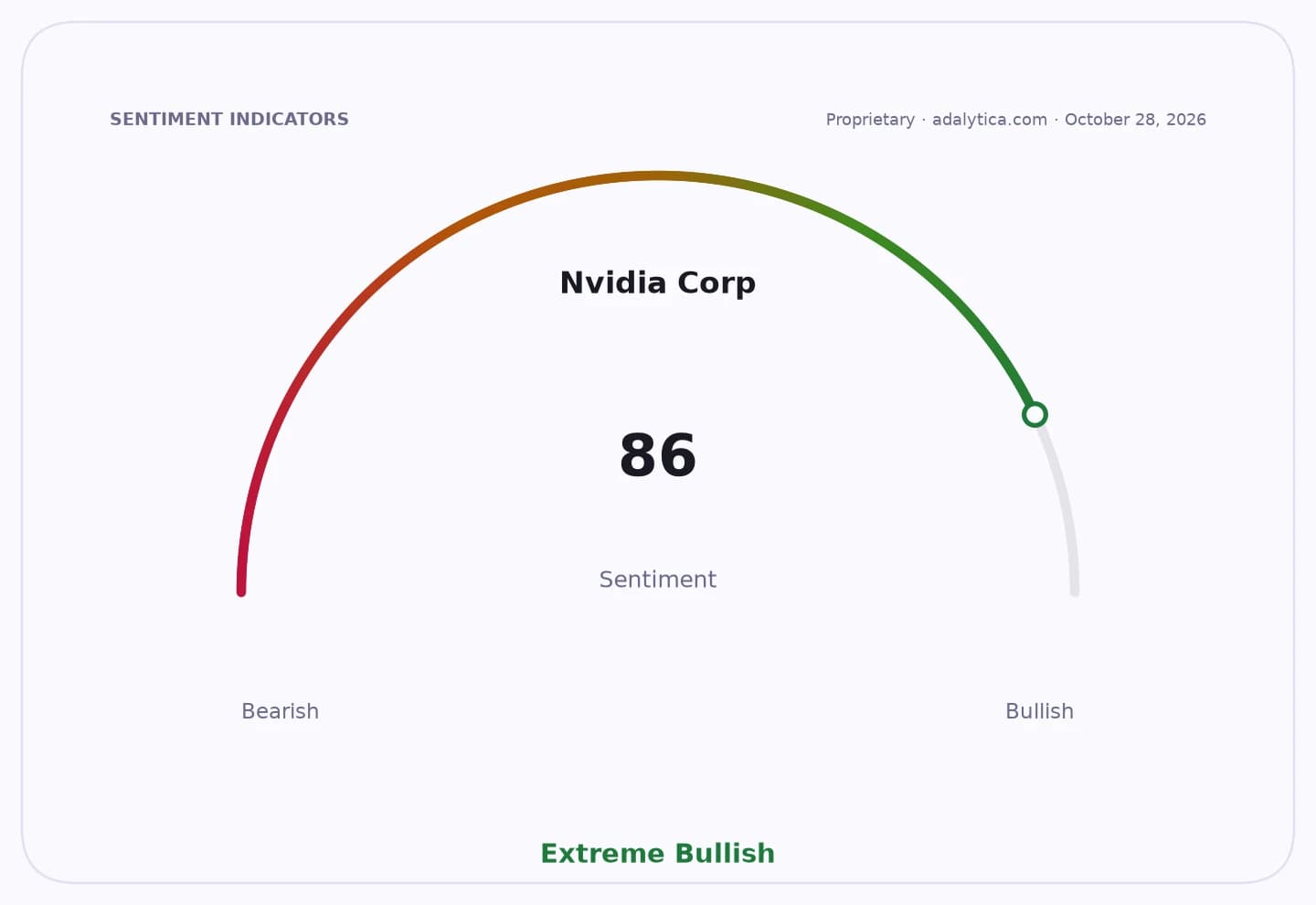
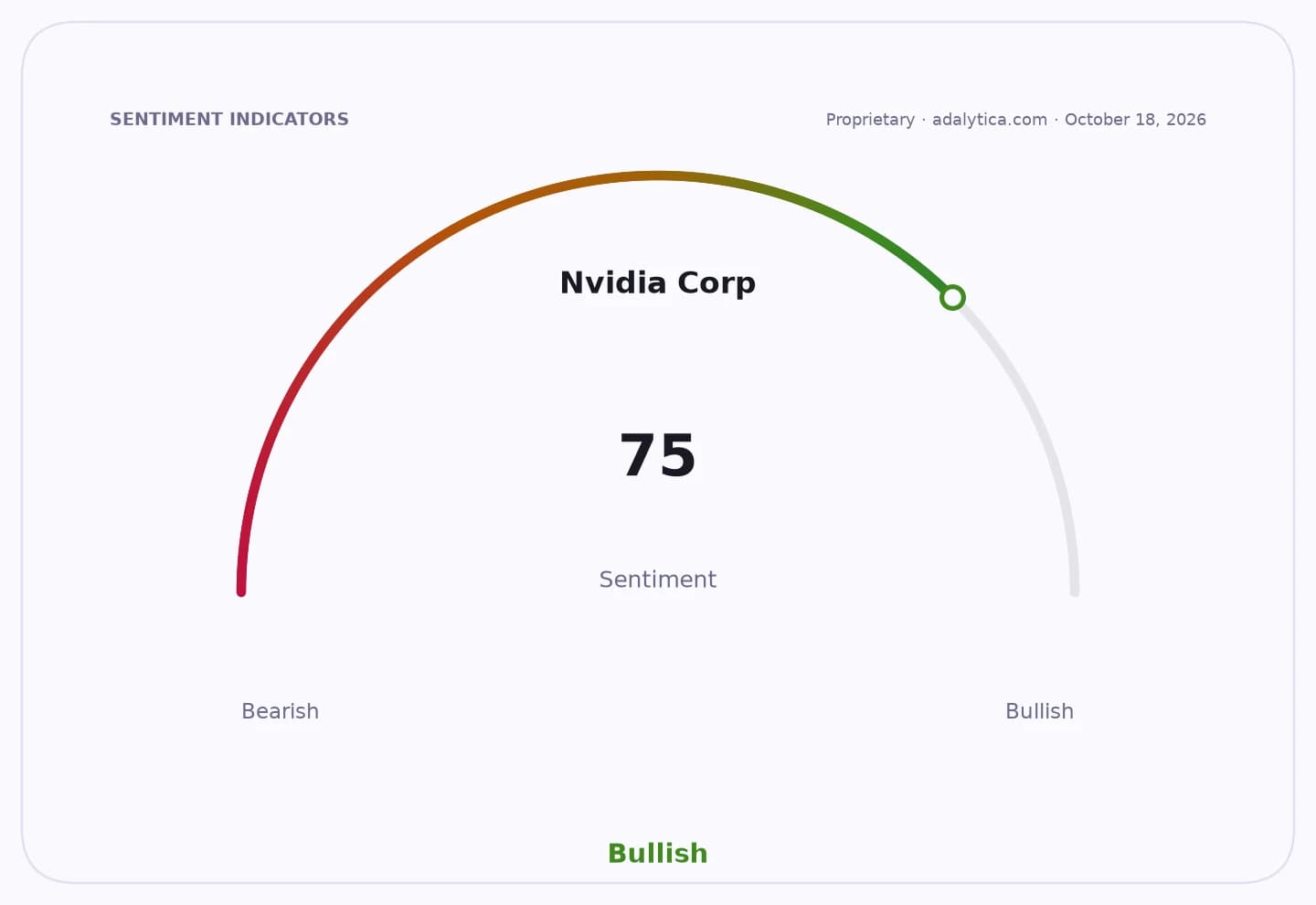
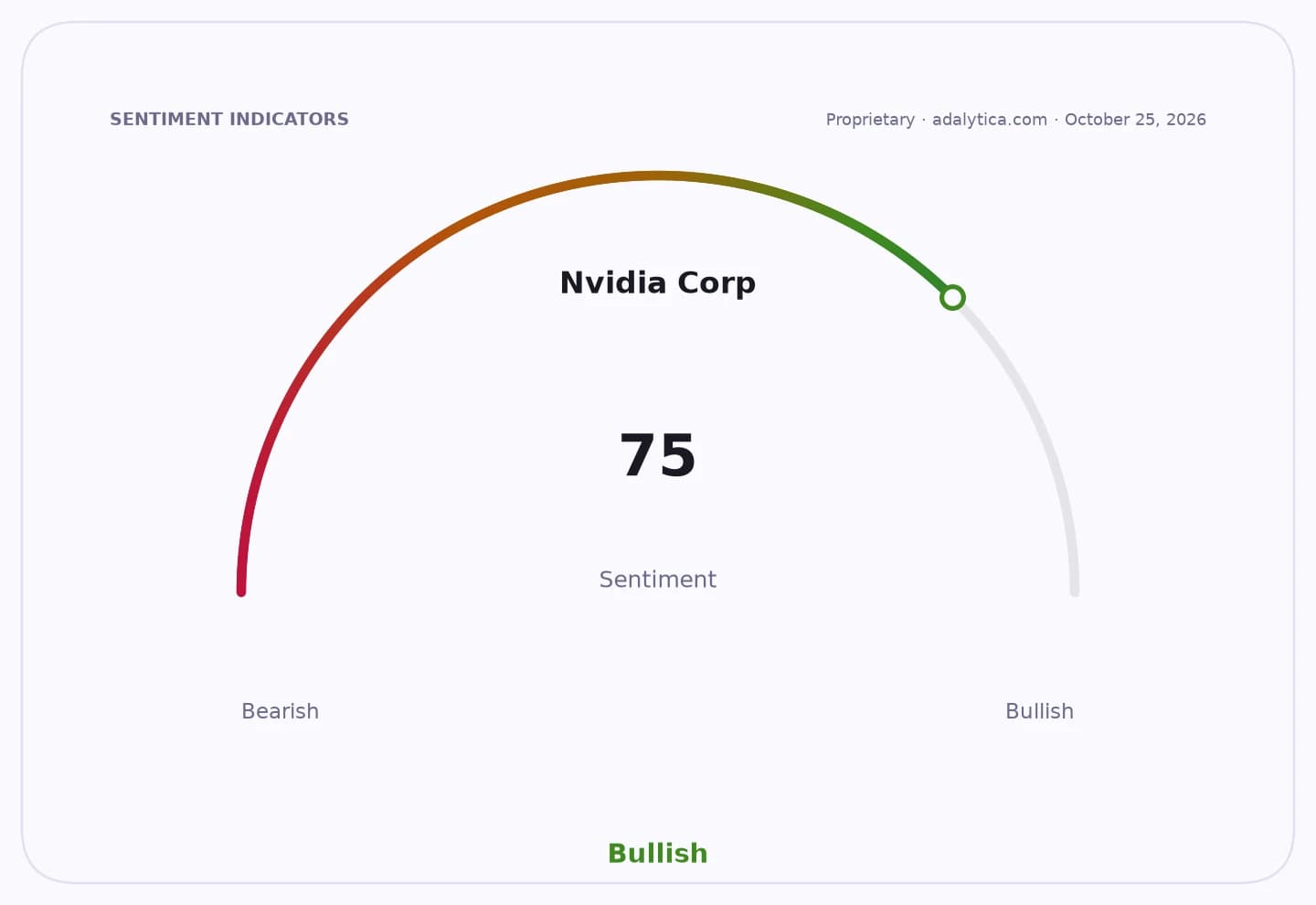
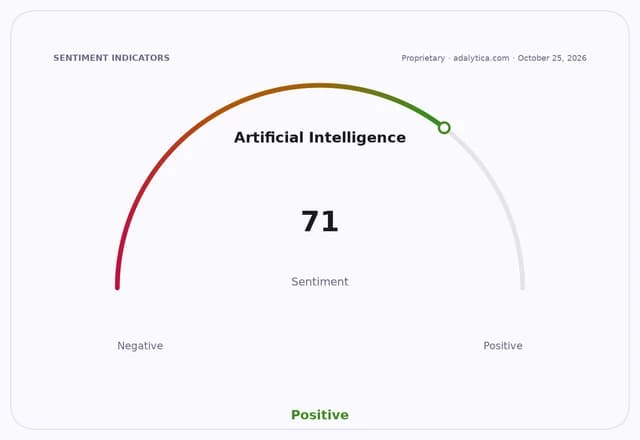
The market implication is straightforward. Nvidia remains the clearest toll road on AI infrastructure, and autonomous driving gives it another long-duration growth vector just as investors are trying to separate one-off AI enthusiasm from durable monetization. The stock has recently pulled back from its highs and technical indicators show the shares below the 50-day moving average, with RSI readings pointing to a softer near-term trend. But that kind of consolidation can be exactly when the long-term thesis becomes more interesting, not less. Adalytica’s sentiment gauge still shows strong appetite for Nvidia, with a “Greed” reading of 75.
That backdrop also matters for suppliers and partners. Taiwan Semiconductor Manufacturing Co. remains a key beneficiary as Nvidia’s compute ambitions keep demand intense for leading-edge chips. Mercedes and other automakers gain access to a more advanced autonomy stack. The losers are legacy auto-software vendors and slower chip competitors that do not control the AI compute layer.
The real takeaway is that Nvidia is not just selling processors anymore; it is selling the operating system for machine intelligence as it leaves the server room and enters the street. If the Berlin showcase is any indication, the next leg of the AI capex cycle may be less about chatbots and more about cars, robots and industrial autonomy — and that is where the asymmetry still looks most attractive.
| Entity | Gains | Losses |
|---|---|---|
| Nvidia | ▲New autonomy revenue stream | ▼Short-term doubters |
| Mercedes | ▲Advanced AI driving stack | ▼Legacy ADAS rivals |
| TSMC | ▲More leading-edge chip demand | ▼Lagging foundries |
| Legacy auto-software vendors | ▲— | ▼Share in autonomy stack |