Germany is preparing a cooperation with Nvidia to accelerate the use of artificial intelligence in factories, a move that underscores Berlin’s push to revive industrial competitiveness by bringing U.S. AI hardware and software into the country’s manufacturing base.
Germany Nvidia AI factory cooperation

The project, which could be announced at an investment summit in Berlin, would focus on what Nvidia calls “physical AI” — systems that interact with the real world through robots, autonomous machines and automated production lines. Government circles confirmed a Handelsblatt report that German companies including Siemens may also take part, while Berlin is prepared to commit a three-digit million-euro sum.
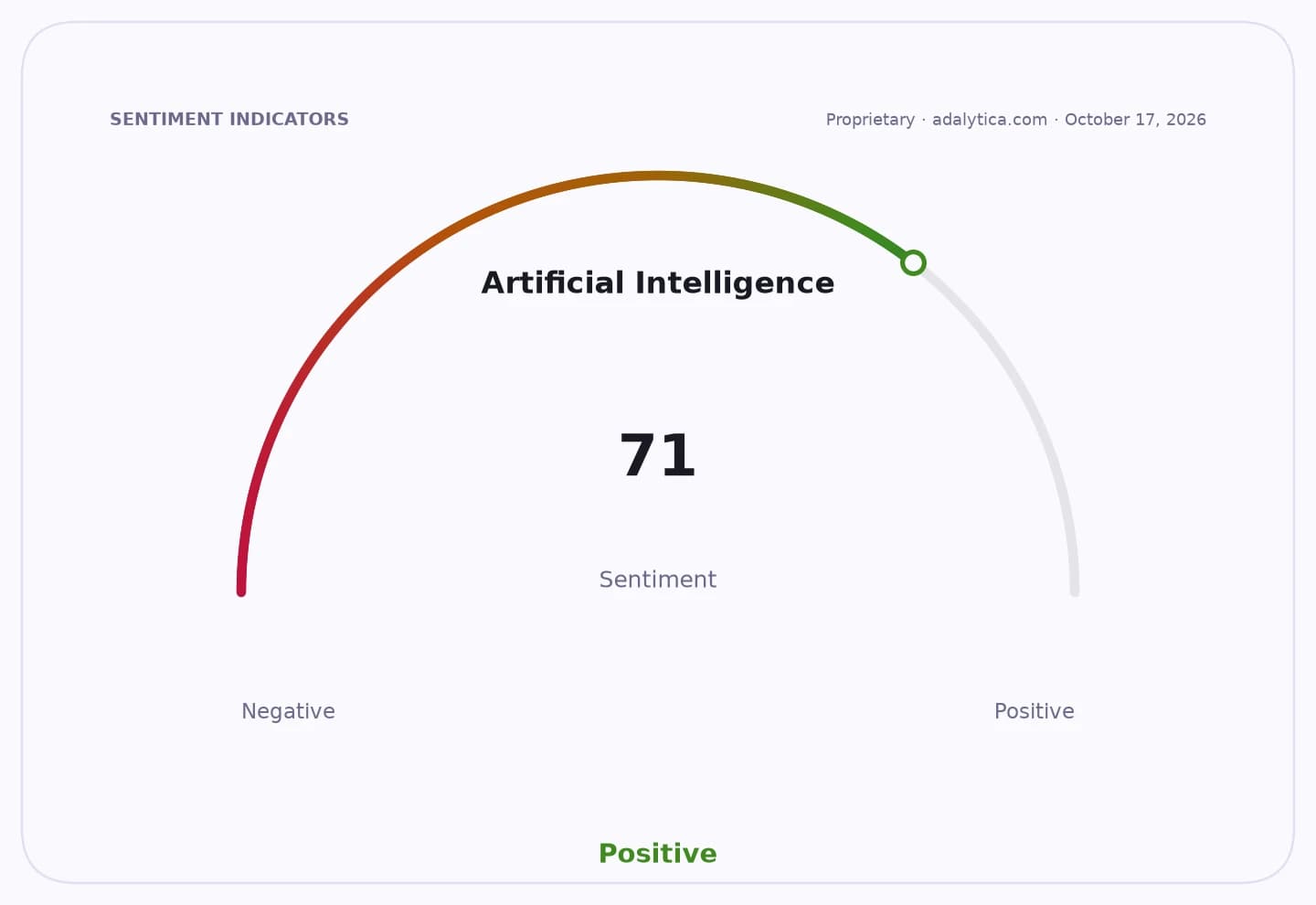
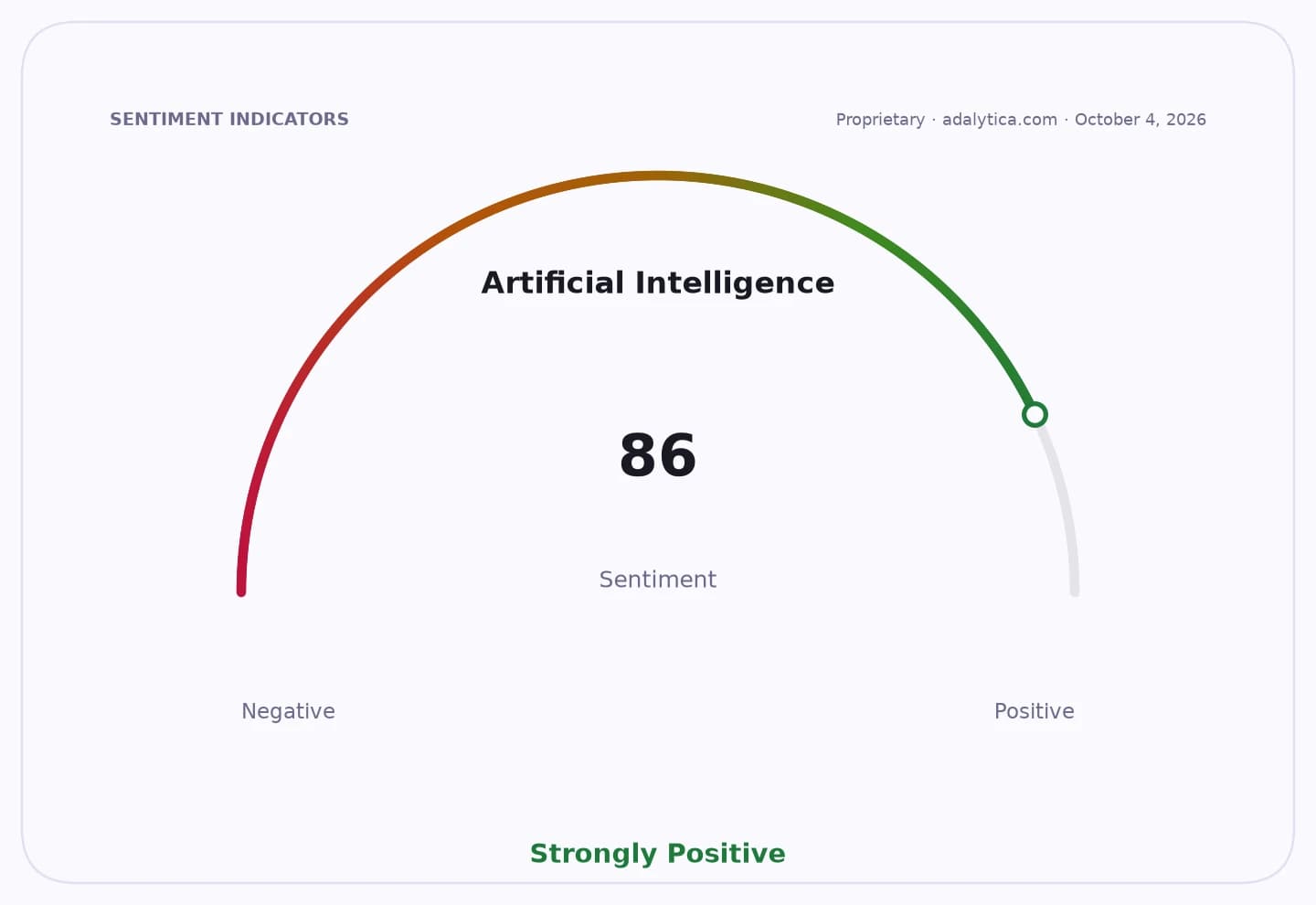
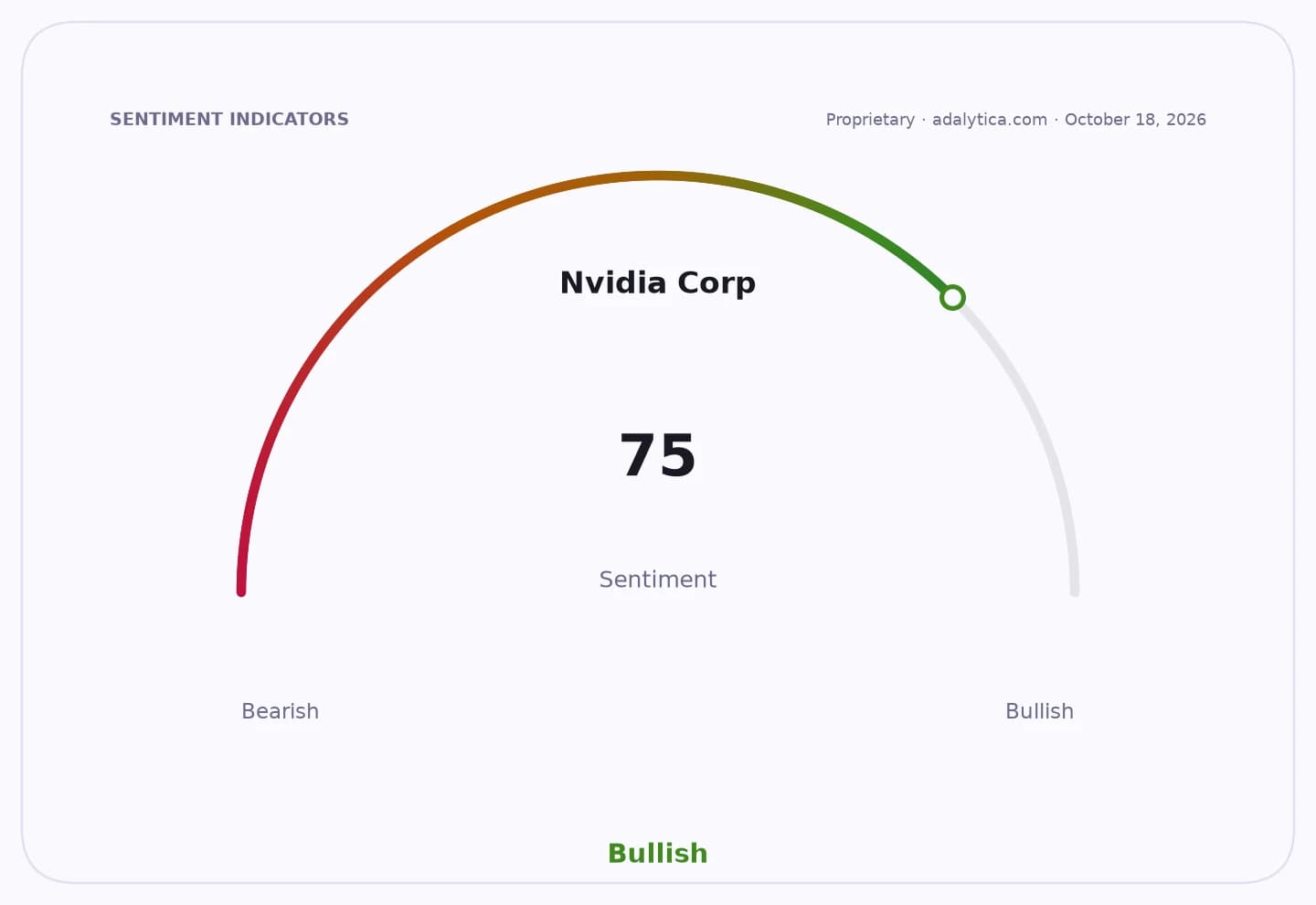
Sentiment IndicatorsⓘProprietary · adalytica.com · October 19, 2026
This is a snapshot — live sentiment, awareness and momentum for 130+ markets update continuously in the dashboard.Open AlphaPulse
Economically, the plan matters because Germany is trying to convert AI from a general-purpose technology into a direct industrial productivity tool. That is a more urgent task for Europe’s largest manufacturing economy than consumer-facing AI applications. With industrial output under pressure in recent years and capital spending weak by historical standards, any initiative that lowers production costs, improves automation and supports higher-value manufacturing carries weight for growth, competitiveness and employment.
The timing also matters. Chancellor Friedrich Merz is due to host investors in Berlin, and the presence of Nvidia chief executive Jensen Huang would turn the summit into a signal that Germany wants to position itself as a destination for advanced industrial AI investment. For Berlin, the deal is as much about attracting private capital as it is about public spending. For Nvidia, it would deepen its reach beyond data centers into manufacturing, robotics and industrial software, where it is seeking the next leg of growth.
Investors will read the move in two ways. The bull case is that Germany could become a showcase market for Nvidia’s industrial AI stack, creating demand not just for chips but for full systems tied to automation, digital twins and robotics. That would also support Siemens and other European industrial suppliers that can package Nvidia tools into factory applications. The bear case is that government-backed projects can be slow to commercialize, and the economics of factory AI will depend on whether companies can prove a return on investment quickly enough to justify the capital outlay.
For Nvidia, the announcement would reinforce a strategy already visible in its filings: broadening its business from AI training and inference in data centers into enterprise and sovereign markets where governments are willing to subsidize deployment. That diversification matters as export controls, supply constraints and cyclical swings in cloud spending remain structural risks. It also comes as the stock has been volatile, with the shares recently trading at $214.13 after a pullback from a peak above $235 in May, while technical indicators such as the 50-day moving average and RSI readings point to cooling momentum rather than a fresh breakout.
The broader narrative is that Europe, and Germany in particular, are trying to stop being a passive buyer of U.S. technology and instead build industrial policy around it. If the cooperation is confirmed, it would mark another step in the race to embed AI in physical production rather than only in software services — a shift that could reshape factory economics, capital spending and the balance of power in industrial automation over the next several years.
| Entity | Gains | Losses |
|---|---|---|
| Nvidia | ▲Industrial demand; new revenue channel | ▼Reliance on U.S./EU policy support |
| Germany government | ▲Investment signal; productivity push | ▼Fiscal risk; slow ROI if adoption lags |
| Siemens and industrial peers | ▲AI integration opportunities | ▼Upfront integration costs |
| Traditional low-tech automation vendors | ▲— | ▼Competitive pressure from AI-enabled systems |