AI is moving from a flashy productivity tool to a real operating system for small businesses and entrepreneurs, and that shift is what investors should pay attention to.
AI Adoption Benefits Microsoft Nvidia Salesforce
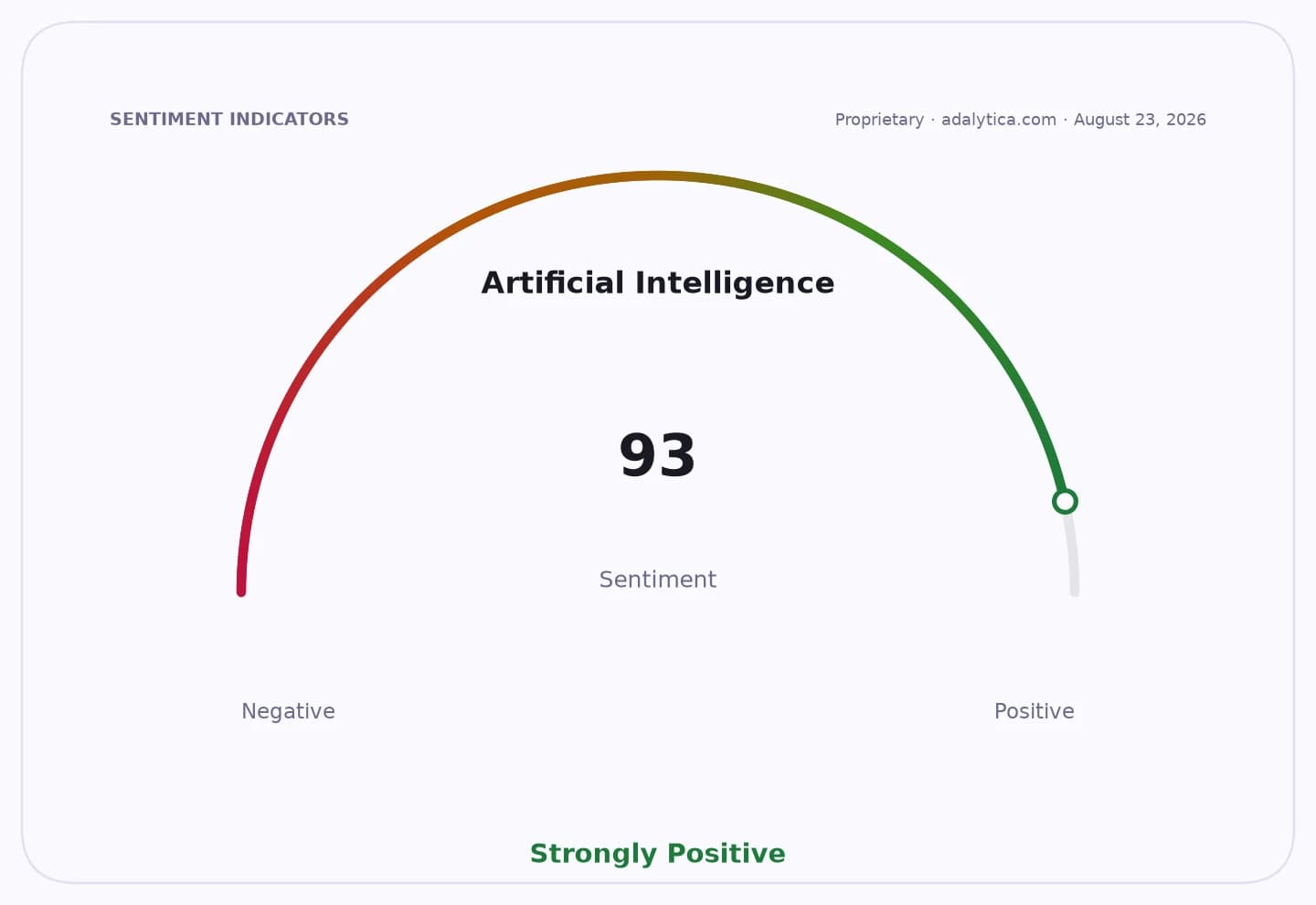
The most important new development is not just that companies are raising money, launching training platforms or rolling out more AI features. It is that AI is becoming practical enough to help businesses do more with less, while the biggest platform vendors keep spending heavily to build the infrastructure underneath it. That combination points to a long runway for adoption, earnings growth and capital spending across the AI stack.
Three strategies stand out. The first is using AI to automate repetitive work so founders can focus on sales, product and customer relationships. The second is using AI to improve judgment, whether that means cleaning up messy enterprise context, spotting patterns faster or making customer interactions more consistent. The third is using AI education and agent tools to help nontechnical teams actually put the software to work. Anthropic’s free Claude Academy fits that last theme, while Prevalent AI’s new funding round shows there is still investor appetite for tools that make AI more reliable inside businesses.
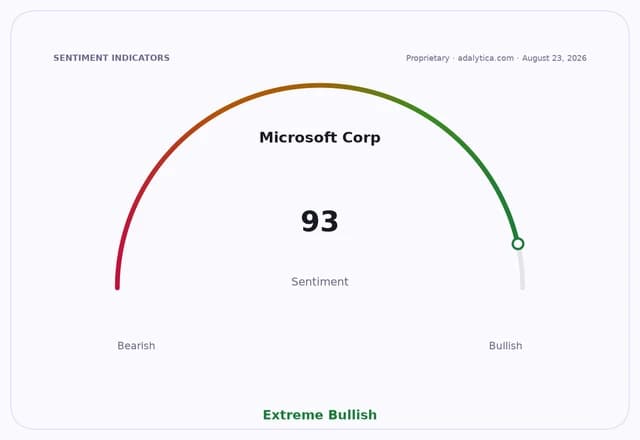
That matters economically because productivity gains are one of the few ways small firms can scale without immediately adding headcount. If AI can reduce support costs, shorten workflows or help a solo founder operate like a bigger team, it raises profit margins and frees up cash for growth. In a slower-growth world, that is powerful. It also helps explain why companies such as Microsoft continue to pour money into AI infrastructure to support Copilot usage growth, even as those investments pressure near-term margins.
For investors, the story is bigger than any one app or funding round. The beneficiaries are the companies that sell the picks and shovels: Nvidia, which supplies the chips that make AI run; Microsoft, which is embedding AI into software customers already use; and Salesforce, which is trying to make AI useful inside customer workflows. Their shares have been volatile, but the broader trend is intact. Nvidia’s stock has stayed well above its 200-day moving average even after sharp swings, while Microsoft and Salesforce have both rebounded strongly from earlier weakness, reflecting confidence that AI spending is translating into real business demand.
There are still risks. AI adoption can disappoint if tools are hard to trust, hard to integrate or hard to justify on cost. That is why “responsible AI” and training are becoming part of the investment story, not a side note. If entrepreneurs do not trust the output, they will not scale with it. If employees do not know how to use it, the software will not deliver the productivity investors are hoping for.
Still, the long-term case is straightforward. AI is not replacing entrepreneurship; it is giving smaller companies leverage they never had before. For investors with a multiyear horizon, that makes the AI ecosystem worth watching closely, especially the infrastructure and software names best positioned to benefit as more businesses learn to scale smarter.
| Entity | Gains | Losses |
|---|---|---|
| Entrepreneurs | ▲Lower costs, faster scaling | ▼Manual busywork |
| Microsoft, Nvidia, Salesforce | ▲More AI demand and usage | ▼Customers delaying adoption |
| AI education and trust platforms | ▲Wider enterprise uptake | ▼Confusion and mistrust |
| Traditional software workflows | ▲Less relevant over time | ▼Slow, labor-heavy processes |